
Article Outline
- H1: Cut the Cord: Best IPTV Subscription for Unlimited Streaming 2026
- H2: What Is IPTV and Why It’s Taking Over 2026
- H3: How IPTV Works Compared to Traditional Cable
- H3: The Rise of IPTV Subscription for Unlimited Streaming
- H2: Benefits of Choosing an IPTV Subscription for Unlimited Viewing
- H3: Unlimited Content Without Boundaries
- H3: Cost Savings Compared to Cable and Satellite
- H2: Key Features to Look for in the Best IPTV Subscription
- H3: Channel Variety and Global Access
- H3: Streaming Quality and Reliability
- H3: Device Compatibility and Flexibility
- H2: Top IPTV Subscription Services for 2026
- H3: Premium IPTV Providers Worth Considering
- H3: Budget-Friendly IPTV Options
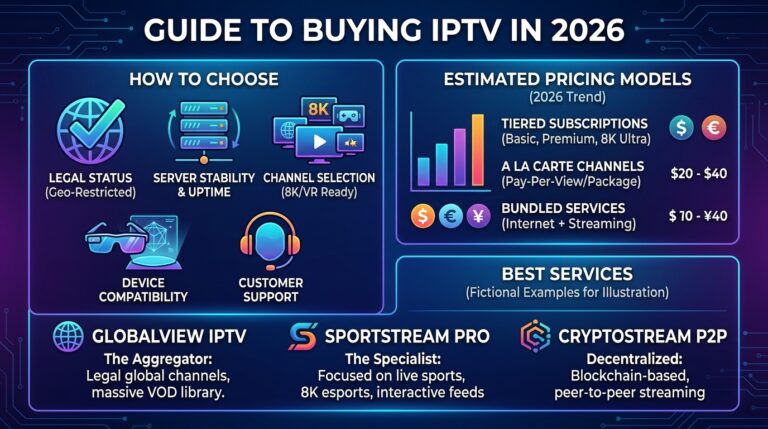
- H2: IPTV Subscription Pricing: What to Expect
- H3: Monthly vs Yearly Plans
- H3: Hidden Costs and Free Trials
- H2: Legal Considerations and Safety Tips
- H3: Is IPTV Legal in Your Country?
- H3: How to Stay Safe While Streaming
- H2: How to Set Up Your IPTV Subscription
- H3: Step-by-Step Installation Guide
- H3: Best Apps for IPTV Streaming
- H2: IPTV vs Netflix, Hulu, and Other Streaming Services
- H3: Key Differences in Content and Pricing
- H2: Future of IPTV Subscription for Unlimited Entertainment
- H2: Conclusion
- H2: FAQs
- H2: What Is IPTV and Why It’s Taking Over 2026
Cut the Cord: Best IPTV Subscription for Unlimited Streaming 2026
What Is IPTV and Why It’s Taking Over 2026
If you’ve ever felt frustrated flipping through overpriced cable channels only to find nothing worth watching, you’re not alone. That frustration is exactly why IPTV subscription for unlimited streaming has exploded in popularity heading into 2026. IPTV, short for Internet Protocol Television, delivers TV content through the internet instead of traditional satellite or cable formats. It’s like upgrading from a dusty old DVD player to a sleek, on-demand streaming universe that lives in your pocket.
What makes IPTV so appealing isn’t just convenience—it’s control. You’re no longer stuck with rigid programming schedules or forced bundles. Instead, you get access to thousands of channels, movies, and series from across the globe, all available instantly. Think of it as building your own personalized TV network where you decide what’s worth watching.
Another reason IPTV is dominating the streaming landscape is the shift in viewer behavior. People want flexibility. They want to watch live sports on their phone during a commute, binge a series on their smart TV at home, and maybe catch international news on a tablet before bed. IPTV fits seamlessly into that lifestyle. It’s not just a service—it’s a smarter way to consume entertainment.
Industry trends also back this up. Reports suggest that the global IPTV market is projected to surpass $115 billion by 2026, driven by increasing internet penetration and demand for on-demand content. That’s not just growth—it’s a full-blown transformation of how we watch TV.
So if cable feels like a relic of the past, that’s because it is. IPTV isn’t just the future—it’s already here, and it’s changing everything.
How IPTV Works Compared to Traditional Cable
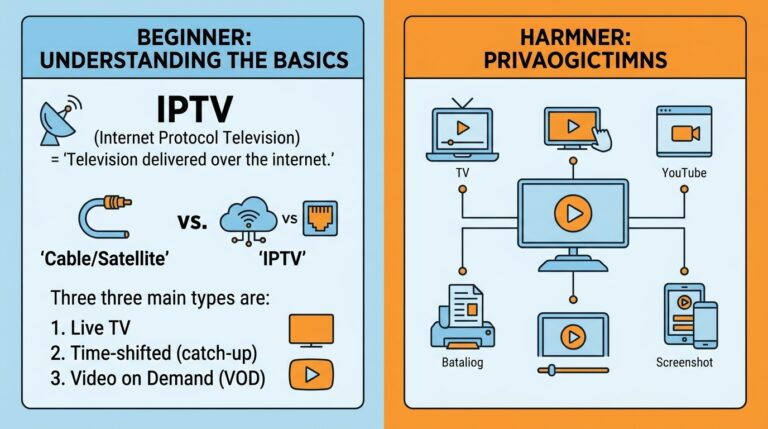
At its core, IPTV operates using internet protocols to deliver content directly to your device. Traditional cable, on the other hand, relies on satellite signals or physical cables to transmit data. The difference might sound technical, but the impact is massive when it comes to your viewing experience.
With cable, you’re essentially tuning into a continuous broadcast stream. It’s like listening to a radio station—you get whatever is playing at that moment. IPTV flips that model entirely. Instead of passively receiving content, you actively request it. When you click on a show or channel, the system streams it to you in real time, much like YouTube or Netflix.
This shift allows for features that cable simply can’t match. For example, IPTV offers Video on Demand (VOD), catch-up TV, and even time-shifted media. Missed a live game? No problem—you can rewind and watch it as if it were live. Want to binge an entire season overnight? Go for it.
Another key difference lies in bandwidth efficiency. IPTV uses adaptive streaming technology, which adjusts video quality based on your internet speed. That means fewer interruptions and smoother playback, even during peak hours. Cable doesn’t have that flexibility—it’s either working or it’s not.
In simple terms, cable is like a one-way street, while IPTV is a fully interactive highway. And once you experience that level of freedom, it’s hard to go back.
The Rise of IPTV Subscription for Unlimited Streaming
The concept of “unlimited streaming” isn’t just a buzzword—it’s the backbone of why IPTV subscriptions are thriving. In a world where people crave instant access, the idea of having thousands of channels and on-demand content at your fingertips feels almost irresistible.
What really pushed IPTV into the spotlight was the frustration with fragmented streaming platforms. Think about it—Netflix has some shows, Hulu has others, Disney+ locks its own content, and suddenly you’re juggling five subscriptions just to keep up. IPTV cuts through that chaos by offering everything in one place.
Another factor driving its rise is affordability. A typical cable bill in the U.S. can exceed $100 per month, while many IPTV subscriptions cost a fraction of that, often between $10 and $20 monthly. That’s a huge difference, especially for families or binge-watchers who want more value for their money.
The global accessibility of IPTV also plays a huge role. Whether you’re interested in European sports, Asian dramas, or local news from another country, IPTV opens doors that traditional services simply can’t. It’s like having a passport to global entertainment without leaving your couch.
Social trends have also fueled its growth. Younger audiences, especially Gen Z and millennials, prefer streaming over traditional TV by a wide margin. They value flexibility, customization, and mobile access—all areas where IPTV excels.
Put it all together, and it’s clear why IPTV subscriptions for unlimited streaming aren’t just growing—they’re becoming the new standard.
Benefits of Choosing an IPTV Subscription for Unlimited Viewing
Switching to an IPTV subscription for unlimited viewing isn’t just about cutting costs—it’s about upgrading your entire entertainment experience. Imagine walking into a library where every book, movie, and TV show ever made is available instantly. That’s the kind of freedom IPTV brings to the table.
One of the biggest advantages is the sheer volume of content. Traditional TV limits you to a fixed set of channels, but IPTV opens up thousands—sometimes even tens of thousands—of options. From live sports and international news to niche documentaries and indie films, there’s something for everyone. It’s like having the world’s largest streaming catalog right in your living room.
Another benefit is flexibility. IPTV doesn’t tie you down to a single device or location. Whether you’re using a smart TV, smartphone, tablet, or laptop, your content travels with you. That means you can start watching a movie at home and finish it on your phone during a commute without missing a beat.
Then there’s personalization. IPTV platforms often include advanced features like recommendations, favorites lists, and customizable playlists. Over time, the system learns your preferences and suggests content you’re more likely to enjoy. It’s almost like having a personal entertainment assistant.
Reliability has also improved significantly. Modern IPTV services use high-performance servers and content delivery networks (CDNs) to ensure smooth streaming with minimal buffering. Combined with high-speed internet, this results in a viewing experience that rivals—or even surpasses—traditional cable.
And let’s not ignore the convenience factor. No more dealing with bulky cable boxes, long installation processes, or hidden fees. IPTV is typically plug-and-play, making it accessible even for those who aren’t tech-savvy.
In a nutshell, IPTV doesn’t just replace cable—it redefines what TV can be.
Benefits of Choosing an IPTV Subscription for Unlimited Viewing (Continued)
Unlimited Content Without Boundaries
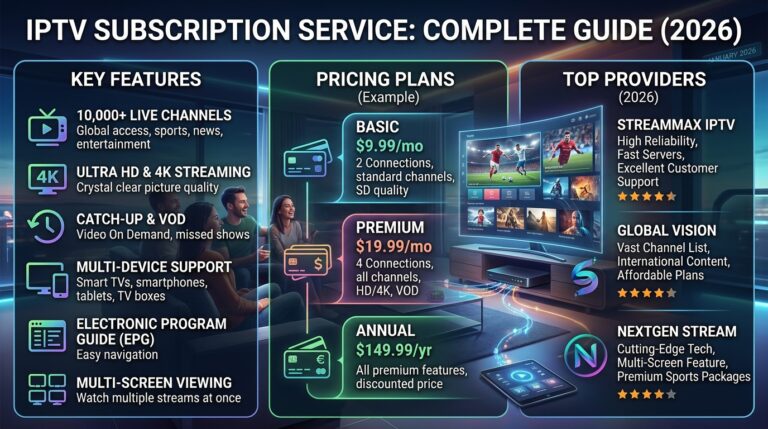
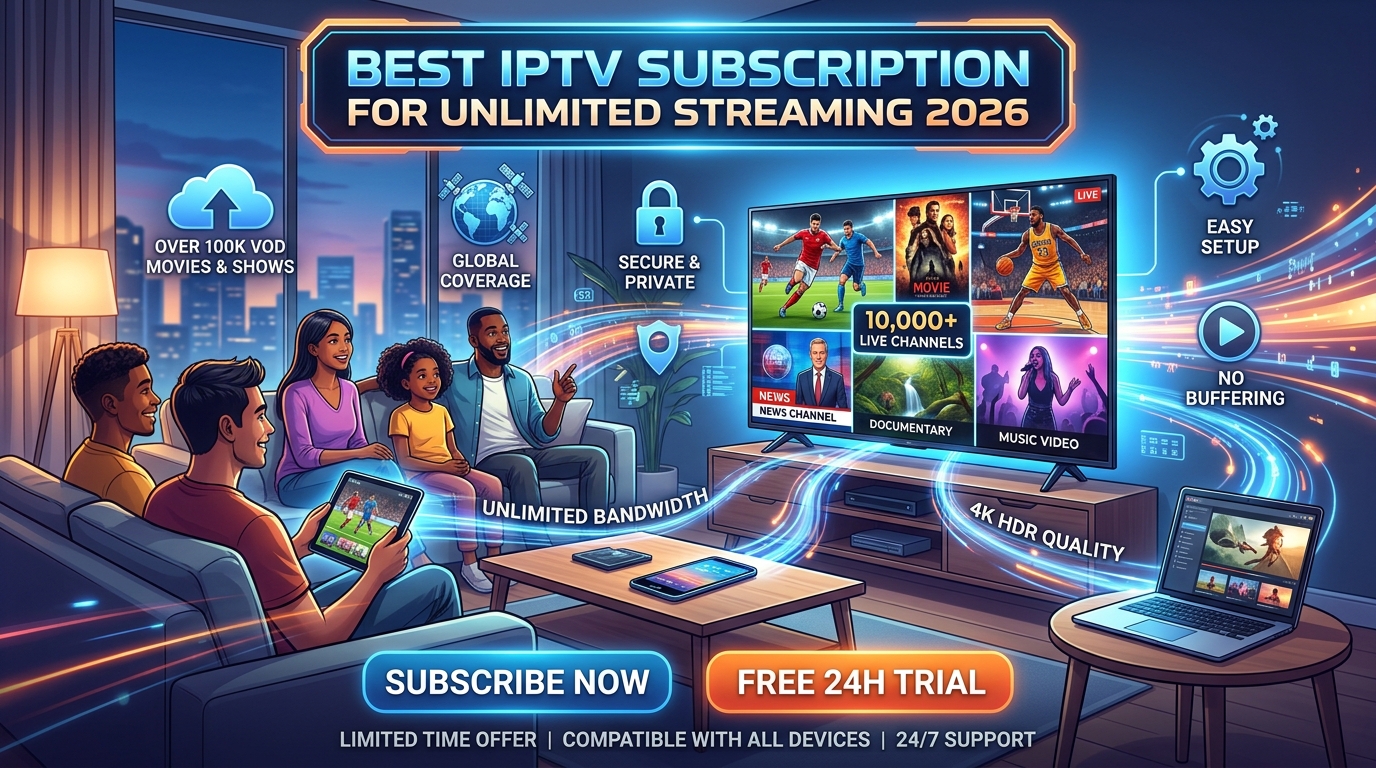
When people talk about IPTV subscription for unlimited streaming, the word “unlimited” isn’t just marketing fluff—it genuinely reflects the scale of content you unlock. Picture this: instead of flipping through 200 cable channels, you suddenly have access to 10,000+ live channels and an enormous on-demand library that spans continents, languages, and genres. It’s like stepping into a global cinema that never closes.
One of the most compelling aspects here is international access. With traditional TV, you’re largely confined to regional programming. IPTV breaks that barrier completely. Want to watch Premier League matches from the UK, Bollywood blockbusters from India, or Korean dramas the same day they air? It’s all there. This global reach makes IPTV particularly appealing for expats or multilingual households who want a connection to content from back home.
Another dimension of “unlimited” is time freedom. You’re no longer chained to broadcast schedules. Early morning, late night, or somewhere in between—it doesn’t matter. IPTV gives you control over when and how you watch. Missed a live event? Catch-up TV and replay features have you covered. That level of flexibility feels less like watching TV and more like commanding it.
Even niche content gets its moment here. Whether you’re into obscure documentaries, underground sports leagues, or classic films from decades ago, IPTV platforms often include categories you’d never find on mainstream services. It’s almost like digging through a treasure chest where every click reveals something new and unexpected.
The real beauty lies in the absence of restrictions. No contracts, no channel limitations, no geographic locks in many cases. Just pure, uninterrupted access to content that adapts to your interests instead of forcing you into predefined boxes.
Cost Savings Compared to Cable and Satellite
Let’s talk money—because this is where IPTV really turns heads. Traditional cable and satellite services have a reputation for bloated bills, hidden fees, and long-term contracts that feel impossible to escape. In contrast, an IPTV subscription for unlimited streaming often feels like a breath of fresh financial air.
To put things into perspective, the average cable bill in many regions hovers between $80 and $120 per month, and that’s before adding premium channels or sports packages. IPTV subscriptions, on the other hand, typically range from $10 to $25 monthly. That’s not just cheaper—it’s dramatically more efficient in terms of value per dollar.
Here’s a quick comparison to make it clearer:
| Feature | Cable TV | IPTV Subscription |
|---|---|---|
| Monthly Cost | $80–$120 | $10–$25 |
| Channel Count | 100–300 | 5,000–10,000+ |
| Contract Required | Yes | Usually No |
| On-Demand Content | Limited | Extensive |
| Multi-Device Access | Limited | Extensive |
What’s even more interesting is how IPTV eliminates many of the “extra” costs that cable sneaks in. There’s no need for installation fees, equipment rentals, or service charges. Most IPTV services work with apps you can install instantly, meaning you’re up and running in minutes.
Another financial advantage is scalability. You can start with a basic plan and upgrade only if you need more features. Some providers even offer family or multi-screen packages that allow multiple users under one subscription—something that would cost significantly more with traditional providers.
Over time, the savings really add up. Imagine cutting your entertainment bill by 70% annually while actually getting more content. That’s not just a good deal—it’s a smarter way to spend.
Key Features to Look for in the Best IPTV Subscription
Channel Variety and Global Access
Not all IPTV services are created equal, and one of the biggest differentiators is channel variety. A high-quality IPTV subscription for unlimited streaming should feel like opening a window to the world, not just a slightly upgraded version of cable.
The best providers offer a mix of local, national, and international channels. This includes sports networks, news outlets, entertainment channels, and even region-specific programming. The broader the selection, the more versatile your viewing experience becomes. You’re not just watching TV—you’re exploring cultures, perspectives, and stories from across the globe.
What really sets top-tier IPTV services apart is how they organize this content. Instead of overwhelming you with endless lists, they categorize channels intelligently, making it easier to find exactly what you’re looking for. Think of it like a well-organized library rather than a chaotic pile of books.
Language diversity is another crucial factor. Whether you prefer English, Spanish, Arabic, French, or any other language, a robust IPTV service should cater to your preferences. This inclusivity makes IPTV appealing to a global audience and ensures everyone in a household finds something they enjoy.
Streaming Quality and Reliability
Content is only as good as the quality in which you can watch it. That’s why streaming performance is a non-negotiable feature when choosing an IPTV service. The last thing anyone wants is buffering during a crucial moment in a live game or a dramatic scene in a movie.
Top IPTV providers offer HD, Full HD, and even 4K streaming, depending on your internet speed. They use advanced technologies like adaptive bitrate streaming to ensure smooth playback, adjusting quality dynamically to prevent interruptions. It’s a bit like having a smart system that prioritizes your viewing experience in real time.
Reliability also depends on server stability. Premium services invest in multiple servers and backup systems to minimize downtime. This is especially important during high-demand events like sports finals or major broadcasts when traffic spikes dramatically.
User reviews and uptime statistics can be incredibly helpful here. A service with consistent positive feedback regarding stability is usually a safer bet than one with flashy promises but poor performance.
Device Compatibility and Flexibility
Imagine subscribing to an IPTV service only to find out it doesn’t work on your favorite device. Frustrating, right? That’s why compatibility is a key consideration.
The best IPTV services support a wide range of devices, including:
- Smart TVs (Samsung, LG)
- Streaming devices (Firestick, Roku, Apple TV)
- Smartphones (iOS and Android)
- Tablets and laptops
- Gaming consoles in some cases
This flexibility allows you to switch seamlessly between devices. Start watching on your TV, continue on your phone, and finish on your laptop—it’s all part of the same experience.
Another important aspect is multi-screen functionality. Many IPTV subscriptions allow multiple users to stream simultaneously, making them ideal for families or shared households. Everyone gets their own viewing space without conflicts.
Ease of use also matters. A clean, intuitive interface can make a huge difference in how enjoyable the service feels. After all, the goal is to relax and enjoy content, not struggle with complicated menus.
Top IPTV Subscription Services for 2026
Premium IPTV Providers Worth Considering
When it comes to premium IPTV services, quality often justifies the price. These providers focus on delivering a seamless, high-end experience with extensive channel libraries, reliable servers, and excellent customer support.
Premium services typically offer features like anti-freeze technology, electronic program guides (EPG), and 24/7 support. These might sound like small details, but they significantly enhance the overall experience. It’s like upgrading from economy to business class—you notice the difference immediately.
Another advantage is consistency. Premium providers invest heavily in infrastructure, ensuring stable streams even during peak times. This reliability is crucial for live events, where even a few seconds of buffering can ruin the experience.
Budget-Friendly IPTV Options
Not everyone wants to spend a lot, and that’s perfectly fine. Budget IPTV services have improved significantly, offering impressive value for a fraction of the cost.
While they may not have all the bells and whistles of premium providers, many still deliver solid performance and a wide range of channels. The key is to research and choose a provider with good reviews and a track record of reliability.
Budget options are great for casual viewers or those who want to test IPTV before committing to a higher-tier service. Think of them as an entry point into the world of unlimited streaming.
IPTV Subscription Pricing: What to Expect
Monthly vs Yearly Plans
When diving into the world of an IPTV subscription for unlimited streaming, one of the first decisions you’ll face is choosing between monthly and yearly plans. At first glance, monthly subscriptions seem like the safer bet—and in many ways, they are. You pay a smaller upfront cost, you’re not locked into a long-term commitment, and you can switch providers easily if the service doesn’t meet your expectations. It’s a bit like renting an apartment month-to-month instead of signing a long lease—you get flexibility, but often at a slightly higher cost over time.
Yearly plans, on the other hand, are where the real savings kick in. Many IPTV providers offer significant discounts—sometimes up to 40–60% cheaper compared to paying monthly. For example, a service that costs $15 per month might drop to the equivalent of $8–$10 per month when billed annually. Over the course of a year, that adds up to substantial savings, especially for households that rely heavily on streaming.
But here’s the catch: committing to a yearly plan requires trust. Not all IPTV providers maintain consistent quality, and some may experience downtime or even shut down unexpectedly. That’s why it’s often wise to start with a monthly plan, test the service thoroughly, and then upgrade if you’re satisfied. Think of it as test-driving a car before making the full purchase.
Another factor to consider is feature access. Some providers reserve premium features—like multi-screen viewing, 4K channels, or advanced EPG support—for higher-tier or longer-term plans. So while yearly subscriptions save money, they may also unlock a more complete experience.
Ultimately, the choice comes down to your viewing habits and risk tolerance. If you’re someone who watches TV daily and values consistency, a yearly plan might be the smarter investment. If you prefer flexibility and experimentation, monthly is the way to go.
Hidden Costs and Free Trials
One of the biggest myths about IPTV is that the subscription price is the only cost involved. While it’s true that IPTV subscription for unlimited access is generally affordable, there are a few hidden costs and considerations that can catch you off guard if you’re not careful.
First, let’s talk about internet requirements. IPTV relies entirely on your internet connection, so if your current plan is slow or unstable, you may need to upgrade. For HD streaming, a minimum of 10 Mbps is recommended, while 4K content may require 25 Mbps or more. That’s not a direct IPTV cost, but it’s definitely part of the equation.
Then there’s the matter of apps and devices. While many IPTV services are compatible with free apps, some premium apps or media players may charge a one-time fee. Devices like Firestick, Android boxes, or Apple TV also come with upfront costs if you don’t already own them.
Free trials are another area worth exploring—but with caution. Many reputable IPTV providers offer 24 to 48-hour trials, allowing you to test channel availability, streaming quality, and overall performance. This is incredibly valuable because it gives you a firsthand experience before committing any money.
However, not all trials are created equal. Some unreliable providers may offer trials that perform exceptionally well, only for the full service to fall short. That’s why it’s important to read user reviews and look for consistent feedback rather than relying solely on a short trial period.
Transparency is key here. The best IPTV services clearly outline their pricing, features, and limitations upfront. If something feels vague or too good to be true, it probably is.
Legal Considerations and Safety Tips
Is IPTV Legal in Your Country?
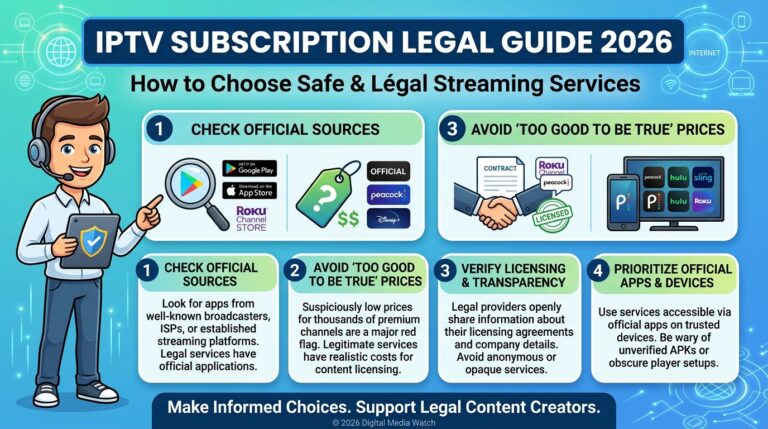
The legality of IPTV is one of the most misunderstood aspects of the entire industry. Simply put, IPTV as a technology is completely legal. It’s just a method of delivering television content over the internet. In fact, many well-known platforms like Netflix, Hulu, and Amazon Prime Video technically fall under the IPTV umbrella.
The issue arises with certain providers that offer access to copyrighted content without proper licensing. Subscribing to such services can put you in a legal gray area—or even outright violation—depending on your country’s laws. That’s why it’s crucial to distinguish between legitimate IPTV services and unauthorized ones.
In countries like the United States, United Kingdom, and much of Europe, authorities have cracked down on illegal IPTV operations in recent years. According to industry reports, millions of dollars in fines and seizures have been issued to both providers and resellers. While individual users are less frequently targeted, the risk still exists.
A good rule of thumb is to look for transparency. Legitimate providers usually have official websites, clear terms of service, and proper licensing information. If a service promises “every premium channel in the world” at an unbelievably low price with no explanation, it’s worth questioning its legitimacy.
Understanding the legal landscape doesn’t just protect you—it also ensures you’re supporting content creators and broadcasters who rely on fair distribution.
How to Stay Safe While Streaming
Even beyond legal concerns, safety should be a top priority when using any IPTV subscription for unlimited streaming. Since these services operate online, they can expose you to risks like data breaches, malware, or unreliable connections if you’re not cautious.
One of the simplest ways to enhance your safety is by using a VPN (Virtual Private Network). A VPN encrypts your internet connection and masks your IP address, providing an extra layer of privacy. It’s like drawing the curtains while you watch TV—no one can see what you’re doing.
Another important step is choosing reputable providers. Look for services with strong user reviews, responsive customer support, and a proven track record. Avoid deals that seem too good to be true, especially if they require unusual payment methods like cryptocurrency without any guarantees.
Regular updates are also essential. Whether it’s your streaming app, device firmware, or antivirus software, keeping everything up to date helps protect against vulnerabilities.
Finally, be mindful of the information you share. Stick to services that require minimal personal data and avoid entering sensitive details on unfamiliar platforms.
Streaming should be about relaxation and enjoyment—not stress or risk. Taking a few simple precautions can make all the difference.
How to Set Up Your IPTV Subscription
Step-by-Step Installation Guide
Setting up an IPTV subscription for unlimited viewing might sound technical, but in reality, it’s surprisingly straightforward. Even if you’re not particularly tech-savvy, you can have everything up and running in less than 15 minutes.
The process usually starts with choosing a provider and receiving your login credentials or an M3U playlist URL. This is essentially your key to accessing the content library. Once you have that, the next step is selecting a compatible app.
Here’s a simplified walkthrough:
- Install an IPTV player (such as IPTV Smarters or TiviMate) on your device.
- Open the app and choose the login method (M3U URL or Xtream Codes API).
- Enter your subscription details provided by your IPTV service.
- Allow the app to load channels and content—it may take a few moments.
- Start browsing and streaming.
What makes this process appealing is its flexibility. You’re not tied to a single device or setup. Whether you’re using a smart TV, smartphone, or streaming stick, the steps remain largely the same.
Troubleshooting is also manageable. If channels don’t load, it’s often due to a simple issue like incorrect login details or a temporary server hiccup. Most providers offer support or guides to help you resolve these quickly.
Best Apps for IPTV Streaming
The app you choose can significantly impact your overall experience. Think of it as the interface between you and your content—it needs to be smooth, intuitive, and reliable.
Some of the most popular IPTV apps include:
- IPTV Smarters Pro – Known for its user-friendly interface and wide compatibility.
- TiviMate – Offers advanced features like recording and customizable layouts.
- Perfect Player – A lightweight option with strong performance.
Each app has its own strengths, so the best choice depends on your preferences. If you want simplicity, go for IPTV Smarters. If you’re looking for customization and advanced features, TiviMate might be the better option.
IPTV vs Netflix, Hulu, and Other Streaming Services
Key Differences in Content and Pricing
At first glance, IPTV and platforms like Netflix or Hulu might seem similar—they all deliver content over the internet. But once you dig deeper, the differences become quite striking.
Netflix and Hulu focus heavily on curated, on-demand content. They invest billions in original productions and offer a polished, ad-free experience. IPTV, on the other hand, combines live TV with on-demand content, often providing a much broader selection.
Pricing is another major difference. Subscribing to multiple streaming platforms can quickly add up, often exceeding $50–$70 per month. In contrast, a single IPTV subscription can offer comparable—or even greater—variety at a fraction of the cost.
It’s not necessarily about choosing one over the other. Many users combine IPTV with traditional streaming services to create a hybrid setup that maximizes content and value.
Future of IPTV Subscription for Unlimited Entertainment
The future of IPTV subscription for unlimited streaming looks incredibly promising. With advancements in internet infrastructure, including the expansion of 5G networks, streaming quality and accessibility are set to improve dramatically.
Artificial intelligence is also playing a growing role. From personalized recommendations to automated content categorization, AI is making IPTV platforms smarter and more user-friendly. Imagine a service that not only knows what you like but predicts what you’ll want to watch next—that’s where things are heading.
Another trend is integration. IPTV services are increasingly blending with smart home ecosystems, allowing voice control and seamless connectivity across devices. It’s not hard to imagine a future where your entire entertainment system responds to a simple voice command.
Conclusion
Cutting the cord isn’t just a trend—it’s a shift toward smarter, more flexible entertainment. An IPTV subscription for unlimited streaming offers a compelling mix of affordability, variety, and convenience that traditional TV simply can’t match. Whether you’re a sports fan, a movie lover, or someone who enjoys exploring global content, IPTV opens doors that were once closed.
The key is choosing the right provider, understanding the features that matter most, and setting up your system in a way that fits your lifestyle. With the right approach, IPTV can transform how you experience entertainment.
FAQs
1. What is the best IPTV subscription for unlimited streaming in 2026?
The best IPTV subscription depends on your needs, including channel preferences, budget, and device compatibility. Premium providers offer better reliability, while budget options provide great value for casual viewers.
2. Do I need fast internet for IPTV?
Yes, a stable internet connection is essential. At least 10 Mbps is recommended for HD streaming, while 25 Mbps or higher is ideal for 4K content.
3. Can I use IPTV on multiple devices?
Most IPTV subscriptions support multiple devices and even simultaneous streaming, depending on the plan you choose.
4. Is IPTV better than Netflix or Hulu?
IPTV offers more variety and live TV options, while Netflix and Hulu focus on curated, on-demand content. Many users combine both for the best experience.
5. Are there free IPTV services available?
There are free options, but they often come with limited content, lower quality, and potential legal risks. Paid subscriptions are generally more reliable and secure.