
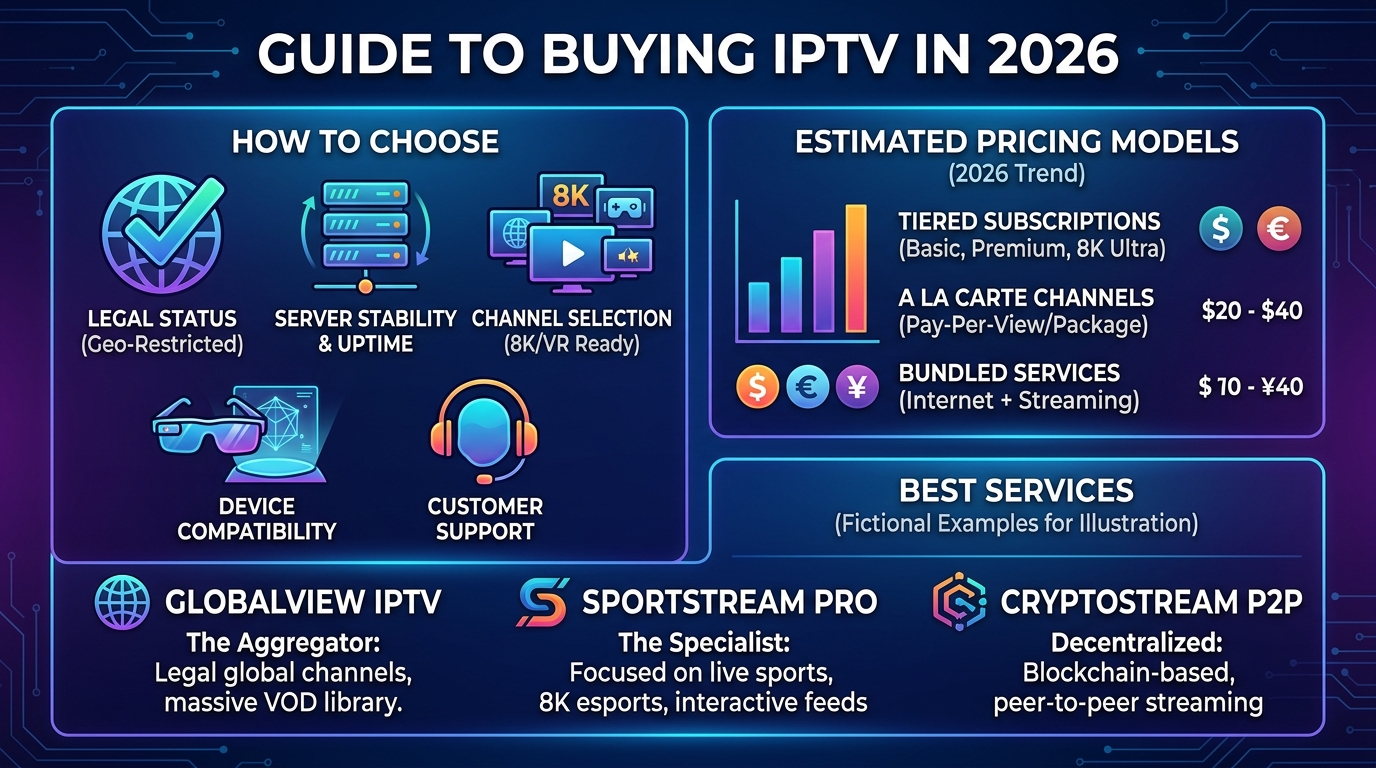
Article Outline
- H1: Buy IPTV Subscription: The Ultimate Guide to Choosing the Best Service in 2026
- H2: What Is IPTV and Why Is It So Popular?
- H3: How IPTV Works Compared to Traditional TV
- H3: Key Benefits of IPTV Services
- H2: Why People Are Switching to IPTV in 2026
- H3: Cost Savings Compared to Cable
- H3: Flexibility and Global Content Access
- H2: Types of IPTV Subscriptions Available
- H3: Live TV IPTV Services
- H3: VOD (Video on Demand) IPTV
- H3: Premium vs Free IPTV Services
- H2: Features to Look for Before You Buy IPTV Subscription
- H3: Channel Selection and Quality
- H3: Device Compatibility
- H3: Customer Support and Reliability
- H2: IPTV Pricing: What Should You Expect?
- H3: Monthly vs Yearly Subscription Plans
- H3: Hidden Costs to Watch Out For
- H2: Is IPTV Legal? What You Need to Know
- H3: Legal vs Illegal IPTV Services
- H3: How to Stay Safe While Streaming
- H2: Best Devices for IPTV Streaming
- H3: Smart TVs and Streaming Devices
- H3: Mobile and Desktop Options
- H2: How to Choose the Best IPTV Provider
- H3: Red Flags to Avoid
- H3: Trusted IPTV Providers Criteria
- H2: Step-by-Step Guide to Buying an IPTV Subscription
- H3: Where to Buy IPTV Safely
- H3: Setting Up Your IPTV Service
- H2: Conclusion
- H2: FAQs About Buying IPTV Subscription
- H2: What Is IPTV and Why Is It So Popular?
Buy IPTV Subscription: The Ultimate Guide to Choosing the Best Service in 2026
What Is IPTV and Why Is It So Popular?
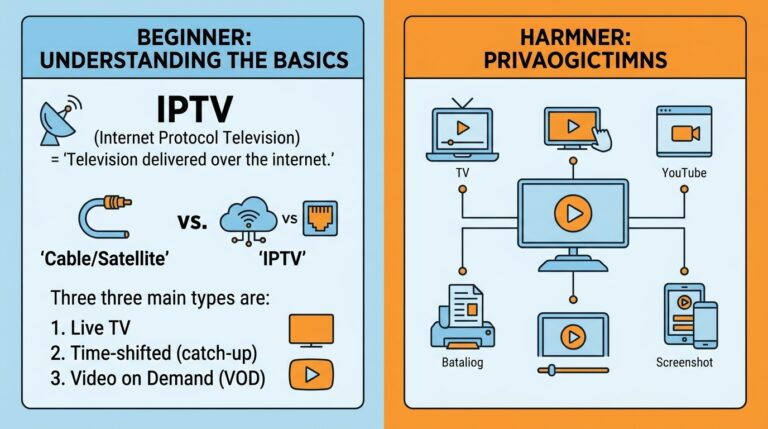
If you’ve been hearing more people talk about cutting the cord and switching to IPTV, you’re not alone. The way we consume television has changed dramatically over the last decade, and IPTV—short for Internet Protocol Television—is right at the center of that shift. Instead of relying on satellite dishes or cable connections, IPTV delivers content through the internet. That means everything from live sports to blockbuster movies is streamed directly to your device.
What makes IPTV so appealing isn’t just the technology—it’s the control it gives you. Think about it: no more being tied to a rigid broadcast schedule or paying for hundreds of channels you never watch. With IPTV, you choose what you want, when you want it. It feels less like traditional TV and more like a personalized entertainment hub designed around your habits.
Another big reason for its popularity is accessibility. Whether you’re using a smart TV, smartphone, tablet, or even a laptop, IPTV services are designed to work seamlessly across devices. This flexibility is something cable simply can’t compete with. Add to that the increasing availability of high-speed internet worldwide, and it’s easy to see why IPTV subscriptions are booming in 2026.
There’s also the global factor. IPTV allows users to access content from different countries without the usual geographic restrictions. Want to watch UK channels while living in the US? Or stream international sports leagues without expensive add-ons? IPTV makes that possible.
At its core, IPTV is about freedom—freedom of content, freedom of access, and freedom from outdated viewing models. And that’s exactly why so many people are making the switch.
How IPTV Works Compared to Traditional TV
To really understand why so many people are eager to buy IPTV subscriptions, it helps to break down how it actually works compared to traditional television. At a glance, both deliver shows and channels—but behind the scenes, they operate in completely different ways.
Traditional TV, whether it’s cable or satellite, relies on broadcasting signals. These signals are sent out in a continuous stream, and your TV simply picks them up. You’re essentially tuning into a live feed that’s being transmitted to thousands—or even millions—of viewers at the same time. This system works, but it’s rigid. You get what’s being broadcast, and that’s about it.
IPTV flips this model on its head. Instead of broadcasting everything at once, IPTV uses your internet connection to deliver content on demand. When you click on a channel or a movie, the service sends that specific stream directly to your device. It’s more like browsing YouTube or Netflix than watching traditional TV.
This difference opens the door to a much richer experience. IPTV allows features like pause, rewind, and instant playback on live TV—something that would be impossible with old-school broadcasting without additional hardware. It also enables personalized recommendations and curated content libraries.
Another key advantage is bandwidth efficiency. With IPTV, you’re only using data for the content you actually watch. In contrast, traditional TV broadcasts everything regardless of whether anyone is watching a particular channel.
In simple terms, traditional TV is like a one-way street, while IPTV is a two-way conversation. You’re not just receiving content—you’re actively choosing and controlling it. That level of interaction is a big part of why IPTV subscriptions are becoming the new standard.
Key Benefits of IPTV Services
When people decide to buy an IPTV subscription, they’re usually chasing a better viewing experience—and for good reason. IPTV services come packed with advantages that go far beyond what cable or satellite TV can offer.
One of the biggest benefits is cost efficiency. Traditional cable packages can be expensive, especially when you factor in hidden fees, equipment rentals, and premium channel add-ons. IPTV services, on the other hand, often provide thousands of channels and on-demand content at a fraction of the cost. For budget-conscious viewers, this alone can be a game changer.
Another standout feature is the sheer volume of content. IPTV platforms typically offer a mix of live TV, movies, TV shows, and even exclusive international channels. It’s like having multiple streaming services combined into one. Whether you’re into sports, news, documentaries, or niche genres, there’s something for everyone.
Flexibility is another major win. With IPTV, you’re not tied to a single device or location. You can start watching a movie on your TV, continue on your phone during a commute, and finish on your laptop later. This kind of seamless transition fits perfectly into modern, on-the-go lifestyles.
Let’s not forget about high-definition and 4K streaming. Many IPTV providers now offer ultra-high-quality streams, provided you have a stable internet connection. That means sharper visuals, better sound, and an overall more immersive experience.
There’s also the added benefit of customization. Many IPTV services allow you to create playlists, mark favorites, and even set parental controls. It’s your content, your way.
All these benefits combined make IPTV not just an alternative to traditional TV—but a significant upgrade. And once you experience it, going back to cable feels like stepping into the past.
Why People Are Switching to IPTV in 2026
The shift toward IPTV isn’t just a trend—it’s a full-blown transformation in how people consume media. In 2026, more households than ever are ditching traditional TV services in favor of internet-based streaming, and the reasons behind this move are both practical and compelling.
For starters, people are simply tired of overpaying. Cable bills have been creeping up year after year, often loaded with channels nobody watches. IPTV flips that script by offering more value for less money. You’re not just saving a few dollars—you’re often cutting your entertainment costs in half while getting access to significantly more content.
Then there’s the issue of convenience. Modern viewers want content on their terms. They don’t want to schedule their day around a TV program—they want the program to fit into their schedule. IPTV delivers exactly that. Whether it’s binge-watching a series late at night or catching a live game on your phone during a lunch break, the flexibility is unmatched.
Another driving factor is globalization. People today are more connected than ever, and that extends to the content they consume. IPTV allows users to access international channels and shows that would otherwise be unavailable. This is especially valuable for expatriates and multicultural households who want to stay connected to content from their home countries.
Technology also plays a huge role. Faster internet speeds, better compression technologies, and more powerful devices have made IPTV smoother and more reliable than ever before. Buffering issues that once plagued streaming services are becoming less common, making the experience feel just as seamless—if not more so—than traditional TV.
Ultimately, the rise of IPTV reflects a broader shift toward personalization and control. People no longer want a one-size-fits-all solution. They want entertainment tailored to their preferences, and IPTV delivers exactly that.
Cost Savings Compared to Cable
Let’s talk numbers, because this is where IPTV really starts to shine. One of the biggest reasons people decide to buy IPTV subscriptions is the potential for serious cost savings. And we’re not talking about minor discounts—we’re talking about a complete rethink of how much you should be paying for entertainment.
Traditional cable TV packages can easily range from $70 to $150 per month, depending on the channels and features included. Add in equipment rental fees, installation charges, and premium add-ons, and that number can climb even higher. Over the course of a year, you could be spending well over $1,000 just to keep your TV running.
Now compare that to IPTV. Many IPTV subscriptions cost anywhere from $10 to $25 per month, with some annual plans offering even better value. Despite the lower price, these services often include thousands of channels, on-demand movies, and even premium sports packages. It almost sounds too good to be true—but for many users, it’s a reality.
Here’s a simple comparison:
| Feature | Cable TV | IPTV |
|---|---|---|
| Monthly Cost | $70–$150 | $10–$25 |
| Channel Count | 100–300 | 1000+ |
| On-Demand Content | Limited | Extensive |
| Device Flexibility | Low | High |
The savings don’t stop there. IPTV doesn’t require bulky hardware like set-top boxes or satellite dishes. Most services work with apps that you can install on devices you already own. That means no extra equipment costs and no installation hassles.
For families or individuals looking to cut expenses without sacrificing entertainment, IPTV offers a compelling alternative. It’s not just cheaper—it’s smarter spending.
Flexibility and Global Content Access
Another key reason people are switching to IPTV in 2026 is flexibility. Unlike traditional cable, which locks you into specific devices and locations, IPTV allows you to watch your favorite shows anywhere there’s a stable internet connection. Imagine starting your favorite series on your smart TV at home, pausing it, then continuing on your tablet during a commute. This seamless transition is a game-changer for modern viewers with busy lifestyles.
Global content access is another major draw. Many IPTV providers include channels from multiple countries, giving users the ability to watch international news, live sports, and foreign TV shows that would otherwise be inaccessible. For example, an expat living in the U.S. can easily stream channels from the UK, India, or Brazil. This kind of accessibility allows people to stay connected with their home culture, follow global sports leagues, or simply explore entertainment options beyond local programming.
IPTV also provides personalized recommendations based on viewing habits, similar to Netflix or YouTube, making it easier for users to discover new shows and movies without scrolling endlessly. With traditional cable, you’re limited to what’s being broadcast at the time, often missing shows you’d actually enjoy. With IPTV, content is tailored to your preferences, increasing satisfaction and engagement.
Moreover, IPTV allows users to record content for later viewing without extra DVR hardware. Many services now include cloud DVR features, making it easier than ever to save live TV shows or sporting events. This combination of convenience, global access, and personalization is why IPTV subscriptions are not just popular—they are replacing cable as the default method of watching TV for millions of households worldwide.
Types of IPTV Subscriptions Available
If you’re thinking about buying an IPTV subscription, it’s important to understand the types of services available. Not all IPTV subscriptions are created equal, and different services are designed to meet different viewing preferences. Choosing the right type will ensure you get the best value and viewing experience.
Live TV IPTV Services
Live TV IPTV is exactly what it sounds like: streaming television channels in real-time, much like cable. You get access to news, sports, entertainment, and other live channels without needing a cable box.
The major benefit of Live TV IPTV is that it allows you to watch content as it airs, including live sports events, breaking news, or reality TV competitions. Unlike traditional cable, however, you don’t need to rely on a set-top box or stay home to watch your favorite shows. Live TV IPTV is perfect for sports enthusiasts or news junkies who want real-time access without being locked to a single device.
One downside to consider is that live IPTV streams can occasionally experience buffering if your internet connection isn’t stable. High-quality providers often use adaptive streaming to minimize interruptions, but it’s something to keep in mind when comparing services.
VOD (Video on Demand) IPTV
Video on Demand, or VOD, is another popular type of IPTV subscription. This service allows you to stream movies, TV series, documentaries, and other content whenever you want, instead of waiting for scheduled programming.
VOD IPTV is ideal for binge-watchers or anyone who prefers on-demand entertainment. Unlike live TV, VOD allows full control over playback—you can pause, rewind, or skip entire sections of content at your convenience. Many providers offer large libraries with thousands of titles, often updated weekly to include the latest releases.
VOD also works well for international content. For example, if you’re a fan of Korean dramas or Japanese anime, VOD IPTV services often provide access to these genres without geographic restrictions. The main consideration here is storage and data usage: streaming high-definition movies and shows can consume significant bandwidth. A reliable internet connection is key for a smooth experience.
Premium vs Free IPTV Services
When shopping for an IPTV subscription, you’ll notice a major distinction: premium vs free IPTV services. Free services are appealing because they cost nothing upfront, but they often come with limitations such as ads, lower quality streams, or unstable servers. Many free IPTV streams may also operate in legal gray areas, making them risky for consistent viewing.
Premium IPTV subscriptions, on the other hand, provide higher-quality streams, customer support, and access to a broader range of channels. These services typically cost between $10 and $25 per month but offer a smoother, more reliable experience. They also often include features like HD or 4K streaming, cloud DVR, multi-device support, and curated content libraries.
Paying for a premium IPTV subscription usually ensures consistency, security, and support, which is why most users find it a worthwhile investment.
Features to Look for Before You Buy IPTV Subscription
Buying an IPTV subscription isn’t just about picking the cheapest option. There are several key features that can significantly affect your viewing experience, so knowing what to look for is critical.
Channel Selection and Quality
One of the first things to consider is the range and quality of channels offered. Does the service include the sports, news, entertainment, or international channels you actually want? Some providers offer over 1,000 channels, while others focus on niche content.
Video quality is equally important. Look for providers that offer HD or 4K streams with minimal buffering. Some services also offer adaptive streaming, which automatically adjusts quality based on your internet speed, reducing interruptions. Check reviews or trial options to ensure the streams are reliable and high-quality before committing.
Device Compatibility
Another essential feature is device compatibility. Can the IPTV service work on your smart TV, phone, tablet, or computer? Some IPTV providers even support streaming on gaming consoles or media players like Fire Stick, Roku, or Apple TV.
A flexible service lets you switch between devices seamlessly. For example, you might want to watch sports on your TV at home but continue the same match on your phone while commuting. Ensuring device compatibility can prevent frustration and enhance your overall experience.
Customer Support and Reliability
Customer support is often overlooked but critical when buying an IPTV subscription. Even premium services can occasionally face downtime or technical issues, so responsive support is a must. Look for providers that offer live chat, email support, or troubleshooting guides.
Reliability also extends to server uptime. A service that frequently crashes or streams slowly can ruin the experience. Checking user reviews and forums can give you insights into the stability of the service before purchasing a subscription.
IPTV Pricing: What Should You Expect?
Understanding IPTV pricing is essential before committing to a subscription. While it’s often significantly cheaper than cable, prices vary based on features, content availability, and subscription duration. Generally, you’ll find three main pricing models: monthly, quarterly, and yearly plans.
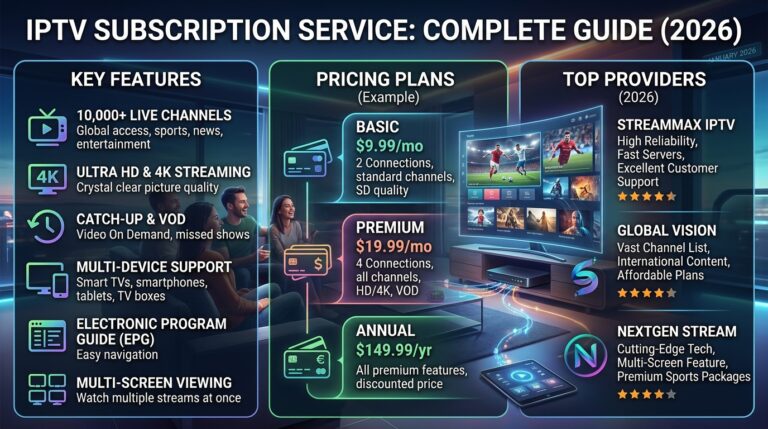
Monthly subscriptions are popular for users who want flexibility. They typically range from $10 to $25 per month, offering access to hundreds or even thousands of channels. Monthly plans are perfect if you want to test a service before committing long-term or if you’re only interested in short-term usage, like for a sports season or a temporary stay abroad.
Yearly or long-term subscriptions usually provide better value, sometimes reducing the overall monthly cost by 20–30%. For example, a service charging $20 monthly might offer a $200 yearly plan, effectively giving you two months free. Long-term plans are ideal for regular viewers who want stability and uninterrupted access to content.
It’s important to also be aware of hidden costs. Some IPTV providers charge additional fees for features like multi-device access, HD or 4K streaming, or cloud DVR. These costs may seem minor individually but can add up. Make sure to read the fine print and understand what’s included in your subscription.
Here’s a sample pricing comparison for context:
| Subscription Type | Monthly Cost | Features Included | Ideal For |
|---|---|---|---|
| Basic | $10 | SD quality, limited channels | Casual viewers |
| Standard | $15–$20 | HD quality, 500–1000 channels, VOD access | Regular viewers |
| Premium | $25+ | 4K streams, multi-device support, cloud DVR, international channels | Enthusiasts & families |
Ultimately, the “right” price depends on your viewing habits. It’s better to pay slightly more for reliability and quality than to go for the cheapest service and face constant interruptions or limited content.
Is IPTV Legal? What You Need to Know
Legality is one of the most frequently asked questions about IPTV. The answer isn’t always simple because it depends on the provider and the content being streamed.
Legal vs Illegal IPTV Services
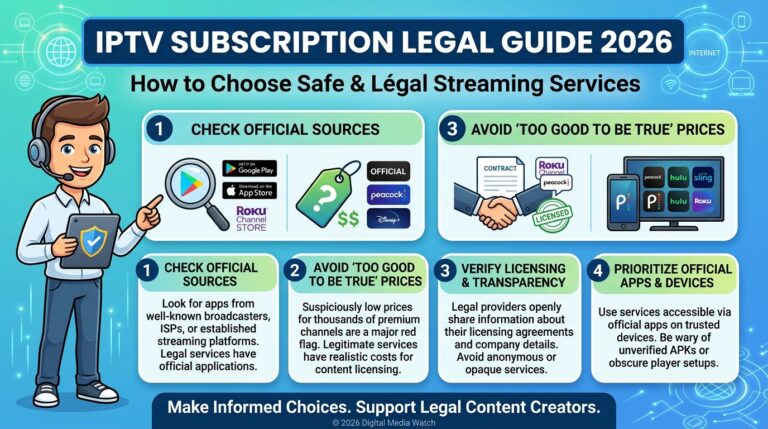
Legal IPTV services are fully licensed and pay content providers for the channels they offer. Examples include Sling TV, Hulu Live, and YouTube TV. Subscribing to these services ensures you’re on the right side of the law, with reliable streams, customer support, and consistent access.
Illegal IPTV services, on the other hand, often provide access to premium channels or copyrighted content without authorization. While these may be cheaper, they carry significant risks, including sudden service shutdowns, malware exposure, and even potential legal consequences. Avoiding illegal IPTV providers is crucial for both safety and peace of mind.
How to Stay Safe While Streaming
To stay safe while using IPTV:
- Stick to reputable providers. Check reviews, forums, and verified user experiences.
- Look for licensing information. Legal IPTV providers are transparent about their channel rights.
- Use secure payment methods. Avoid services requiring cryptocurrency or untraceable payments unless you fully trust them.
- Consider a VPN. While not required for legal IPTV, a VPN can provide additional privacy and protection when streaming online.
Following these tips ensures you enjoy IPTV without the stress of legal or security issues.
Best Devices for IPTV Streaming
IPTV’s flexibility is one of its biggest advantages, but to fully enjoy it, you need the right devices. Let’s break down the top options.
Smart TVs and Streaming Devices
Most modern smart TVs come with apps compatible with popular IPTV services. This is the most convenient setup for home viewing, providing a traditional TV experience without the need for cable.
Streaming devices like Amazon Fire Stick, Roku, Apple TV, and Android TV boxes can transform older TVs into IPTV-ready devices. They often support multiple IPTV apps, HD/4K streaming, and remote control functionality, making them ideal for households with multiple viewers.
Mobile and Desktop Options
IPTV is not limited to the living room. Smartphones, tablets, and laptops can stream content seamlessly via dedicated apps or web portals. This is particularly useful for travelers, students, or anyone wanting to watch on the go. Many IPTV services support simultaneous streams on multiple devices, so your family can watch different content without conflict.
How to Choose the Best IPTV Provider
Finding the right IPTV provider can feel overwhelming given the hundreds of options available. The key is to focus on reliability, legality, and user experience.
Red Flags to Avoid
- Providers with no clear contact or support channels
- Extremely low prices that seem “too good to be true”
- Negative reviews citing frequent downtime or malware issues
- Lack of clear licensing information
Trusted IPTV Providers Criteria
- Transparent pricing with no hidden fees
- High-quality streams (HD or 4K) and stable uptime
- Wide channel selection including international content
- Positive customer reviews and active support
By carefully evaluating these factors, you can avoid scams and enjoy uninterrupted, high-quality viewing.
Step-by-Step Guide to Buying an IPTV Subscription
Where to Buy IPTV Safely
- Official websites of legal IPTV providers – Sling TV, Hulu Live, and YouTube TV.
- Authorized resellers – Some providers have verified partners selling subscriptions safely.
- Avoid unverified forums or social media ads – They may lead to illegal services.
Setting Up Your IPTV Service
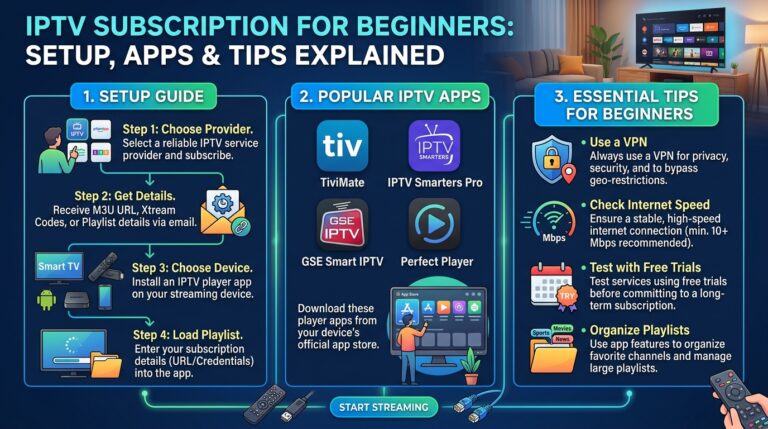
- Choose a provider and subscription plan.
- Install the IPTV app on your preferred device(s).
- Log in with your subscription credentials.
- Browse channels or VOD content and start streaming.
- Optional: set up parental controls, favorites, or playlists for a personalized experience.
Setting up IPTV is generally straightforward and can be completed in under 10 minutes once you have a subscription.
Conclusion
Buying an IPTV subscription in 2026 is no longer a niche option—it’s becoming the default choice for modern viewers who want flexibility, affordability, and access to global content. With multiple subscription types, devices, and providers to choose from, there’s an IPTV service for everyone, whether you’re a casual viewer, sports fan, or binge-watcher. The key is to focus on legality, reliability, and quality to ensure a seamless viewing experience.
By understanding how IPTV works, the benefits it offers, and the features to look for, you can confidently switch from traditional cable and enjoy TV on your terms.
FAQs About Buying IPTV Subscription
1. Can I watch IPTV on multiple devices at the same time?
Yes, most premium IPTV providers allow simultaneous streaming on multiple devices, typically 2–5 depending on the subscription plan.
2. Is IPTV cheaper than cable TV?
Generally, yes. Monthly IPTV subscriptions often cost $10–$25, compared to $70–$150 for traditional cable, while offering more channels and features.
3. Are free IPTV services safe to use?
Free IPTV services can be risky. Many operate illegally or provide unstable streams. For safety, it’s best to choose a legal premium provider.
4. Do I need a fast internet connection for IPTV?
Yes, for HD streaming a minimum of 10 Mbps is recommended, while 4K streams require at least 25 Mbps for smooth playback.
5. How do I know if an IPTV service is legal?
Legal IPTV providers clearly state licensing agreements and often have transparent business information. Avoid providers that hide this or advertise unrealistically low prices.