
Article Outline (Tree Hierarchy with 20 Headings)
- H1: How to Get an IPTV Subscription: The Complete Beginner-to-Pro Guide
- H2: What Is IPTV and Why Is It So Popular?
- H3: How IPTV Works Behind the Scenes
- H3: IPTV vs Traditional Cable and Satellite
- H2: Types of IPTV Services You Can Choose From
- H3: Live IPTV Services
- H3: Video on Demand (VOD) IPTV
- H3: Hybrid IPTV Services
- H2: Key Features to Look for in an IPTV Subscription
- H3: Channel Variety and Content Quality
- H3: Streaming Quality and Buffering Performance
- H3: Device Compatibility
- H2: Legal vs Unverified IPTV Services
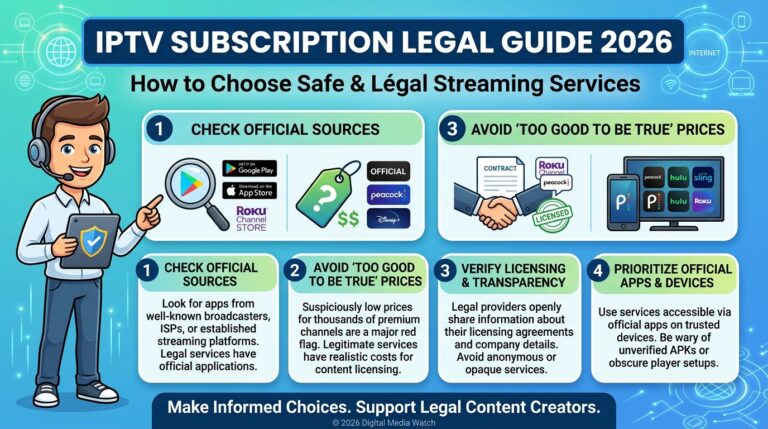
- H3: How to Identify Legal IPTV Providers
- H3: Risks of Using Unverified IPTV Services
- H2: Step-by-Step Guide to Getting an IPTV Subscription
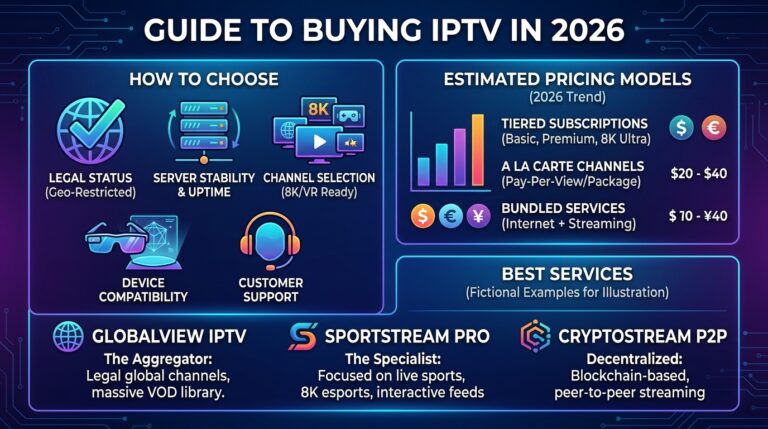
- H3: Choosing a Reliable IPTV Provider
- H3: Signing Up and Making Payment
- H3: Setting Up IPTV on Your Device
- H2: Best Devices for IPTV Streaming
- H3: Smart TVs and Android Boxes
- H3: Firestick, Smartphones, and PCs
- H2: IPTV Apps You Need to Know About
- H3: Popular IPTV Players
- H3: How to Configure IPTV Apps
- H2: Common Problems and How to Fix Them
- H3: Buffering Issues
- H3: Login and Playlist Errors
- H2: Conclusion
- H2: FAQs
- H2: What Is IPTV and Why Is It So Popular?
How to Get an IPTV Subscription: The Complete Beginner-to-Pro Guide
What Is IPTV and Why Is It So Popular?
IPTV, short for Internet Protocol Television, has quietly transformed how people consume entertainment across the globe. Instead of relying on outdated cable wires or satellite dishes, IPTV delivers television content through your internet connection. Think of it like Netflix—but expanded to include live TV, sports channels, international content, and even premium networks all in one place. The surge in IPTV’s popularity isn’t accidental; it’s the result of changing viewer habits combined with better internet speeds and smarter devices.
So why are so many people ditching cable and switching to IPTV? The answer lies in flexibility and control. Traditional TV forces you into rigid schedules and overpriced bundles filled with channels you never watch. IPTV flips that model completely. You get access to thousands of channels and on-demand content, often at a fraction of the cost. Whether you’re into live sports, movies, documentaries, or niche international programming, IPTV gives you a personalized viewing experience.
Another major factor is accessibility. You’re no longer tied to your living room television. With IPTV, you can stream content on your smartphone, tablet, laptop, or smart TV—anywhere with a stable internet connection. It’s like carrying your entire entertainment library in your pocket. That convenience alone has been a game-changer for busy lifestyles.
There’s also a growing demand for global content. IPTV allows users to access channels from different countries without complicated setups. Want to watch UK sports, US shows, or Asian dramas from one subscription? IPTV makes it possible. It breaks down geographical barriers in a way traditional TV never could.
And let’s not ignore the economic angle. With rising cable prices, many households are actively searching for cheaper alternatives. IPTV often costs significantly less while offering more content. That combination of affordability and abundance has made it incredibly attractive.
In simple terms, IPTV is popular because it gives people what they’ve always wanted—more choice, more convenience, and more value.
How IPTV Works Behind the Scenes
Understanding how IPTV works might sound technical, but it’s actually easier than you think. At its core, IPTV uses your internet connection to stream video content in real time or on demand. Instead of broadcasting signals through satellite or cable, IPTV sends data packets over IP networks—similar to how websites and streaming platforms operate.
Here’s a simple way to picture it: imagine ordering food from a restaurant. Traditional TV is like a buffet—you get what’s available at a fixed time. IPTV, on the other hand, is like ordering from a menu. You choose exactly what you want, and it’s delivered to you instantly. That’s essentially how IPTV operates.
When you subscribe to an IPTV service, you’re given access to a playlist or portal. This usually comes in the form of an M3U link or a login credential. That playlist contains all the channels and content offered by the provider. You then use an IPTV player app to load that playlist and start streaming.
The real magic happens through content delivery networks (CDNs) and servers. These servers store and distribute video content efficiently, ensuring smooth playback. When you click on a channel, your IPTV app requests the stream from the server, which then sends the data to your device in small chunks. This allows for continuous playback without needing to download the entire file.
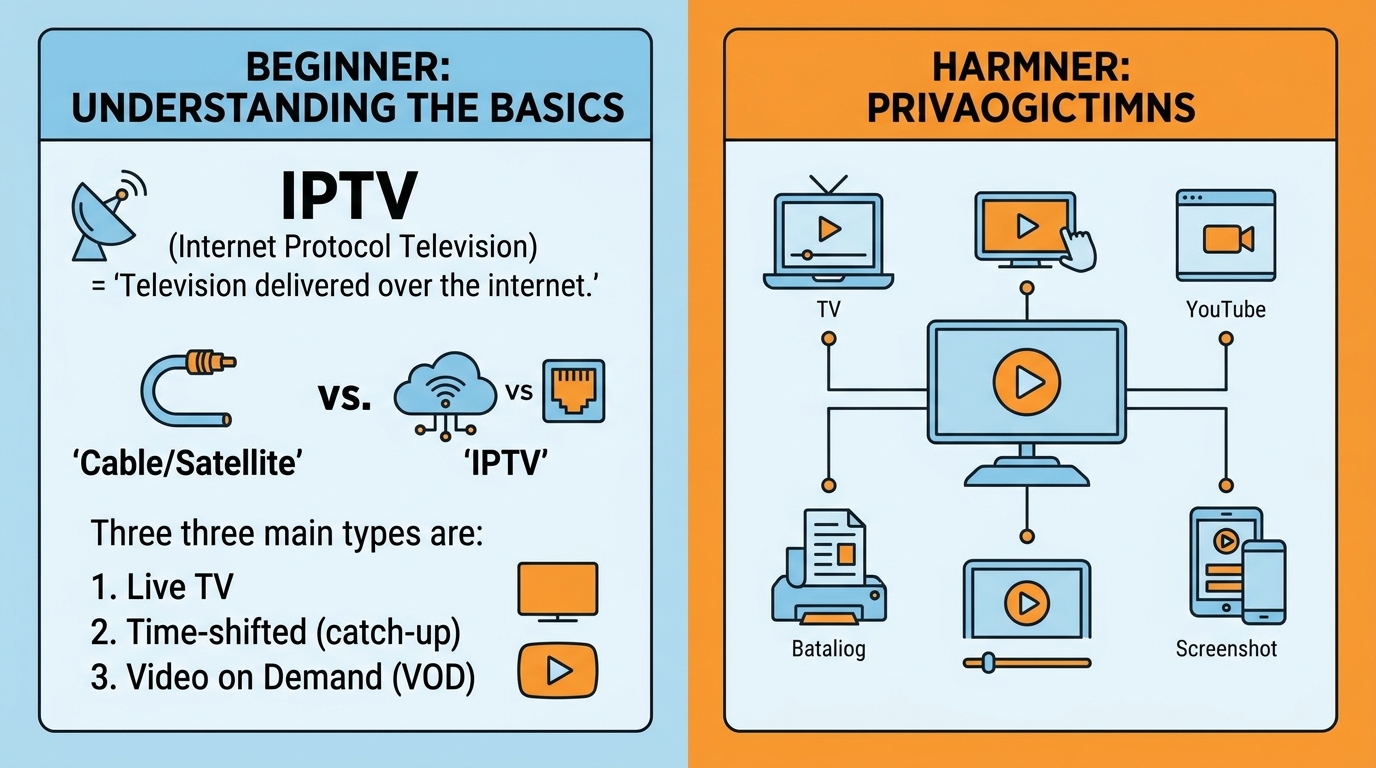
There are typically three main formats of IPTV delivery:
- Live TV Streaming – Just like traditional broadcasting but delivered over the internet.
- Time-Shifted Media – Allows you to watch previously aired programs.
- Video on Demand (VOD) – Access movies and shows whenever you want.
Of course, your experience depends heavily on your internet speed and the quality of the IPTV provider’s infrastructure. A weak connection or overloaded server can lead to buffering, which is why choosing the right provider is crucial.
Security and encryption also play a role. Many IPTV services use secure protocols to protect streams and user data. However, not all providers operate within legal frameworks, which is something to be mindful of when choosing a subscription.
In essence, IPTV works by turning your internet into a powerful broadcasting system—one that puts you in control of what, when, and how you watch.
IPTV vs Traditional Cable and Satellite
The battle between IPTV and traditional TV services is more than just a trend—it’s a shift in how entertainment is delivered and consumed. If you’ve ever felt frustrated by high cable bills or limited channel options, you’re not alone. IPTV has emerged as a strong alternative, but how do they really compare?
Let’s start with cost. Traditional cable and satellite subscriptions can easily climb into the $80–$150 per month range, depending on the package. IPTV services, on the other hand, often cost a fraction of that—sometimes as low as $10–$20 per month. That’s a massive difference, especially when IPTV often includes more channels and features.
Next comes content flexibility. Cable TV typically locks you into predefined bundles. You might pay for 200 channels but only watch 20. IPTV flips that model by offering extensive libraries, including international channels, niche content, and massive VOD collections. It’s like upgrading from a basic playlist to an entire music library.
Accessibility is another game-changer. With cable, you’re tied to a specific location and device. IPTV lets you watch content anywhere—on your phone during a commute, on your laptop at a café, or on your smart TV at home. It’s built for modern, on-the-go lifestyles.
Now let’s talk about quality and performance. Satellite TV can suffer from weather interference, while cable depends on physical infrastructure. IPTV relies on internet speed. With a strong connection (typically 25 Mbps or higher), you can enjoy HD and even 4K streaming without issues. However, poor internet can lead to buffering, which is one area where traditional TV can still have an edge.
Here’s a quick comparison:
| Feature | IPTV | Cable/Satellite |
|---|---|---|
| Cost | Low | High |
| Channel Variety | Extensive | Limited |
| Accessibility | Anywhere | Location-based |
| Setup | Easy | Complex |
| Reliability | Internet-dependent | Stable but rigid |
Another key difference is customization. IPTV allows users to tailor their experience—choose apps, create playlists, and even integrate with other streaming services. Cable TV feels static in comparison.
That said, IPTV isn’t perfect. It requires a reliable internet connection and some basic setup knowledge. Cable, while outdated, is straightforward and consistent.
At the end of the day, the choice depends on what you value more—convenience and flexibility or simplicity and stability. But with technology advancing rapidly, IPTV is clearly leading the future of television.
Types of IPTV Services You Can Choose From
When stepping into the world of IPTV, one of the first things you’ll notice is that not all services are built the same. It’s a bit like walking into a massive streaming supermarket—there are different categories, each tailored to specific viewing habits. Understanding these types helps you avoid wasting money on features you’ll never use and instead pick something that actually fits your lifestyle.
At the highest level, IPTV services are divided into three main categories: live TV, video on demand, and hybrid options. Each one serves a different purpose, and many providers combine them into a single package to create a more complete experience. But here’s the catch—not every provider executes these features well. Some excel in live sports, while others shine with movie libraries.
The growing demand for IPTV has pushed providers to diversify their offerings. According to recent industry insights, over 60% of IPTV users prefer hybrid services because they combine flexibility with real-time access. That trend tells you something important—people don’t want to choose anymore; they want everything in one place.
Another thing to consider is how content is delivered. Some IPTV services specialize in regional programming, while others aim for global reach. If you’re someone who enjoys international content or multilingual channels, your choice of IPTV type becomes even more important.
And then there’s user experience. Some services offer intuitive interfaces, EPG (Electronic Program Guides), and recording features, while others feel clunky and outdated. The type of IPTV service you choose often determines how smooth—or frustrating—your daily viewing experience will be.
So before jumping into a subscription, it’s worth asking yourself a simple question: Do you want to watch live events, binge-watch shows, or do a bit of both? Your answer will guide everything that follows.
Live IPTV Services
Live IPTV services are the closest thing to traditional television—but with a modern twist. They stream TV channels in real time, allowing you to watch news, sports, and events as they happen. If you’re someone who hates spoilers or loves the thrill of live matches, this is where IPTV really shines.
Imagine watching a major sports final without being tied to your living room TV. With live IPTV, you can stream it on your phone, tablet, or laptop wherever you are. That level of flexibility is something cable simply can’t compete with. It’s like carrying a portable TV station in your pocket.
One of the biggest advantages here is channel variety. Many live IPTV providers offer thousands of channels from different countries. This is especially appealing for expats or multicultural households who want access to content from back home. You’re no longer limited by geography.
However, not all live IPTV services are created equal. The quality depends heavily on server stability and bandwidth. A good provider will offer minimal buffering, high-definition streams, and reliable uptime—even during peak hours. A poor one? Expect lag, freezing, and frustration right when it matters most.
Another feature to look for is EPG support. An Electronic Program Guide makes navigating channels much easier, showing you what’s currently playing and what’s coming next. Without it, browsing channels can feel like flipping through static.
Live IPTV is particularly popular among sports fans. In fact, a significant portion of IPTV subscribers cite sports access as their primary reason for switching. Whether it’s football, basketball, cricket, or niche leagues, live IPTV opens doors that traditional packages often lock behind expensive paywalls.
Still, it’s important to match your expectations. If your internet connection isn’t stable, live IPTV might not perform at its best. But with the right setup, it delivers an experience that feels both familiar and refreshingly modern.
Video on Demand (VOD) IPTV
If live TV is about staying in the moment, Video on Demand (VOD) is all about control. This type of IPTV lets you watch movies, TV shows, and series whenever you want—no schedules, no waiting, no restrictions. It’s essentially the Netflix model, but often on a much larger and more diverse scale.
Think about those times when you just want to relax and binge-watch an entire season of your favorite show. VOD IPTV makes that effortless. You’re not tied to broadcast times or forced to record programs in advance. Everything is available instantly, ready to play with just a click.
One of the biggest strengths of VOD IPTV is its content library. Many providers offer thousands of movies and series, ranging from classic films to the latest releases. Some even categorize content by genre, language, or popularity, making it easier to discover something new.
But here’s where things get interesting—VOD libraries can vary dramatically between providers. Some focus on Hollywood content, while others specialize in regional or international programming. This means your experience can feel completely different depending on the service you choose.
Another key factor is streaming quality. High-quality VOD services offer HD and 4K content with minimal buffering. They also support features like subtitles, multiple audio tracks, and resume playback. These small details make a big difference in how immersive your viewing experience feels.
There’s also a psychological element at play. With VOD, you’re in control, which often leads to longer viewing sessions. Ever started one episode and ended up watching five? That’s the power of on-demand content—it removes friction and keeps you engaged.
Still, VOD isn’t perfect. It lacks the excitement of live events and real-time interaction. But for most users, it complements live TV perfectly, creating a balanced entertainment setup.
Hybrid IPTV Services
Hybrid IPTV services are where everything comes together. They combine live TV, video on demand, and sometimes even additional features like catch-up TV and cloud DVR. If you’re someone who doesn’t want to compromise, this is usually the best option.
Picture this: you watch a live football match in the evening, catch up on missed shows later, and then unwind with a movie—all from the same platform. That’s the convenience hybrid IPTV brings to the table. It’s designed for modern viewers who expect flexibility without sacrificing variety.
The biggest advantage here is versatility. You’re not locked into one type of content. Whether you’re in the mood for live news, binge-worthy series, or international channels, everything is accessible through a single subscription. It simplifies your entertainment ecosystem.
Hybrid services often come with advanced features like catch-up TV, which allows you to watch programs that aired hours or even days earlier. This is especially useful if you miss a live broadcast but don’t want to wait for it to appear in a VOD library.
Another standout feature is multi-device support. Many hybrid IPTV providers allow you to stream on multiple devices simultaneously. This makes it ideal for families or shared households where everyone has different viewing preferences.
However, with more features comes greater responsibility on the provider’s end. Hybrid services require robust infrastructure to handle both live streaming and on-demand content efficiently. This means choosing a reliable provider becomes even more critical.
From a value perspective, hybrid IPTV often offers the best bang for your buck. Instead of juggling multiple subscriptions, you get everything bundled into one. It’s like upgrading from a single-tool gadget to a full toolkit—more options, more control, and a much richer experience.
Key Features to Look for in an IPTV Subscription
Choosing an IPTV subscription isn’t just about picking the cheapest option or the one with the most channels. It’s about finding a service that aligns with your viewing habits and delivers a smooth, enjoyable experience. With so many providers out there, knowing what features actually matter can save you from a lot of frustration.
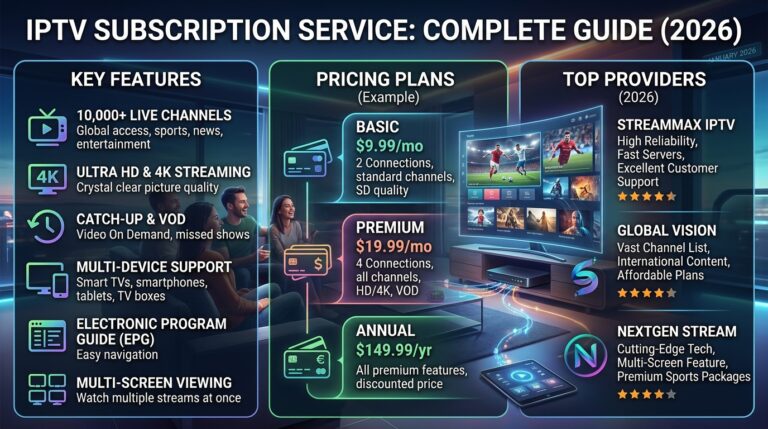
One of the first things to consider is content availability. Does the service offer the channels and shows you actually want to watch? It sounds obvious, but many people overlook this and end up paying for content they never use. A good IPTV provider should offer a balanced mix of live channels and VOD content.
Then there’s streaming performance. This is where many services either shine or fail miserably. Buffering, lag, and poor video quality can quickly ruin your experience. A reliable IPTV provider invests in strong servers and content delivery systems to ensure smooth playback.
Another critical feature is device compatibility. You don’t want to be locked into a single device. The best IPTV services work seamlessly across smart TVs, smartphones, tablets, and streaming devices like Firestick. This flexibility allows you to watch content wherever and however you prefer.
User interface also plays a big role. A clean, intuitive interface makes navigation easy, while a cluttered one can turn even the best content into a hassle to access. Look for services that offer organized menus, search functionality, and EPG integration.
Security and support shouldn’t be ignored either. A trustworthy provider will offer secure payment options and responsive customer support. If something goes wrong, you want to know there’s someone who can help you fix it quickly.
Ultimately, the best IPTV subscription is the one that feels effortless to use. It should blend into your daily routine, not complicate it.
Channel Variety and Content Quality
When people search for how to get an IPTV subscription, one of the biggest expectations they carry is access to a massive pool of channels and high-quality content. And honestly, that expectation is justified. What’s the point of switching from cable if you’re not getting more value, right? But here’s where many users make a mistake—they focus only on the number of channels instead of the actual quality and relevance of those channels.
A provider advertising “10,000+ channels” might sound impressive, but how many of those will you actually watch? A better approach is to look for curated content that aligns with your interests. Whether you’re into sports, movies, kids’ programming, or international channels, the right IPTV service should feel like it was built specifically for you.
Content quality goes hand-in-hand with variety. High-definition (HD) and 4K streaming are becoming the standard, especially as more households upgrade their screens. According to recent streaming trends, over 70% of viewers prefer HD or higher resolution, and anything below that feels outdated. A good IPTV provider ensures that popular channels and VOD content are available in the best possible resolution.
Another factor to consider is content freshness. Are movies and shows updated regularly? Is the sports lineup current? There’s nothing more frustrating than subscribing to a service only to find outdated libraries and missing episodes. Reliable providers keep their content updated frequently, giving you access to the latest releases.
Language and regional diversity also play a huge role. IPTV stands out because it can offer channels from across the globe. This is a game-changer for multicultural families or anyone who enjoys international content. From Bollywood movies to European football leagues, the right service opens doors you didn’t even know existed.
At the end of the day, it’s not about having everything—it’s about having the right things in the right quality. That’s what separates a good IPTV subscription from a great one.
Streaming Quality and Buffering Performance
Let’s be real—nothing kills the mood faster than buffering. You’re watching an intense scene or a live match, and suddenly the screen freezes. That spinning circle becomes your worst enemy. This is why streaming quality and buffering performance are arguably the most critical aspects of any IPTV subscription.
Streaming quality depends on two main factors: your internet connection and the provider’s server infrastructure. Even with a fast connection, a poorly managed IPTV service can still lag. On the flip side, a high-quality provider can deliver smooth playback even on moderate speeds by optimizing how content is delivered.
Most IPTV services recommend a minimum of 15–25 Mbps for HD streaming and around 50 Mbps for 4K content. But speed alone isn’t everything. Stability matters just as much. A consistent connection ensures uninterrupted viewing, especially for live broadcasts.
Buffering often happens when servers are overloaded. This is common with low-quality or overcrowded IPTV services that don’t invest in scalable infrastructure. Premium providers use Content Delivery Networks (CDNs) to distribute traffic efficiently, reducing lag and improving performance.
Another feature to look for is adaptive streaming. This technology automatically adjusts video quality based on your internet speed, ensuring continuous playback without interruptions. It’s like a smart system that prioritizes smooth viewing over perfect resolution when needed.
Latency is another hidden factor, especially for sports fans. A delay of even a few seconds can ruin the experience if you’re following live scores online. High-quality IPTV services minimize latency, keeping streams as close to real-time as possible.
If you’re serious about IPTV, consider pairing your subscription with a strong Wi-Fi setup or even a wired Ethernet connection. It might seem like a small detail, but it can dramatically improve your experience.
In simple terms, a good IPTV service should feel invisible—it just works, without interruptions or headaches.
Device Compatibility
One of the biggest advantages of IPTV is flexibility, but that flexibility only matters if your subscription works seamlessly across your devices. Imagine paying for a service only to realize it doesn’t support your smart TV or requires complicated workarounds. That’s a headache you can easily avoid by checking device compatibility upfront.
Modern IPTV services are designed to work across a wide range of devices. These typically include Smart TVs (Samsung, LG, Android TV), streaming devices like Amazon Firestick, smartphones (iOS and Android), tablets, and even desktop computers. The more devices supported, the more freedom you have in how and where you watch content.
But compatibility isn’t just about access—it’s about performance. Some apps run better on certain devices. For example, Android-based systems often provide more customization options and smoother IPTV integration compared to other platforms. This is why many experienced users prefer Android TV boxes or Firestick devices.
Another important factor is multi-device support. Many IPTV subscriptions allow simultaneous streaming on multiple devices. This is perfect for households where everyone has different viewing preferences. One person can watch sports in the living room while another streams movies on a tablet.
Ease of setup also matters. A good IPTV provider will offer clear instructions or even dedicated apps for different devices. The last thing you want is to spend hours trying to configure settings just to get started.
There’s also growing support for casting and screen mirroring, allowing you to stream content from your phone to your TV effortlessly. It’s a small feature, but incredibly convenient.
Ultimately, device compatibility is about convenience. IPTV should adapt to your lifestyle—not the other way around. The easier it is to access your content across devices, the more enjoyable your experience will be.
Legal vs Unverified IPTV Services
Before you rush to get an IPTV subscription, there’s an important conversation that often gets overlooked—legality. Not all IPTV services operate within legal boundaries, and understanding the difference can save you from potential risks down the line.
Legal IPTV providers are licensed to distribute content. These include well-known platforms and services that have agreements with broadcasters and content creators. They may cost more, but they offer reliability, security, and peace of mind.
Unverified IPTV services, on the other hand, often provide access to premium channels at unbelievably low prices. Sounds tempting, right? But there’s usually a catch. These services may not have proper licensing, which can lead to legal and technical issues.
According to industry reports, a significant portion of IPTV users unknowingly subscribe to unverified services. This highlights the importance of doing your research before committing to any provider.
Beyond legality, there’s also the issue of data security. Unverified services may not use secure systems, putting your personal and payment information at risk. It’s not just about what you watch—it’s about protecting your digital footprint.
The goal isn’t to scare you, but to help you make informed decisions. IPTV is a powerful tool, but like any tool, it needs to be used wisely.
How to Identify Legal IPTV Providers
Spotting a legal IPTV provider isn’t as complicated as it might seem. It often comes down to transparency and professionalism. Legitimate services are upfront about their licensing, pricing, and features. They don’t rely on vague promises or unrealistic offers.
One clear indicator is official apps and website presence. Legal providers usually have well-designed websites, customer support, and apps available on trusted platforms like Google Play or the Apple App Store. This level of professionalism reflects their legitimacy.
Pricing is another clue. If a service offers thousands of premium channels for an extremely low price, it’s worth questioning how they sustain that model. Legal IPTV services typically have structured pricing that reflects licensing costs.
Customer support is also a strong indicator. Legitimate providers offer responsive support through email, chat, or phone. If something goes wrong, you’ll have someone to turn to.
User reviews and reputation matter too. Look for consistent feedback across multiple platforms. While no service is perfect, a trustworthy provider will have a solid track record.
Ultimately, identifying a legal IPTV provider is about using common sense. If something feels too good to be true, it probably is.
Risks of Using Unverified IPTV Services
Using unverified IPTV services might seem like a shortcut to cheaper entertainment, but it comes with its own set of risks. And these risks go beyond just legality—they can affect your entire viewing experience and even your personal security.
One of the most common issues is unreliable service. Streams may work perfectly one day and disappear the next. Servers can go offline without warning, leaving you with no access and no support. It’s a gamble every time you log in.
There’s also the risk of malware and data breaches. Some unverified services require you to install apps or files from unknown sources. This can expose your device to security threats, putting your personal information at risk.
Payment security is another concern. Without proper encryption and trusted payment gateways, your financial details could be compromised. This is especially risky when using unfamiliar websites.
Legal consequences, while less common for individual users, are still a possibility depending on your region. Regulations around IPTV vary, and it’s important to stay informed about local laws.
In the end, what you save in money might cost you in reliability and peace of mind. Choosing a reputable IPTV provider isn’t just about quality—it’s about safety.
Step-by-Step Guide to Getting an IPTV Subscription
Getting started with IPTV might seem overwhelming at first, especially with so many providers and technical terms floating around. But once you break it down, the process is actually pretty straightforward. Think of it like setting up a new streaming service—but with a few extra choices that give you more control over your experience.
The journey begins with research. Not all IPTV services are created equal, and jumping into the first option you find can lead to frustration. You want a provider that balances content quality, reliability, and support. Reading reviews, checking forums, and even testing trial versions can give you a clearer picture of what to expect.
Once you’ve narrowed down your options, the next step is choosing a subscription plan. Most IPTV providers offer flexible pricing—monthly, quarterly, or yearly. While longer plans often come with discounts, it’s usually smarter to start with a shorter subscription. This gives you a chance to evaluate the service without committing long-term.
After selecting a plan, you’ll move on to account setup and payment. This is where things vary between providers. Some offer instant activation, while others may take a few hours to process your request. Either way, once your account is active, you’ll receive login details or a playlist link.
The final step is setup. This involves installing an IPTV app on your device and entering your credentials. It might sound technical, but most apps are user-friendly and come with step-by-step instructions. Within minutes, you can start streaming.
What makes IPTV unique is the level of customization it offers. You’re not just subscribing—you’re building your own entertainment system. And once everything is set up, it becomes second nature.
Choosing a Reliable IPTV Provider
This is arguably the most important step in the entire process. Choosing the wrong provider can turn your IPTV experience into a constant battle with buffering, missing channels, and poor support. So how do you separate the good from the bad?
Start by looking at reputation. A reliable IPTV provider will have consistent positive feedback across multiple platforms. Don’t just rely on testimonials from their website—check independent forums and communities where users share real experiences.
Next, evaluate their service stability. Do they offer uptime guarantees? Are their servers known for handling high traffic? A good provider invests in infrastructure to ensure smooth streaming, even during peak hours.
Trial options are a huge plus. Many reputable IPTV services offer 24-hour or 48-hour trials. This gives you a risk-free way to test channel availability, streaming quality, and overall usability. It’s like test-driving a car before buying it.
Customer support is another critical factor. Things can go wrong, and when they do, you want quick and helpful responses. Look for providers that offer live chat or fast email support.
Transparency also matters. A trustworthy provider will clearly outline what’s included in their package—number of channels, VOD content, supported devices, and any limitations.
Choosing a provider isn’t just about features—it’s about reliability. A slightly more expensive but stable service is always better than a cheap one that barely works.
Signing Up and Making Payment
Once you’ve selected a provider, the next step is signing up—and this is where things should feel smooth and professional. A well-structured signup process is often a good sign that the provider takes their service seriously.
Most IPTV providers require basic information like your email address and preferred subscription plan. Some may allow guest checkout, while others require account creation. Either way, the process should be quick and straightforward.
Payment methods can vary widely. Common options include credit/debit cards, PayPal, and sometimes cryptocurrency. Secure payment gateways are a must. If a website looks suspicious or lacks encryption (no HTTPS), it’s a red flag.
Here’s a quick comparison of common payment methods:
| Payment Method | Pros | Cons |
|---|---|---|
| Credit Card | Fast, widely accepted | Less privacy |
| PayPal | Secure, buyer protection | Not always supported |
| Cryptocurrency | High privacy | No refund options |
After payment, activation times can differ. Some services provide instant access, while others may take a few hours. You’ll typically receive an email with your M3U link, Xtream Codes, or login credentials.
Keep this information safe—it’s your key to accessing the service. Losing it can delay your setup and cause unnecessary hassle.
A smooth signup process builds confidence. If everything feels clear and secure, you’re likely dealing with a professional provider.
Setting Up IPTV on Your Device
Now comes the exciting part—bringing your IPTV subscription to life. Setting up IPTV might sound technical, but it’s surprisingly simple once you know the steps. It’s a bit like installing a new app and logging in.
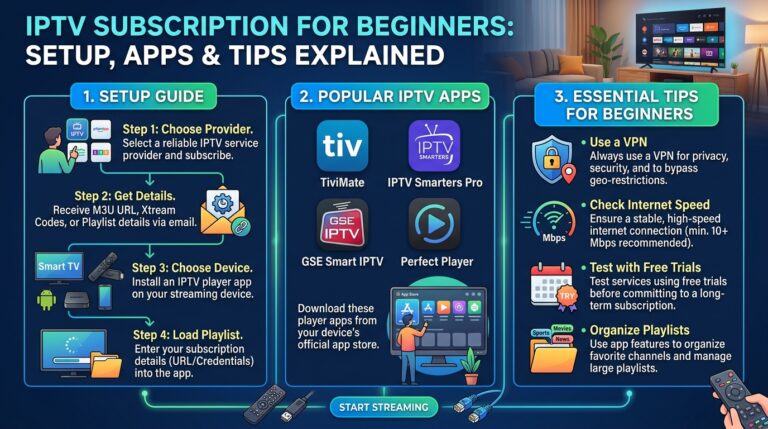
First, you’ll need an IPTV player app. Popular choices include IPTV Smarters, TiviMate, and Smart IPTV. These apps act as the interface where you’ll access your channels and content.
After installing the app, you’ll be prompted to enter your subscription details. This could be:
- An M3U playlist URL
- Xtream Codes API (username, password, server URL)
Once entered, the app will load your channel list and VOD library. This process usually takes a few seconds to a minute, depending on the size of the content.
From there, you can explore features like EPG (TV guide), favorites, and search. Many apps allow customization, letting you organize channels and create a personalized viewing experience.
For the best performance, consider using a wired internet connection or a strong Wi-Fi signal. This reduces buffering and ensures smoother playback.
Setting up IPTV is less about technical skill and more about following simple steps. And once it’s done, you’ll have a powerful entertainment system at your fingertips.
Best Devices for IPTV Streaming
Your IPTV experience is only as good as the device you’re using. Even the best subscription can feel underwhelming if your hardware can’t keep up. That’s why choosing the right device is just as important as picking the right provider.
Modern IPTV supports a wide range of devices, each with its own strengths. Some prioritize performance, while others focus on convenience and portability. The key is finding what fits your lifestyle.
For home entertainment, larger screens and dedicated streaming devices offer the best experience. On the other hand, mobile devices provide flexibility for on-the-go viewing.
Processing power, storage, and app compatibility all play a role. Devices with better specs handle streaming more efficiently, reducing lag and improving overall quality.
Investing in a good device isn’t just about performance—it’s about enjoying your content without interruptions.
Smart TVs and Android Boxes
Smart TVs are one of the most convenient ways to access IPTV. Many modern TVs come with built-in app stores, allowing you to download IPTV players directly. This eliminates the need for extra hardware.
However, not all smart TVs are equal. Some have limited app support or slower processors, which can affect performance. This is where Android TV boxes come in.
Android boxes are like mini-computers for your TV. They offer better performance, more app options, and greater customization. Devices like NVIDIA Shield or generic Android boxes provide a smoother and more flexible IPTV experience.
They also support advanced features like voice control, casting, and external storage. If you’re serious about IPTV, an Android box is often the better choice.
Firestick, Smartphones, and PCs
If you’re looking for affordability and flexibility, the Amazon Firestick is a लोकप्रिय choice. It’s compact, easy to use, and supports most IPTV apps. Setup is quick, making it ideal for beginners.
Smartphones and tablets offer unmatched portability. You can watch content anywhere, anytime. While the screen size is smaller, the convenience is hard to beat.
PCs and laptops provide a more traditional viewing experience. They’re great for multitasking and often handle streaming effortlessly.
Each device has its place. The best choice depends on how and where you plan to watch your content.
IPTV Apps You Need to Know About
Once you’ve managed to get an IPTV subscription, the next piece of the puzzle is choosing the right app to actually watch your content. Think of IPTV apps as the “player” that brings everything to life. Without a good app, even the best subscription can feel clunky and frustrating.
There are dozens of IPTV apps out there, but not all are worth your time. The best ones combine smooth performance, intuitive design, and powerful features like EPG support, recording, and multi-screen viewing. Choosing the right app can completely transform your experience from average to exceptional.
Most IPTV apps don’t host content themselves—they simply act as a bridge between your subscription and your device. This means you can switch apps without changing your provider, giving you flexibility to experiment and find what works best.
Another thing to consider is device compatibility. Some apps work better on Android devices, while others are optimized for smart TVs or iOS. It’s worth testing a couple of options to see which one feels the most natural to use.
User interface plays a bigger role than you might think. A clean layout, fast navigation, and responsive controls make a huge difference, especially when you’re browsing through hundreds or thousands of channels.
At the end of the day, the right IPTV app should feel effortless. You shouldn’t have to think about how to use it—it should just work.
Popular IPTV Players
There are a handful of IPTV players that consistently stand out, and for good reason—they deliver reliable performance and user-friendly experiences. If you’re new to IPTV, starting with one of these is a safe bet.
IPTV Smarters Pro is one of the most widely used apps. It supports both M3U playlists and Xtream Codes, making it compatible with most providers. Its interface is clean and beginner-friendly, which is perfect if you’re just getting started.
TiviMate is another favorite, especially among advanced users. It offers a sleek interface, powerful customization options, and excellent EPG integration. Many users describe it as the closest thing to a premium cable experience—but with far more flexibility.
Smart IPTV (SIPTV) is popular for smart TVs, particularly Samsung and LG models. While it may require a one-time activation fee, it’s known for stability and simplicity.
Here’s a quick comparison:
| App Name | Best For | Key Features |
|---|---|---|
| IPTV Smarters | Beginners | Easy setup, multi-device support |
| TiviMate | Advanced users | Customization, premium features |
| Smart IPTV | Smart TVs | Stable, simple interface |
Some apps also offer premium versions with additional features like recording, multi-view, and parental controls. While free versions are often sufficient, upgrading can enhance your experience significantly.
Choosing the right player is like choosing the right remote—it shapes how you interact with everything else.
How to Configure IPTV Apps
Configuring an IPTV app might sound technical, but it’s actually one of the easiest parts of the process. Once you’ve done it once, it becomes second nature. The key is understanding the two most common setup methods.
The first method uses an M3U playlist URL. This is essentially a link provided by your IPTV service that contains all your channels and content. You simply paste this link into your app, and it loads everything automatically.
The second method involves Xtream Codes API. This requires three pieces of information:
- Server URL
- Username
- Password
This method is often faster and more organized, especially for apps like IPTV Smarters and TiviMate.
After entering your details, the app will sync with the server and display your content. This includes live channels, VOD libraries, and sometimes even catch-up TV.
From there, you can customize your experience. Create favorite channel lists, adjust video settings, and enable subtitles if needed. Many apps also allow you to tweak buffering settings for smoother playback.
If something doesn’t work right away, don’t panic. Double-check your login details and ensure your internet connection is stable. Most issues are minor and easily fixable.
Setting up your IPTV app is like unlocking a door—once you’re in, everything becomes accessible.
Common Problems and How to Fix Them
Even with the best setup, IPTV isn’t completely immune to issues. The good news? Most problems are easy to fix once you understand what’s causing them. Instead of getting frustrated, it helps to approach these hiccups like minor speed bumps rather than roadblocks.
The most common issues users face include buffering, login errors, and missing channels. These can stem from a variety of factors—your internet connection, the IPTV provider, or even the app you’re using.
What’s important is knowing that these problems are rarely permanent. With a few adjustments, you can usually get everything running smoothly again.
Buffering Issues
Buffering is the number one complaint among IPTV users, and for good reason—it disrupts the entire viewing experience. But here’s the thing: buffering isn’t always the provider’s fault.
Start by checking your internet speed. If it’s below the recommended level, upgrading your plan or reducing network congestion can help. Streaming over Wi-Fi? Try moving closer to your router or switching to a wired connection.
Another common cause is server overload. If too many users are streaming at the same time, performance can drop. This is why choosing a high-quality provider matters.
You can also adjust settings within your IPTV app. Increasing buffer size or enabling adaptive streaming can reduce interruptions.
Sometimes, the simplest fix works—restart your device or router. It’s surprising how often this resolves issues.
Login and Playlist Errors
Login issues can be frustrating, especially when you’re eager to start watching. These usually happen due to incorrect credentials or expired subscriptions.
Double-check your username, password, and server URL. Even a small typo can prevent access. If everything looks correct, contact your provider to confirm your account status.
Playlist errors can occur if your M3U link is outdated or temporarily unavailable. In such cases, refreshing the link or requesting a new one often solves the problem.
Keeping your app updated is also important. Older versions may not support newer configurations.
Most of these issues are quick fixes. Once resolved, you can get back to enjoying your content without further interruptions.
Conclusion
Getting an IPTV subscription isn’t just about cutting the cord—it’s about upgrading how you experience entertainment. From live TV and on-demand content to multi-device streaming and global access, IPTV offers a level of flexibility that traditional services simply can’t match.
The key to a great experience lies in making informed choices. Pick a reliable provider, ensure your setup is solid, and use the right apps and devices. When everything comes together, IPTV becomes more than just a service—it becomes your personalized entertainment hub.
FAQs
1. What internet speed do I need for IPTV?
For smooth streaming, you’ll need at least 15 Mbps for HD and 25–50 Mbps for 4K content. A stable connection is just as important as speed.
2. Can I use IPTV on multiple devices?
Yes, many IPTV providers offer multi-device support. However, the number of simultaneous streams depends on your subscription plan.
3. Do I need a VPN for IPTV?
A VPN isn’t always required, but it can improve privacy and help bypass regional restrictions in some cases.
4. How much does an IPTV subscription cost?
Prices vary, but most subscriptions range between $10 and $20 per month, depending on features and content.
5. Is IPTV better than Netflix or other streaming services?
IPTV and platforms like Netflix serve different purposes. IPTV focuses on live TV and broader channel access, while Netflix specializes in original and on-demand content.