Article Outline (Tree Hierarchy)
- H1: IPTV Subscription for Beginners: Setup, Apps & Tips Explained 2026
- H2: What is IPTV and How Does It Work?
- H3: Traditional TV vs IPTV
- H3: Types of IPTV Services
- H2: Why IPTV is Growing in Popularity in 2026
- H3: Cost Advantages Over Cable
- H3: Flexibility and Global Content Access
- H2: IPTV Subscription for Beginners: What You Need to Get Started
- H3: Internet Requirements
- H3: Compatible Devices
- H2: How to Choose the Best IPTV Subscription
- H3: Key Features to Look For
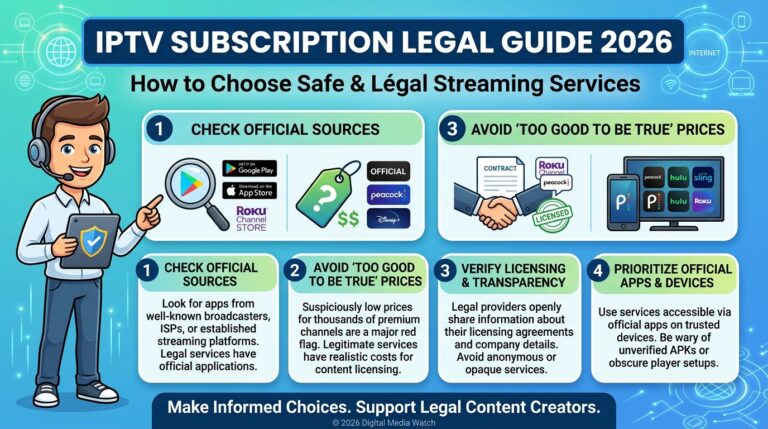
- H3: Red Flags to Avoid
- H2: Best IPTV Apps for Beginners in 2026
- H3: Free vs Paid IPTV Apps
- H3: Top Recommended Apps
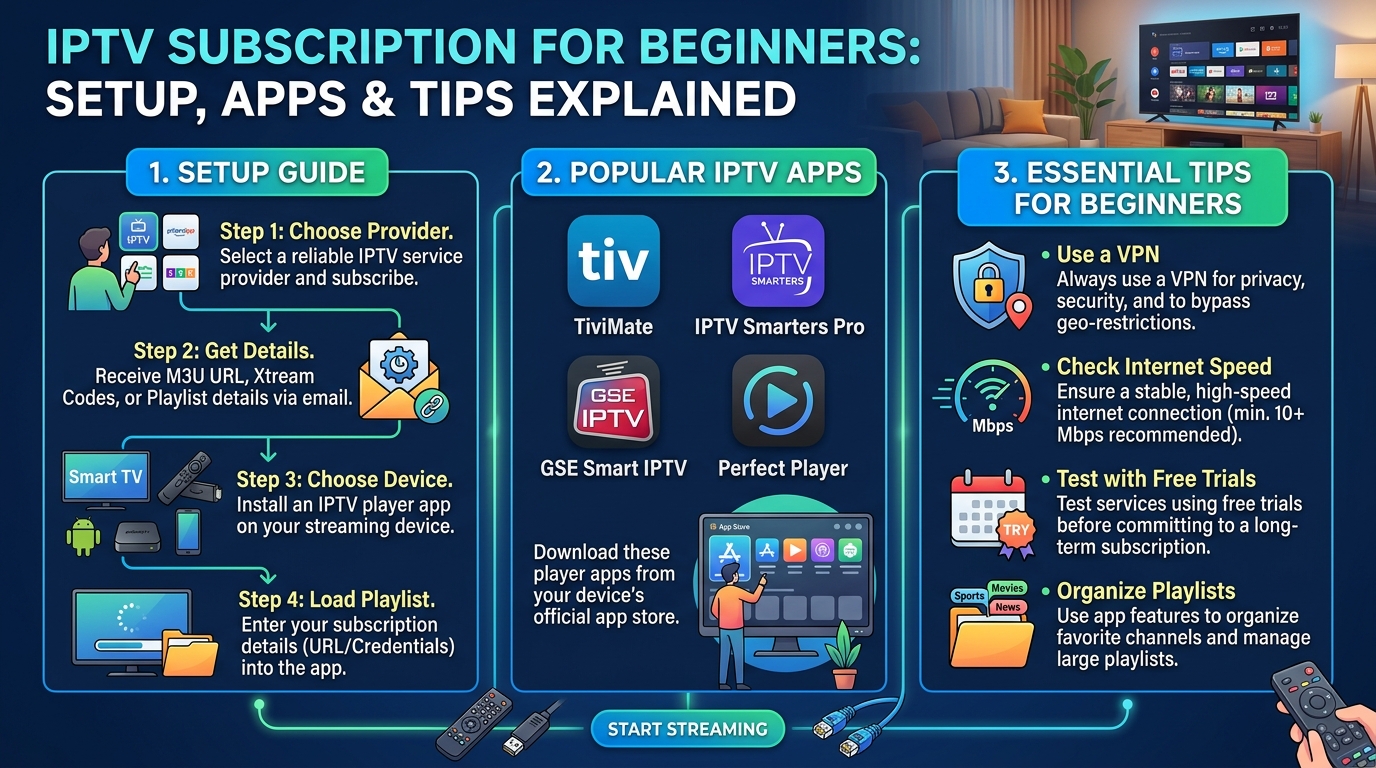
- H2: Step-by-Step Guide to Setting Up IPTV
- H3: Installation Process
- H3: Adding IPTV Playlist or URL
- H2: Common IPTV Problems and How to Fix Them
- H3: Buffering Issues
- H3: Login and Playback Errors
- H2: IPTV Tips for Beginners to Improve Experience
- H3: Using VPN with IPTV
- H3: Optimizing Streaming Quality
- H2: Is IPTV Legal and Safe to Use?
- H2: Conclusion
- H2: FAQs
- H2: What is IPTV and How Does It Work?
IPTV Subscription for Beginners: Setup, Apps & Tips Explained 2026
What is IPTV and How Does It Work?
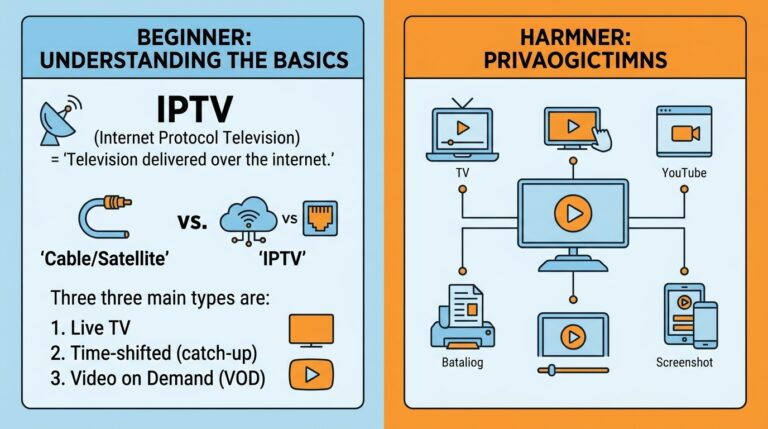
If you’ve ever wondered how people are streaming thousands of live TV channels without a cable box, you’re already brushing up against the world of IPTV (Internet Protocol Television). At its core, IPTV is exactly what it sounds like—television content delivered over the internet instead of traditional cable or satellite signals. But that simple definition barely scratches the surface of what makes IPTV so powerful and appealing in 2026.
Instead of broadcasting programs through antennas, satellite dishes, or fiber cables in a fixed schedule, IPTV streams content directly through your internet connection. This means you can watch what you want, when you want, and on almost any device you own. Think of it like Netflix—but instead of just movies and series, you also get live TV channels, sports events, and even international programming from across the globe.
The magic behind IPTV lies in how data is transmitted. Rather than sending all channels simultaneously like traditional cable, IPTV only sends the specific content you request. This makes it far more efficient and customizable. You’re not stuck flipping through hundreds of channels you never watch—you can dive straight into what interests you.
What makes IPTV particularly attractive for beginners is its accessibility. You don’t need expensive hardware or complicated installations. A decent internet connection, a compatible device, and a subscription are often enough to get started. As streaming technology continues to evolve, IPTV has become smoother, faster, and more user-friendly than ever before.
Traditional TV vs IPTV
Let’s break this down in a way that actually matters to you as a beginner. Traditional TV works like a one-way street. The provider decides what’s playing and when, and you just tune in. IPTV flips that completely. It’s more like an interactive highway where you choose your route.
With cable or satellite TV, you’re locked into packages that often include channels you don’t care about. IPTV subscriptions, on the other hand, typically offer customizable channel lists, including niche content like international sports, regional news, or specialty entertainment.
Another big difference is device flexibility. Traditional TV usually ties you to a television set. IPTV? You can watch on your smartphone, tablet, laptop, smart TV, or even a streaming stick. That kind of freedom is hard to ignore, especially in a world where people are constantly on the move.
Quality is another key factor. Many IPTV services now support HD, Full HD, and even 4K streaming, provided your internet can handle it. Compare that with cable services that often compress signals, and you start to see why IPTV is winning over so many users.
Types of IPTV Services
Not all IPTV services are created equal, and understanding the different types can save you a lot of confusion later. Generally, IPTV falls into three main categories.
The first is Live IPTV, which is exactly what it sounds like—live television channels streamed in real time. This includes sports, news, and live events. It’s the closest replacement for traditional TV.
Next, you have Video on Demand (VOD). This works similarly to streaming platforms like Netflix or Amazon Prime. You choose what you want to watch from a library of movies and shows, and play it instantly.
Finally, there’s Time-Shifted Media, which lets you watch previously aired content. Missed a football match or a favorite show? No problem—you can catch up later without needing to record anything.
Understanding these types helps you choose the right IPTV subscription for beginners, because not all providers offer the same mix of services. Some focus heavily on live TV, while others excel in VOD libraries.
Why IPTV is Growing in Popularity in 2026
The rise of IPTV isn’t just a trend—it’s a full-blown shift in how people consume entertainment. In 2026, more users than ever are ditching traditional cable and embracing internet-based streaming. But what’s really driving this massive change?
One major factor is control. People are tired of rigid schedules and overpriced bundles. IPTV hands that control back to the user. You decide what to watch, when to watch it, and how you access it. That level of flexibility feels almost essential in today’s fast-paced digital world.
Another reason is the explosion of global content. With IPTV, you’re no longer limited to local channels. Want to watch UK sports, US shows, or Asian dramas? It’s all accessible with the right subscription. This global reach is something traditional TV simply can’t compete with.
Then there’s the technology itself. Internet speeds have dramatically improved worldwide, making high-quality streaming more reliable. According to recent data, global average internet speeds have surpassed 100 Mbps in many regions, which is more than enough for smooth 4K IPTV streaming.
Cost Advantages Over Cable
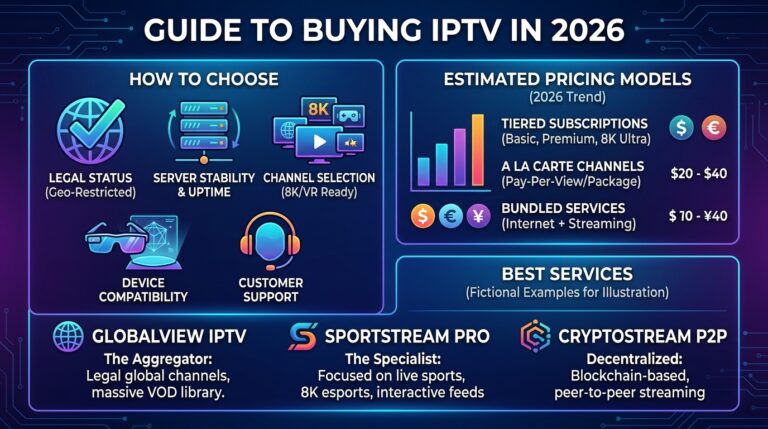
Let’s talk money, because that’s often the tipping point for beginners. Traditional cable subscriptions can easily cost anywhere between $70 to $150 per month, depending on your package. IPTV services? Many start as low as $10 to $20 per month.
That’s a massive difference, especially when you consider that IPTV often includes more channels and features. You’re essentially getting more value for less money. For families or individuals trying to cut down on monthly expenses, this alone makes IPTV incredibly appealing.
There are also fewer hidden fees. Cable providers are notorious for adding installation charges, equipment rental fees, and long-term contracts. IPTV services are usually straightforward—pay for your subscription, and you’re good to go.
Flexibility and Global Content Access
Imagine being able to watch your favorite sports team while traveling abroad, or catching international news channels without expensive add-ons. That’s the kind of flexibility IPTV offers.
You’re not tied to a single location or device. Whether you’re at home, on a train, or in a hotel room, your content travels with you. All you need is an internet connection.
This global accessibility also opens up a whole new world of entertainment. From niche documentaries to foreign films, IPTV makes it easier than ever to explore content beyond your local market.
IPTV Subscription for Beginners: What You Need to Get Started
Starting with IPTV isn’t complicated, but there are a few essentials you’ll need to ensure a smooth experience. The good news? Most of these are things you probably already have.
First and foremost, you need a reliable internet connection. IPTV relies entirely on streaming, so your connection speed plays a huge role in performance. For standard definition, around 10 Mbps might suffice, but for HD and 4K streaming, you’ll want at least 25–50 Mbps.
Next comes your device. IPTV is incredibly versatile when it comes to compatibility. You can use a smart TV, Android box, Amazon Fire Stick, smartphone, tablet, or even a laptop. This flexibility is one of the reasons IPTV is so beginner-friendly.
You’ll also need an IPTV app or player. These apps act as the interface where you load your subscription and browse channels. Some popular options include IPTV Smarters, TiviMate, and Smart IPTV.
Internet Requirements
Your internet connection is the backbone of your IPTV experience. Without a stable connection, even the best subscription will feel frustrating.
Speed isn’t the only factor—stability matters just as much. A connection that frequently drops or fluctuates can cause buffering, lag, and interruptions. That’s why many experienced users recommend using a wired Ethernet connection instead of Wi-Fi when possible.
If multiple devices are using the same network, you may need higher bandwidth to avoid slowdowns. Streaming IPTV while someone else is gaming or downloading large files can impact performance.
Compatible Devices
One of the best things about IPTV is that it doesn’t lock you into a single device ecosystem. Whether you’re an Android fan, an Apple user, or somewhere in between, there’s a solution for you.
Here’s a quick comparison:
| Device Type | Ease of Use | Performance | Best For |
|---|---|---|---|
| Smart TV | High | Good | Beginners |
| Fire Stick | Very High | Excellent | Streaming lovers |
| Android Box | Medium | Excellent | Advanced users |
| Smartphone | High | Good | On-the-go viewing |
Choosing the right device depends on your comfort level and how you plan to watch content.
How to Choose the Best IPTV Subscription
Choosing the right IPTV subscription for beginners can feel a bit like walking into a massive buffet for the first time—everything looks tempting, but not everything is worth your plate. With hundreds of providers flooding the market in 2026, the real challenge isn’t finding a service; it’s finding one that actually delivers what it promises without headaches later on.
The first thing you want to understand is that not all IPTV services are equal in quality or reliability. Some providers focus heavily on live sports, while others prioritize massive video-on-demand libraries. Before you even look at pricing, think about your viewing habits. Are you someone who watches live TV daily, or do you prefer binge-watching movies and series? That answer alone will narrow down your options significantly.
Another crucial aspect is server stability. A service might advertise thousands of channels, but if those channels buffer every five minutes, it quickly becomes unusable. Reliable IPTV providers invest in strong servers and offer consistent uptime, often above 99%. Many reputable services even offer free trials or 24-hour test lines—take advantage of those before committing.
Customer support is often overlooked but becomes incredibly important when something goes wrong. A provider that responds quickly to issues can save you hours of frustration. Look for services that offer live chat, email support, or even Telegram/Discord communities where users actively share updates and fixes.
Key Features to Look For
When evaluating an IPTV service, there are a few features that genuinely separate a good provider from a mediocre one. Instead of chasing the highest number of channels, focus on quality and usability.
A solid IPTV subscription should include:
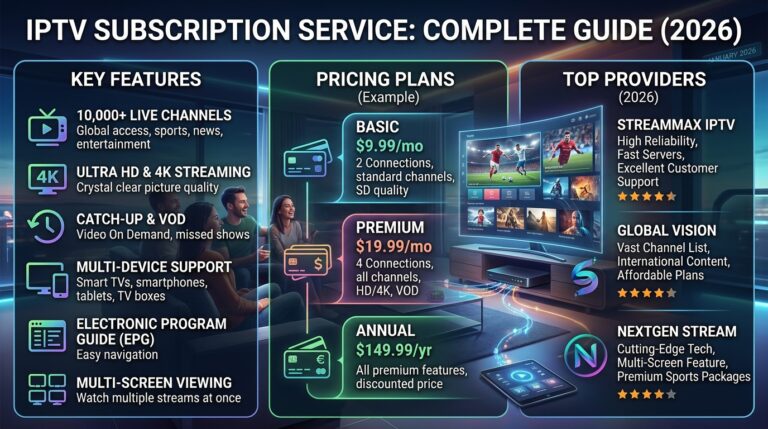
- Electronic Program Guide (EPG): This acts like a TV schedule, helping you navigate channels easily.
- VOD Library: Access to movies and TV shows on demand.
- Multi-device support: Ability to use your subscription on multiple devices.
- Anti-freeze technology: Reduces buffering and lag.
- HD/4K streaming options: For a premium viewing experience.
These features might sound technical at first, but they directly impact your daily experience. Imagine trying to browse hundreds of channels without a guide—it’s frustrating. Or watching a match that keeps freezing during critical moments—it ruins the experience entirely.
Red Flags to Avoid
While there are excellent IPTV services out there, there are also plenty of unreliable ones. Spotting red flags early can save you money and stress.
Be cautious if a provider:
- Promises “lifetime subscriptions” at extremely low prices
- Has no trial option or demo
- Lacks any form of customer support
- Provides vague or incomplete information about their service
If something feels too good to be true, it usually is. A trustworthy IPTV provider will be transparent about what they offer and won’t pressure you into quick decisions.
Best IPTV Apps for Beginners in 2026
Once you’ve got your subscription, the next step is choosing the right app to actually watch your content. Think of IPTV apps as the bridge between your subscription and your screen. Without a good app, even the best IPTV service can feel clunky and difficult to use.
In 2026, IPTV apps have become more polished and user-friendly than ever. Many of them come with sleek interfaces, customizable layouts, and advanced playback features. For beginners, the goal is to find an app that’s simple enough to navigate but powerful enough to enhance your viewing experience.
Different apps cater to different devices. Some work best on Android TV or Fire Stick, while others are optimized for smartphones or smart TVs. The key is to choose one that aligns with your device and comfort level.
Free vs Paid IPTV Apps
This is a common question: should you go for a free app or invest in a paid one? The answer depends on how serious you are about your IPTV experience.
Free apps are a great starting point. They allow you to explore IPTV without spending extra money, and many of them offer decent functionality. However, they often come with limitations such as ads, fewer customization options, or occasional bugs.
Paid apps, on the other hand, typically offer a smoother and more polished experience. You get features like advanced EPG support, recording options, multi-screen viewing, and better performance overall. For many users, the small one-time fee or subscription cost is well worth it.
Top Recommended Apps
Here are some of the most popular IPTV apps in 2026 that beginners consistently find easy to use:
| App Name | Platform | Key Feature | Pricing |
|---|---|---|---|
| IPTV Smarters | Android, iOS | Beginner-friendly UI | Free/Paid |
| TiviMate | Android TV | Advanced customization | Paid |
| Smart IPTV | Smart TVs | Simple setup | One-time fee |
| GSE Smart IPTV | Multi-platform | Versatile playback | Free/Paid |
Each of these apps has its own strengths, but they all share one thing in common—they make IPTV accessible, even if you’ve never used it before.
Step-by-Step Guide to Setting Up IPTV
Getting started with IPTV might sound technical, but in reality, it’s surprisingly straightforward. Once you break it down into simple steps, the process becomes almost effortless—even for complete beginners.
The first step is installing your chosen IPTV app. Depending on your device, this could mean downloading it from the Google Play Store, Apple App Store, or sideloading it onto a Fire Stick. Most apps come with clear instructions, so you won’t feel lost during installation.
After installing the app, you’ll need to log in using the credentials provided by your IPTV service. This usually includes a username, password, and server URL or an M3U playlist link. These details act as your key to accessing the content.
Installation Process
The installation process varies slightly depending on your device, but the overall idea remains the same. You download the app, install it, and open it.
For example, on a Fire Stick, you might need to enable apps from unknown sources before installing certain IPTV players. On a smart TV, you can usually find compatible apps directly in the app store.
Once installed, take a moment to explore the interface. Familiarizing yourself with the layout will make everything else easier.
Adding IPTV Playlist or URL
This is where the magic happens. After opening your app, you’ll typically see an option to add a playlist or login details.
There are two common methods:
- M3U Playlist URL: A link provided by your IPTV service
- Xtream Codes API: Username, password, and server URL
Once entered, the app will load your channels, movies, and shows. Depending on the size of the library, this might take a few seconds.
After everything loads, you’re ready to start watching. It’s that simple.
Common IPTV Problems and How to Fix Them
Even the best IPTV setups can run into occasional issues. The good news? Most problems are easy to fix once you understand what’s causing them.
One of the most common complaints is buffering. Nothing ruins a viewing experience faster than constant interruptions, especially during live events.
Another issue beginners often face is login errors or channels not loading. These can be frustrating, but they’re usually caused by simple mistakes or temporary server issues.
Buffering Issues
Buffering is often linked to your internet connection. If your speed drops or your network becomes unstable, streaming quality suffers.
Here are a few ways to reduce buffering:
- Use a wired Ethernet connection instead of Wi-Fi
- Close background apps using bandwidth
- Restart your router regularly
- Choose a lower streaming quality if needed
Sometimes, the issue isn’t on your end. If the IPTV server is overloaded, you may experience buffering regardless of your internet speed.
Login and Playback Errors
Login issues usually stem from incorrect credentials or expired subscriptions. Double-check your username, password, and server URL before assuming something is broken.
Playback errors can also occur if your app isn’t updated or compatible with your device. Keeping everything up to date can prevent many of these problems.
IPTV Tips for Beginners to Improve Experience
Once you’ve got everything set up, a few smart tweaks can take your IPTV experience from average to excellent. These tips might seem small, but they make a noticeable difference over time.
Using VPN with IPTV
A VPN (Virtual Private Network) is often recommended for IPTV users. It adds a layer of privacy and can help bypass regional restrictions.
Think of it as a tunnel that protects your online activity while also giving you access to content that might be blocked in your region. Many experienced users consider a VPN essential, especially when using certain IPTV services.
Optimizing Streaming Quality
Getting the best picture quality isn’t just about having a fast internet connection. It’s also about optimizing your setup.
Adjusting settings within your IPTV app, choosing the right server, and ensuring your device isn’t overloaded can all improve performance. Even small changes—like repositioning your router—can have a noticeable impact.
Is IPTV Legal and Safe to Use?
This is one of the most frequently asked questions, and the answer isn’t completely black and white. IPTV technology itself is perfectly legal. Many legitimate services use it to deliver content over the internet.
The issue arises with certain providers that stream copyrighted content without proper licensing. Using such services can fall into a legal gray area depending on your country’s regulations.
From a safety perspective, sticking to reputable providers and using tools like VPNs can reduce risks. Always do your research before subscribing to any service.
Conclusion
Getting started with IPTV subscription for beginners in 2026 is easier than ever, but making the most of it comes down to understanding the basics and making smart choices. From selecting a reliable provider to choosing the right app and optimizing your setup, every step plays a role in shaping your experience.
IPTV isn’t just a replacement for traditional TV—it’s an upgrade. It gives you control, flexibility, and access to a world of content that was once out of reach. With the right approach, you can transform how you watch television entirely.
FAQs
1. What is the best IPTV subscription for beginners?
The best IPTV subscription depends on your needs, but beginners should look for services with free trials, good support, and stable servers.
2. Do I need a fast internet connection for IPTV?
Yes, at least 25 Mbps is recommended for smooth HD streaming, while 50 Mbps or more is ideal for 4K content.
3. Can I use IPTV on multiple devices?
Many IPTV services support multiple devices, but this depends on the provider’s policy.
4. Is IPTV better than Netflix?
They serve different purposes. IPTV offers live TV and channels, while Netflix focuses on on-demand content.
5. Do I need technical skills to set up IPTV?
Not at all. Most apps are beginner-friendly, and setup usually takes just a few minutes.