
Article Outline: IPTV Subscription Legal — What You Must Know Before Streaming
- H1: IPTV Subscription Legal — Everything You Need to Know
- H2: What Is IPTV and How Does It Work?
- H3: Traditional TV vs IPTV Explained
- H3: Types of IPTV Services Available Today
- H2: Is IPTV Legal or Illegal? The Core Answer
- H3: Legal IPTV Services Explained
- H3: Illegal IPTV Services and Red Flags
- H2: Laws Governing IPTV Around the World
- H3: IPTV Regulations in the United States
- H3: IPTV Laws in Europe and the UK
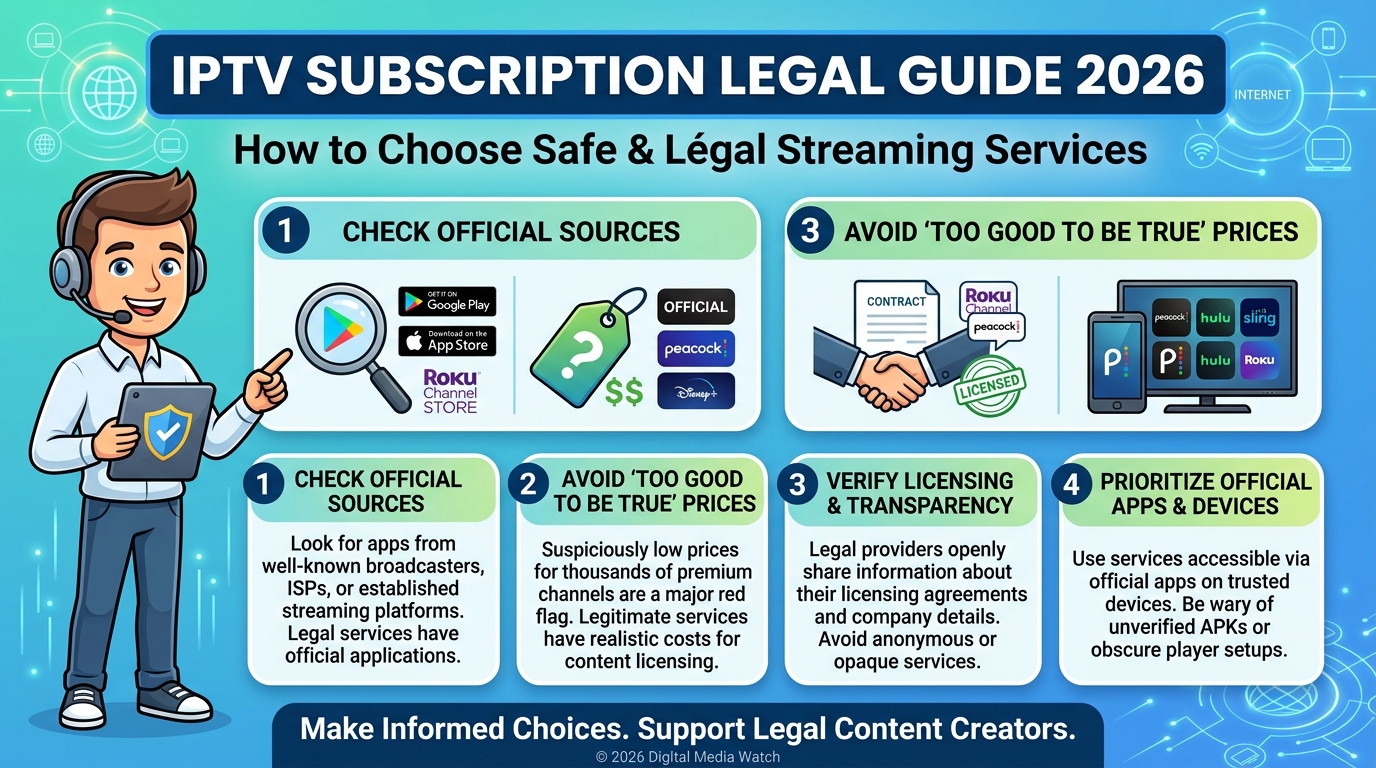
- H2: How to Identify a Legal IPTV Subscription
- H3: Licensing and Content Rights
- H3: Pricing, Transparency, and Trust Signals
- H2: Risks of Using Illegal IPTV Services
- H3: Legal Consequences for Users
- H3: Security and Privacy Risks
- H2: Benefits of Choosing Legal IPTV Services
- H3: Better Quality and Reliability
- H3: Customer Support and Service Guarantees
- H2: Popular Legal IPTV Providers in 2026
- H3: Subscription Costs Comparison Table
- H2: Final Thoughts on IPTV Subscription Legal Issues
- H2: FAQs About IPTV Subscription Legal
- H2: What Is IPTV and How Does It Work?
IPTV Subscription Legal — Everything You Need to Know
What Is IPTV and How Does It Work?
IPTV, short for Internet Protocol Television, has completely reshaped the way people consume media. Instead of relying on traditional satellite signals or cable connections, IPTV delivers television content through internet networks. Think of it like Netflix or YouTube—but with live TV channels, on-demand shows, and sometimes even premium sports content bundled together. The concept is simple, but the implications, especially around legality, are where things get complicated.
At its core, IPTV works by transmitting video data in packets over the internet. This means your device—whether it’s a smart TV, smartphone, or streaming box—receives content in real time or on demand without needing physical infrastructure like coaxial cables. This flexibility has made IPTV incredibly popular worldwide. According to recent industry estimates, the global IPTV market is expected to surpass $150 billion by 2026, reflecting its rapid adoption.
But here’s where people often get confused: not all IPTV services operate under the same legal framework. While some providers have proper licenses and distribution rights, others operate in gray or outright illegal zones. The difference isn’t always obvious at first glance, especially when both types of services may look polished and professional.
Understanding how IPTV works is the first step toward understanding its legal landscape. When you subscribe to an IPTV service, you’re essentially paying for access to content streams. If those streams are authorized by content owners—like TV networks or studios—the service is legal. If not, you’re stepping into risky territory.
So, before diving into subscriptions that promise “thousands of channels for a few dollars,” it’s worth asking: where is this content coming from, and does the provider actually have the rights to distribute it?
Traditional TV vs IPTV Explained
Traditional television and IPTV might seem similar on the surface—they both deliver shows, movies, and live broadcasts—but the way they function is dramatically different. Traditional TV relies on broadcasting signals via satellite or cable infrastructure. It’s a one-way system: the provider sends signals, and you receive them. There’s little flexibility beyond what’s scheduled or recorded.
IPTV, on the other hand, is interactive and customizable. It uses your internet connection to stream content, allowing for features like pause, rewind, video-on-demand, and even personalized recommendations. It’s more like browsing a digital library than flipping through channels. This shift has made IPTV especially appealing to younger audiences who prefer control over what they watch and when they watch it.
From a legal standpoint, this difference matters more than you might think. Traditional broadcasters typically operate under strict licensing agreements enforced by regulatory bodies. IPTV providers, however, can be set up by almost anyone with technical know-how, which opens the door for both legitimate businesses and unauthorized operators.
Another key distinction lies in distribution rights. Cable companies usually negotiate region-specific licenses, meaning content availability is tightly controlled. IPTV services can bypass these geographic restrictions—legally if they have global rights, or illegally if they don’t. That’s why you might find IPTV subscriptions offering channels from multiple countries at suspiciously low prices.
The takeaway here is simple: IPTV offers more freedom and convenience, but that same flexibility creates opportunities for misuse. As a user, understanding this difference helps you make smarter, safer choices when selecting a service.
Types of IPTV Services Available Today
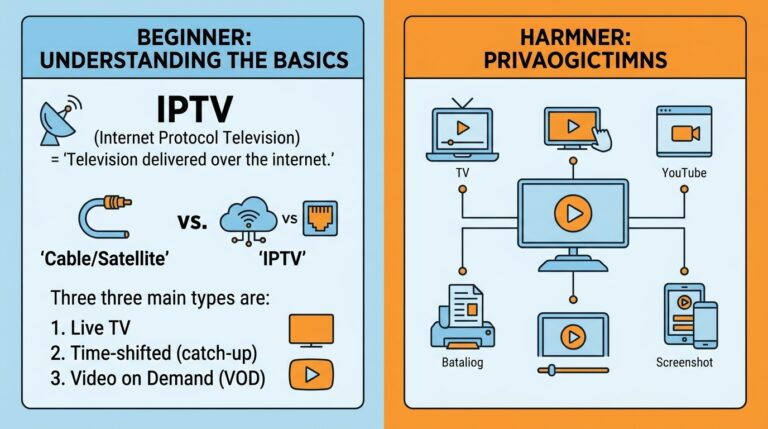
Not all IPTV services are created equal, and understanding the different types can help you spot which ones are likely to be legal and which ones might raise red flags. Broadly speaking, IPTV services fall into three main categories: live TV streaming, video on demand (VOD), and time-shifted media.
Live TV IPTV services function much like traditional broadcasting but are delivered over the internet. Examples include platforms like Hulu + Live TV or YouTube TV. These services are typically legal because they have agreements with networks to stream their channels. They often come with higher subscription costs, reflecting the licensing fees involved.
Video on Demand services, such as Netflix or Amazon Prime Video, allow users to watch content whenever they want. These platforms invest heavily in licensing and original content, making them fully legal and widely trusted. They’re also transparent about pricing, content libraries, and terms of service.
Time-shifted IPTV is a bit different. It lets users watch previously aired content, often through features like catch-up TV. While this can be legal, it depends heavily on whether the provider has permission to redistribute that content after its original broadcast.
Then there’s a fourth, less-discussed category: unverified IPTV services. These are often marketed through social media or third-party websites, offering thousands of channels—including premium sports and pay-per-view events—for a fraction of the cost. These services are where legality becomes questionable. In most cases, they do not hold proper licenses, making them illegal in many jurisdictions.
The challenge for users is that unverified services often mimic legitimate ones in design and user experience. They may even offer apps and customer support, creating a false sense of legitimacy. That’s why it’s crucial to look beyond surface-level features and dig deeper into how the service operates.
Understanding these categories not only helps you navigate the IPTV landscape but also protects you from potential legal and security risks down the line.
Is IPTV Legal or Illegal? The Core Answer
The legality of IPTV isn’t a simple yes-or-no situation—it lives in a gray zone that depends entirely on how the service operates and whether it holds proper licensing agreements. At a high level, IPTV as a technology is completely legal. There’s nothing inherently wrong with streaming television over the internet. In fact, most major streaming platforms today rely on IPTV infrastructure in one form or another. The real issue arises when services distribute content without permission from the rightful owners.
A legal IPTV service pays for the rights to stream channels, movies, or shows. These agreements are often expensive and heavily regulated, which is why legitimate platforms tend to have higher subscription costs. On the flip side, illegal IPTV providers bypass these agreements entirely. They capture and redistribute content without authorization, often offering massive channel lineups for unbelievably low prices. If it sounds too good to be true, it usually is.
Here’s where it gets tricky for users: many illegal IPTV services are designed to look professional. They may have sleek websites, apps, and even customer support. But behind the scenes, they operate without legal rights, putting both the provider and the user at risk. In several countries, authorities have begun cracking down not just on providers but also on users who knowingly access pirated streams.
So, is IPTV legal? Yes—but only when the provider has the proper rights and licenses. Without that, it crosses into illegal territory, regardless of how polished or popular the service might appear.
Legal IPTV Services Explained
Legal IPTV services operate within a structured ecosystem where content rights, licensing agreements, and regulatory compliance are all strictly enforced. These platforms negotiate directly with broadcasters, studios, and content creators to secure the right to distribute their material. This is why services like YouTube TV, Sling TV, and Hulu Live come with clear pricing models and transparent terms of use.
One hallmark of legal IPTV providers is their openness. They clearly state which channels or content libraries are included, where they’re licensed to operate, and how user data is handled. You’ll also find them available through official app stores like Google Play, Apple App Store, or Amazon Fire TV. That’s not just convenience—it’s a layer of accountability.
Another important factor is content quality and reliability. Legal providers invest heavily in infrastructure, ensuring stable streams, high-definition video, and minimal buffering. They also offer features like DVR storage, multiple device support, and parental controls. These aren’t just perks—they’re indicators of a service that operates above board.
Pricing is often the biggest giveaway. Legal IPTV services typically range from $20 to $80 per month, depending on the package. While that may seem expensive compared to some alternatives, it reflects the cost of licensing and maintaining a legitimate operation.
Choosing a legal IPTV service isn’t just about avoiding trouble—it’s about getting a better overall experience. You’re paying for reliability, quality, and peace of mind, which, in the long run, often outweighs the temptation of cheaper, riskier options.
Illegal IPTV Services and Red Flags
Illegal IPTV services are surprisingly easy to stumble upon, especially if you’re searching for affordable streaming options. They often advertise thousands of channels, premium sports events, and pay-per-view content for a fraction of the cost charged by legitimate providers. That alone should raise eyebrows.
One of the biggest red flags is pricing that seems unrealistically low. If a service offers access to global channels and exclusive content for, say, $10 a month—or even a one-time lifetime fee—it’s almost certainly operating without proper licenses. Content rights are expensive, and no legitimate business can sustain such pricing legally.
Another warning sign is the lack of transparency. Illegal IPTV providers rarely disclose their licensing agreements or company details. Their websites may be vague, with limited contact information or generic email addresses. Payment methods can also be suspicious, often involving cryptocurrencies or untraceable transactions.
You might also notice that these services are not available on official app stores. Instead, users are asked to sideload apps or use third-party players. While this isn’t inherently illegal, it does increase the risk of malware or data breaches. In fact, cybersecurity experts have repeatedly warned that many illegal IPTV apps come bundled with malicious software designed to steal personal information.
Here’s a quick comparison to make things clearer:
| Feature | Legal IPTV | Illegal IPTV |
|---|---|---|
| Licensing | Fully licensed | No authorization |
| Pricing | Moderate to high | Extremely low |
| Availability | App stores | Third-party downloads |
| Security | सुरक्षित and regulated | High risk |
| Reliability | Stable streams | Frequent outages |
Spotting these red flags early can save you from legal trouble and potential cybersecurity headaches. It’s not just about what you’re watching—it’s about how safely and legally you’re accessing it.
Laws Governing IPTV Around the World
IPTV laws vary significantly across countries, but one trend is clear: governments are tightening regulations and increasing enforcement. As streaming becomes the dominant form of media consumption, authorities are paying closer attention to how content is distributed and consumed.
In general, most countries have strict copyright laws that apply to IPTV just as they do to traditional broadcasting. Unauthorized distribution of copyrighted material is illegal, and penalties can range from fines to imprisonment. What’s changed in recent years is the focus on users, not just providers. Some jurisdictions now hold consumers accountable if they knowingly access illegal streams.
International cooperation has also increased. Agencies from different countries often work together to shut down large-scale illegal IPTV networks. These operations can affect millions of users worldwide, leading to sudden service disruptions and legal consequences.
The rise of digital tracking technologies has made enforcement more effective. Authorities can now trace streaming activities, identify illegal providers, and even monitor user behavior in some cases. While enforcement varies, the overall direction is clear: the window for using illegal IPTV services without consequences is shrinking.
Understanding these global trends helps you see the bigger picture. IPTV isn’t just a local issue—it’s part of a worldwide effort to protect intellectual property and ensure fair distribution of content.
IPTV Regulations in the United States
In the United States, IPTV falls under federal copyright law, primarily governed by the Digital Millennium Copyright Act (DMCA). This legislation makes it illegal to distribute or access copyrighted content without permission. While early enforcement focused mainly on providers, recent cases have shown that users can also face consequences under certain circumstances.
Authorities have taken a strong stance against illegal IPTV operations. Several high-profile crackdowns have resulted in millions of dollars in fines and lengthy prison sentences for operators. In some cases, users have received warning notices from internet service providers (ISPs), especially when their activity is linked to known illegal streams.
Another layer of regulation comes from the Federal Communications Commission (FCC), which oversees broadcasting standards and licensing. While the FCC doesn’t directly regulate all IPTV services, it plays a role in shaping the broader media landscape.
Streaming platforms in the U.S. are also required to comply with content distribution agreements and regional licensing restrictions. This is why certain shows or channels may only be available in specific areas. Legal IPTV providers adhere to these rules, while illegal ones often ignore them entirely.
For users, the safest approach is simple: stick to verified services available through official channels. It’s not just about legality—it’s about avoiding unnecessary risks in an increasingly monitored digital environment.
IPTV Laws in Europe and the UK
Europe and the UK have taken an aggressive stance against illegal IPTV, often leading the charge in enforcement efforts. The European Union Intellectual Property Office (EUIPO) and national agencies work closely to combat piracy, including unauthorized IPTV services. In the UK, the Digital Economy Act has been a key tool in prosecuting offenders.
One notable trend in Europe is the targeting of both providers and users. Authorities have conducted raids, seized servers, and even issued fines to individuals who subscribed to illegal IPTV services. In some cases, users have received letters demanding payment for accessing pirated content.
Internet service providers in the UK and parts of Europe also play a role by blocking access to known illegal IPTV websites. These blocks are often court-ordered and regularly updated, making it harder for such services to operate openly.
Another interesting development is the use of advanced tracking technologies. Law enforcement agencies can monitor streaming patterns and identify illegal networks more efficiently than ever before. This has led to a significant decline in some large-scale piracy operations.
For consumers, the message is becoming increasingly clear: using illegal IPTV services is no longer a low-risk activity. With stricter laws and better enforcement, the chances of facing consequences are higher than they were just a few years ago.
How to Identify a Legal IPTV Subscription
Choosing a legal IPTV subscription can feel like navigating a maze, especially when so many services look similar on the surface. But once you know what to look for, the differences become much clearer. The key lies in evaluating transparency, licensing, and overall credibility rather than just focusing on price or channel count.
A legitimate IPTV provider will always be upfront about its operations. You’ll typically find detailed information about the company, including a physical address, customer support channels, and clear terms of service. These aren’t just formalities—they’re indicators that the business is operating within legal frameworks. If a website feels vague or avoids specifics, that’s often a warning sign.
Another strong indicator is availability on official platforms. Legal IPTV apps are usually listed on trusted marketplaces like the Apple App Store, Google Play Store, or Amazon Appstore. These platforms have strict policies that require compliance with copyright laws, so being listed there adds an extra layer of legitimacy.
User reviews also tell a story, but you have to read between the lines. Authentic reviews often mention reliability, customer service, and consistent performance. On the other hand, suspicious services may have overly generic or excessively positive reviews that don’t discuss real user experiences.
Finally, consider how the service markets itself. Legal providers emphasize quality, features, and content partnerships. Illegal ones tend to focus on “unlimited access” or “all premium channels for cheap”—phrases that should immediately raise questions. When you approach IPTV subscriptions with a critical eye, it becomes much easier to separate trustworthy services from risky ones.
Licensing and Content Rights
At the heart of IPTV legality lies one critical factor: content licensing. This is the backbone of the entire streaming ecosystem, yet it’s often overlooked by everyday users. Licensing determines whether a provider has the legal authority to distribute specific channels, shows, or movies. Without it, the entire operation is essentially unauthorized.
Think of licensing as a chain of permission. Content creators—like film studios, sports leagues, and TV networks—own the rights to their material. IPTV providers must negotiate agreements to legally stream that content to viewers. These agreements often include geographic restrictions, duration limits, and revenue-sharing models. That’s why a show available in one country might not be accessible in another.
Legal IPTV services invest heavily in these agreements. It’s a costly process, but it ensures compliance and protects both the provider and the user. This is also why legitimate subscriptions are rarely “cheap.” You’re paying not just for access, but for the rights behind that access.
Illegal IPTV services, by contrast, bypass this entire system. They capture content from legitimate sources and redistribute it without permission. While this might seem like a shortcut, it exposes users to significant risks. Authorities can trace these streams, and in some cases, even identify subscribers.
If you’re ever unsure about a service, ask yourself a simple question: where is this content coming from, and who authorized its distribution? If there’s no clear answer, that’s a strong indication that the service may not be operating legally.
Pricing, Transparency, and Trust Signals
Pricing is often the first thing people look at when choosing an IPTV subscription, but it’s also one of the most revealing indicators of legality. Legitimate services have pricing structures that reflect the real cost of licensing, infrastructure, and customer support. This usually places them in a moderate to premium range.
When you come across a service offering thousands of channels, including premium sports and movies, for a few dollars a month, it’s worth questioning how that’s even possible. The reality is simple: it’s not sustainable without cutting legal corners. These low prices are often used to attract users quickly before the service disappears or gets shut down.
Transparency goes hand in hand with pricing. Legal IPTV providers clearly outline what you’re paying for—channel lists, features, supported devices, and subscription terms. They also provide secure payment options, such as credit cards or reputable payment gateways. Illegal services, on the other hand, often rely on less traceable methods like cryptocurrency or gift cards.
Trust signals extend beyond pricing and payment. Look for things like professional website design, active customer support, and consistent branding. While these alone don’t guarantee legality, their absence can be a red flag. It’s also helpful to check whether the service has partnerships with recognized media companies or appears in industry discussions.
In short, a legal IPTV subscription doesn’t try to hide anything. It operates like a legitimate business because that’s exactly what it is.
Risks of Using Illegal IPTV Services
Using illegal IPTV services might seem like a harmless shortcut to access premium content, but the risks go far beyond what most people expect. These risks aren’t just theoretical—they’re increasingly real as governments and cybersecurity experts crack down on unauthorized streaming.
One of the most immediate concerns is service instability. Illegal IPTV providers often operate without proper infrastructure, leading to buffering, downtime, and sharp service shutdowns. Imagine paying for a subscription only to find it gone overnight with no refund or support—that’s a common scenario.
Then there’s the issue of data security. Many of these services require you to install third-party apps or provide personal information. Without proper safeguards, your data can be exposed or even sold. Cybersecurity reports have highlighted cases where illegal IPTV apps contained malware designed to steal login credentials or financial details.
Another overlooked risk is the lack of accountability. If something goes wrong—whether it’s a billing issue or a technical problem—you have no real recourse. There’s no customer service hotline, no official dispute process, and no guarantee of continued access.
What starts as a way to save money can quickly turn into a frustrating and potentially costly experience. The risks aren’t just about legality—they’re about reliability, security, and peace of mind.
Legal Consequences for Users
Many people assume that only IPTV providers face legal consequences, but that assumption is becoming increasingly outdated. In several countries, users who knowingly access illegal streams can also be held accountable. While enforcement varies, the trend is clearly shifting toward stricter oversight.
In some cases, users receive warning notices from their internet service providers. These notices may include details about the suspected illegal activity and instructions to stop. Repeated violations can lead to penalties, including fines or even temporary suspension of internet services.
More serious cases can involve legal action. Authorities have begun targeting large networks of users, especially those connected to major illegal IPTV operations. While individual prosecutions are still relatively rare, they’re becoming more common as tracking technologies improve.
Another consequence is indirect but equally impactful: financial loss. If an illegal IPTV service is shut down, users lose access immediately, often without refunds. Considering that many of these services require upfront payments, the losses can add up quickly.
The legal landscape is evolving, and what might have seemed like a low-risk activity a few years ago is now under much closer scrutiny. Staying on the right side of the law isn’t just about avoiding trouble—it’s about adapting to a changing digital environment.
Security and Privacy Risks
Beyond legal concerns, illegal IPTV services pose serious security and privacy risks that are often underestimated. When you use an unverified platform, you’re essentially trusting unknown operators with your data—and that’s a gamble.
Many illegal IPTV apps require sideloading, which bypasses the security checks of official app stores. This opens the door to malware, spyware, and other malicious software. Once installed, these programs can monitor your activity, collect personal information, or even gain access to your device’s files.
Payment security is another major issue. Without regulated payment systems, your financial information may not be protected. There have been instances where users reported unauthorized transactions after subscribing to suspicious IPTV services.
Even your viewing habits can be tracked and exploited. Some illegal providers collect user data to sell to third parties or use it for targeted scams. This turns what should be a private entertainment experience into a potential privacy breach.
Protecting yourself starts with choosing trusted services. It’s not just about what you watch—it’s about safeguarding your personal and financial information in an increasingly interconnected world.
Benefits of Choosing Legal IPTV Services
Choosing a legal IPTV service isn’t just about staying within the boundaries of the law—it’s about upgrading your entire viewing experience in ways that are often overlooked. When you opt for a legitimate provider, you’re essentially investing in quality, consistency, and long-term reliability rather than taking a gamble on something unstable.
One of the most noticeable benefits is streaming quality. Legal IPTV platforms deliver high-definition and even 4K content with minimal buffering. This isn’t accidental—it’s the result of robust infrastructure, optimized servers, and proper bandwidth management. You won’t find yourself constantly refreshing streams or dealing with sudden interruptions during a crucial sports moment or a gripping movie scene.
Another major advantage is content authenticity and updates. Legal services maintain accurate program schedules, regularly update their libraries, and ensure that what you’re watching is exactly what’s advertised. There’s no bait-and-switch, no missing channels, and no sharp disappearing content. Everything is structured and dependable.
User experience also plays a huge role. Legal IPTV providers offer intuitive interfaces, personalized recommendations, and seamless multi-device integration. Whether you’re watching on your smart TV, tablet, or phone, the transition feels natural and smooth. It’s like having a well-organized digital entertainment hub rather than a chaotic collection of streams.
Then there’s peace of mind. You don’t have to worry about legal notices, malware, or losing access overnight. That sense of security is hard to quantify, but it makes a big difference in how you enjoy your entertainment. Instead of constantly questioning whether your service will last, you can simply sit back and watch.
Better Quality and Reliability
When it comes to IPTV, quality and reliability aren’t just nice-to-have features—they’re the foundation of a satisfying experience. Legal IPTV services excel in this area because they operate with proper infrastructure, licensed content delivery networks, and dedicated technical teams.
Imagine watching a live football match and the stream suddenly freezes or drops. That’s a common issue with illegal IPTV services, which often rely on overloaded or unstable servers. Legal providers, on the other hand, invest in scalable systems that can handle millions of users simultaneously. This ensures smooth playback even during peak hours or major events.
Another aspect of reliability is consistent uptime. Legal IPTV platforms rarely go offline without notice. They have maintenance schedules, backup systems, and customer communication channels to keep users informed. Illegal services, by contrast, can disappear without warning, leaving users stranded.
Audio and video synchronization is another subtle but important factor. Legal services maintain proper encoding standards, ensuring that sound matches visuals perfectly. You might not notice it immediately, but once you experience poor synchronization, it becomes incredibly frustrating.
Even small details—like accurate subtitles, multiple language options, and adaptive streaming quality—contribute to a more polished experience. These are the kinds of features that legal providers prioritize because they’re accountable to their users.
In the end, reliability isn’t just about avoiding problems—it’s about creating a seamless, enjoyable viewing environment where everything works as expected.
Customer Support and Service Guarantees
Customer support is one of those things you don’t think about—until you need it. And when you do, the difference between legal and illegal IPTV services becomes glaringly obvious. Legal providers treat customer support as a core part of their business, offering multiple channels of assistance, clear policies, and service guarantees.
If you encounter an issue with a legal IPTV service, you can usually reach out through live chat, email, or even phone support. Responses are structured, professional, and aimed at resolving your problem efficiently. Whether it’s a billing question, a technical glitch, or a device compatibility issue, there’s a system in place to help you.
Service guarantees are another big plus. Many legal IPTV providers offer trial periods, refund policies, or satisfaction guarantees. This gives you the confidence to try the service without feeling locked in. It’s a sign that the company stands behind its product.
Illegal IPTV services, on the other hand, often lack any real support structure. You might find a Telegram group or a generic email address, but responses are inconsistent at best. If something goes wrong, you’re largely on your own.
There’s also a level of accountability that comes with legal services. They have reputations to maintain, regulations to follow, and customers to retain. This creates a feedback loop where user satisfaction directly influences service quality.
In practical terms, this means fewer headaches and more reliable assistance when you need it. It’s not just about fixing problems—it’s about knowing that help is available when things don’t go as planned.
Popular Legal IPTV Providers in 2026
As IPTV continues to grow, several providers have established themselves as trusted, legal options for viewers worldwide. These platforms combine licensed content, reliable infrastructure, and user-friendly features to deliver a complete streaming experience.
Some of the most recognized names include YouTube TV, Hulu + Live TV, Sling TV, and FuboTV. Each of these services offers a slightly different mix of channels, pricing, and features, catering to various audience preferences. For example, sports enthusiasts often gravitate toward FuboTV בגלל its extensive sports coverage, while budget-conscious users may prefer Sling TV’s customizable packages.
Internationally, platforms like BBC iPlayer, Hotstar (Disney+), and DAZN have also gained popularity, offering region-specific content with proper licensing. These services demonstrate how IPTV can be both flexible and fully compliant with legal standards.
What sets these providers apart is their commitment to transparency. They clearly outline their offerings, provide detailed channel lists, and maintain consistent pricing structures. You know exactly what you’re getting, which eliminates the uncertainty often associated with lesser-known services.
Another advantage is integration with other digital ecosystems. Many legal IPTV platforms sync with smart home devices, voice assistants, and streaming hardware, creating a seamless entertainment environment.
Here’s a quick comparison to give you a clearer picture:
Subscription Costs Comparison Table
| Provider | Monthly Cost (Approx.) | Key Features | Best For |
|---|---|---|---|
| YouTube TV | $72.99 | Unlimited DVR, 100+ channels | All-around use |
| Hulu + Live TV | $76.99 | Bundled with Disney+ & ESPN+ | Families |
| Sling TV | $40–$55 | Customizable packages | Budget users |
| FuboTV | $74.99 | Sports-focused channels | Sports fans |
| DAZN | $19.99–$29.99 | Live sports streaming | Boxing & MMA |
These prices may vary slightly depending on location and promotions, but they give a realistic idea of what legal IPTV services cost. While they may seem higher than illegal alternatives, they reflect the true value of licensed, high-quality content.
Final Thoughts on IPTV Subscription Legal Issues
Navigating the world of IPTV can feel overwhelming, especially when the line between legal and illegal services isn’t always obvious. But once you understand the key factors—licensing, transparency, pricing, and reliability—the picture becomes much clearer.
Legal IPTV services offer a stable, secure, and high-quality viewing experience backed by proper agreements and customer support. Illegal services, while tempting בגלל their low cost and extensive offerings, come with significant risks that often outweigh the benefits.
The decision ultimately comes down to what you value more: short-term savings or long-term reliability and peace of mind. As regulations tighten and enforcement becomes more sophisticated, the safer choice is increasingly the smarter one.
Choosing a legal IPTV subscription isn’t just about following the rules—it’s about making an informed decision that enhances your overall entertainment experience without unnecessary risks.
FAQs About IPTV Subscription Legal
1. Is IPTV legal in all countries?
IPTV as a technology is legal worldwide, but the legality of specific services depends on whether they have proper licensing. Some countries enforce stricter regulations than others, so it’s important to check local laws before subscribing.
2. Can I get in trouble for using illegal IPTV?
Yes, in some regions users can face warnings, fines, or other penalties for accessing unauthorized streams, especially if done knowingly.
3. How can I verify if an IPTV service is legal?
Look for transparency, official app store availability, clear pricing, and information about licensing. If these are missing, the service may not be legitimate.
4. Why are legal IPTV services more expensive?
They pay for content rights, maintain infrastructure, and provide customer support, all of which contribute to higher costs.
5. Are free IPTV services legal?
Some free IPTV services are legal, especially those supported by ads or public broadcasting. However, many free options operate without licenses, so caution is necessary.