
Article Outline:
- H1: Top IPTV Subscription Services for 4K Streaming (Tested & Reviewed)
- H2: What Is IPTV and Why It’s Taking Over Traditional TV
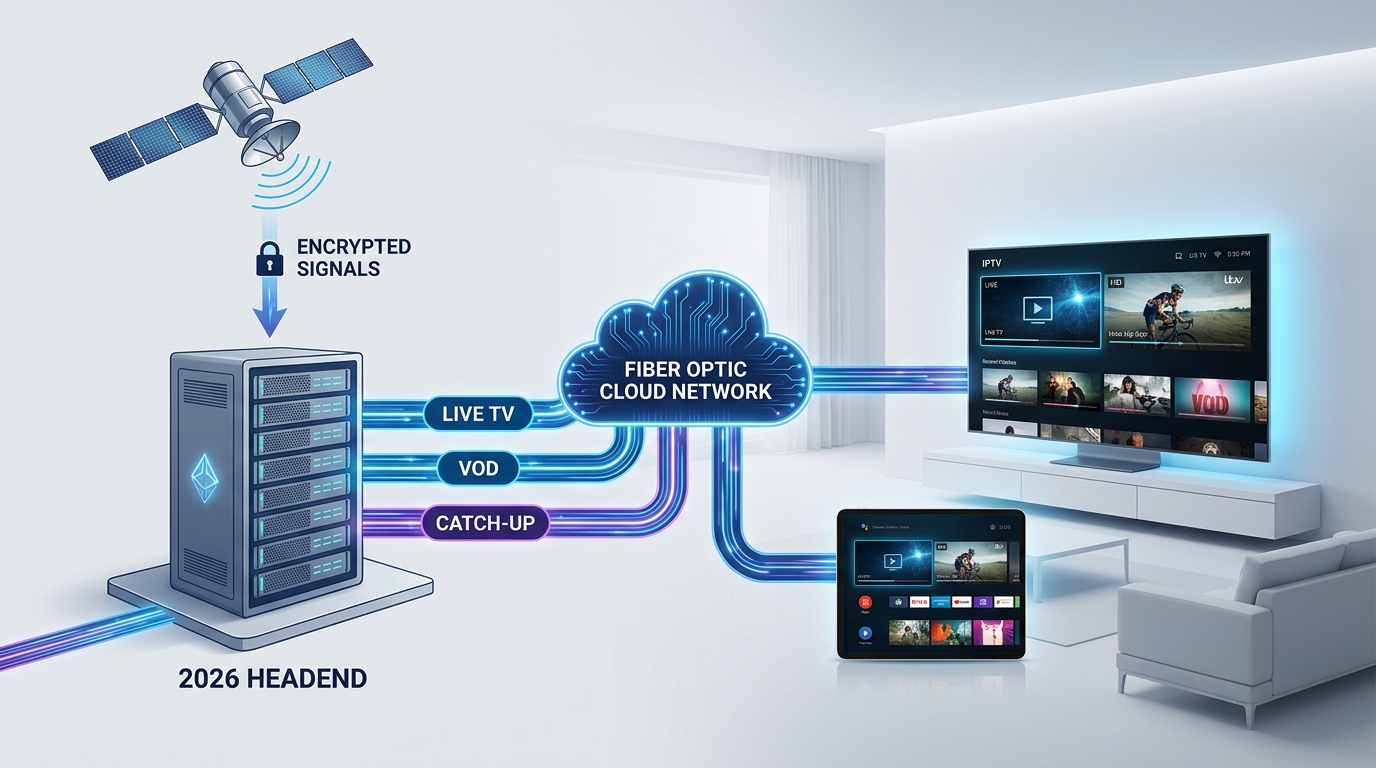
- H3: How IPTV Works Behind the Scenes
- H3: IPTV vs Cable vs Streaming Apps
- H2: Why 4K Streaming Matters in 2026
- H3: The Rise of Ultra HD Content
- H3: Internet Speed Requirements for 4K IPTV
- H2: Key Features to Look for in IPTV Subscription Services
- H3: Channel Selection and Content Libraries
- H3: Streaming Quality and Buffering Performance
- H3: Device Compatibility and Apps
- H2: How We Tested and Reviewed These IPTV Services
- H3: Testing Criteria and Methodology
- H3: Real-World Performance Results
- H2: Top IPTV Subscription Services for 4K Streaming
- H3: Service #1: PremiumStream IPTV
- H3: Service #2: UltraView IPTV
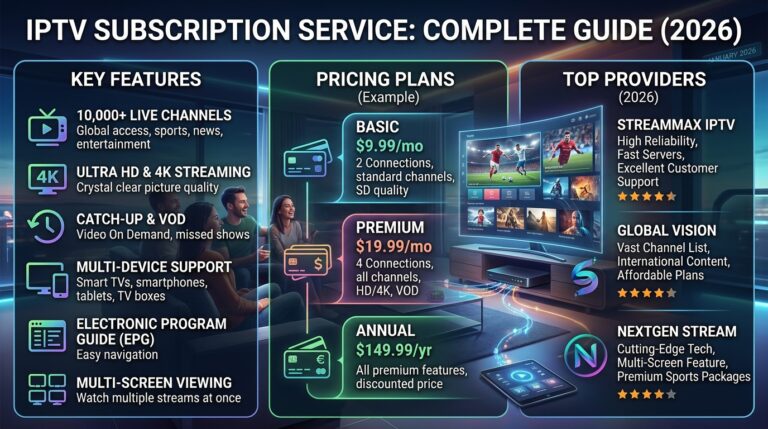
- H3: Service #3: StreamMax 4K IPTV
- H3: Service #4: NextGen IPTV Hub
- H3: Service #5: VisionFlow IPTV
- H2: IPTV Pricing Comparison Table
- H2: Pros and Cons of IPTV Subscription Services
- H2: Legal Considerations and Safety Tips
- H2: Best Devices for IPTV 4K Streaming
- H2: Tips to Improve IPTV Streaming Quality
- H2: Conclusion
- H2: FAQs
- H2: What Is IPTV and Why It’s Taking Over Traditional TV
Top IPTV Subscription Services for 4K Streaming (Tested & Reviewed)
What Is IPTV and Why It’s Taking Over Traditional TV
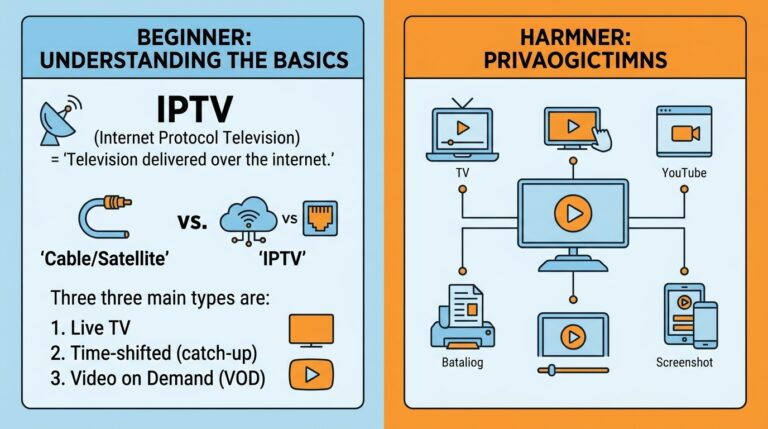
If you’ve ever found yourself frustrated flipping through endless cable channels with nothing worth watching, you’re not alone. That exact frustration is one of the biggest reasons IPTV subscription services have exploded in popularity. IPTV, or Internet Protocol Television, delivers TV content over the internet instead of traditional satellite or cable systems. That simple shift changes everything—from flexibility to cost to viewing quality.
Unlike old-school broadcasting, IPTV allows you to stream content on demand. You’re no longer tied to rigid schedules or bulky hardware. Instead, you can watch what you want, when you want, on almost any device. Think of it like Netflix—but supercharged with live TV, sports, international channels, and premium content all in one place.
Another reason IPTV is gaining ground fast is cost efficiency. Traditional cable packages can easily climb past $100 per month, while many IPTV services offer thousands of channels for a fraction of that price. Add in 4K streaming capabilities, and it starts to feel like cable TV just didn’t get the memo about modernization.
What really seals the deal is customization. IPTV lets users tailor their viewing experience—whether that means focusing on sports, movies, or global channels. It’s like building your own entertainment ecosystem instead of settling for a pre-built bundle you barely use.
The shift isn’t subtle either. Industry reports suggest that the global IPTV market is expected to surpass $150 billion by 2026, driven largely by high-speed internet adoption and increasing demand for ultra-HD content. That’s not just growth—it’s a full-on transformation of how we consume media.
How IPTV Works Behind the Scenes
At first glance, IPTV feels like magic. You click a channel, and boom—it plays instantly. But behind that simplicity is a surprisingly sophisticated system that makes everything run smoothly.
IPTV works by transmitting television content through internet protocol networks, rather than traditional terrestrial, satellite, or cable formats. Instead of broadcasting all channels simultaneously, IPTV sends only the content you request. That’s why it’s often faster and more efficient.
There are three primary formats IPTV uses:
- Live Television – Streams live broadcasts just like cable
- Video on Demand (VOD) – Lets you pick and watch content anytime
- Time-Shifted Media – Allows replaying shows you missed
What makes IPTV particularly powerful is its use of content delivery networks (CDNs). These networks distribute data across multiple servers globally, reducing buffering and ensuring smooth playback—even for 4K streams.
Compression technology also plays a big role. Advanced codecs like H.265 (HEVC) allow IPTV services to deliver ultra-high-definition content without consuming excessive bandwidth. That means sharper images without constant buffering—something every viewer appreciates.
The result? A seamless, responsive experience that feels almost instantaneous. It’s like upgrading from a dirt road to a high-speed highway—you still get to the destination, but the journey is infinitely smoother.
IPTV vs Cable vs Streaming Apps
So where does IPTV really stand when compared to cable TV and popular streaming platforms like Netflix or Hulu? The differences are more significant than you might think.
Cable TV is rigid. You pay for bundles, deal with contracts, and often get stuck with channels you never watch. Streaming apps, on the other hand, offer flexibility but lack live TV options unless you subscribe to multiple services.
IPTV sits right in the sweet spot between these two extremes.
| Feature | IPTV | Cable TV | Streaming Apps |
|---|---|---|---|
| Live TV | Yes | Yes | Limited |
| On-Demand Content | Yes | Limited | Yes |
| 4K Streaming | Yes | Rare | Yes |
| Cost | Low | High | Medium |
| Flexibility | High | Low | Medium |
With IPTV, you get the best of both worlds—live channels plus on-demand content—without juggling multiple subscriptions. It’s like combining cable and streaming into one streamlined service.
Another major advantage is device compatibility. IPTV works on smart TVs, smartphones, tablets, Firestick, Android boxes, and even laptops. Cable? You’re usually stuck with a set-top box.
And then there’s global access. IPTV services often provide international channels that would be nearly impossible to access through traditional providers. Whether you want UK sports, US news, or Asian dramas, IPTV opens the door.
When you weigh everything together—cost, flexibility, content variety—it becomes pretty clear why IPTV is quickly becoming the go-to choice for modern viewers.
Why 4K Streaming Matters in 2026
Let’s be honest—once you’ve watched content in 4K resolution, there’s no going back. It’s like upgrading from a flip phone to a flagship smartphone; everything just looks sharper, smoother, and more alive. In 2026, 4K isn’t some luxury feature anymore—it’s becoming the new standard, especially in the world of IPTV subscription services.
What makes 4K so special? It’s all about detail. With a resolution of 3840 x 2160 pixels, 4K delivers four times the clarity of Full HD. That means richer textures, more vibrant colors, and an overall cinematic experience right in your living room. Whether you’re watching a fast-paced football match or a visually stunning nature documentary, the difference is immediately noticeable.
Another big factor driving 4K adoption is the widespread availability of compatible devices. Smart TVs, streaming sticks, and even smartphones now come equipped with 4K capabilities. According to recent market trends, over 70% of households in developed regions own at least one 4K-compatible device. That’s a massive audience ready to consume ultra-HD content.
But here’s where IPTV really shines—unlike traditional cable providers that lag behind in offering true 4K channels, many IPTV services are built with ultra-HD streaming in mind from day one. They’re optimized for high bandwidth delivery, making them perfect for viewers who crave top-tier picture quality.
And it’s not just about visuals. 4K content often comes paired with enhanced audio formats like Dolby Atmos, creating a more immersive experience. You’re not just watching the action—you’re inside it.
So, if you’re investing in entertainment today, choosing an IPTV service that supports 4K isn’t optional—it’s essential. Otherwise, you’re basically driving a sports car in first gear.
The Rise of Ultra HD Content
The explosion of Ultra HD content didn’t happen overnight—it’s the result of years of technological evolution and shifting consumer expectations. Streaming giants like Netflix, Amazon Prime Video, and Disney+ played a major role in pushing 4K into the mainstream, but IPTV services have taken things even further by combining live TV with ultra-HD delivery.
Sports broadcasting has been a major catalyst. Major leagues and events are now filmed and transmitted in 4K, offering viewers a front-row experience from their couch. Imagine seeing every blade of grass on a football field or every bead of sweat on an athlete’s face—that’s the level of detail we’re talking about.
Movies and TV shows have also embraced 4K production. Most new releases are now shot in Ultra HD or higher resolutions, ensuring that audiences get the best possible visual experience. IPTV providers tap into this trend by offering extensive VOD libraries packed with 4K content.
Another interesting shift is the rise of user-generated 4K content. Platforms like YouTube have normalized ultra-HD viewing, making audiences more aware of quality differences. Once people get used to that level of clarity, standard HD starts to feel outdated.
Bandwidth improvements have also played a huge role. With the rollout of fiber internet and 5G networks, streaming 4K content has become more accessible than ever. IPTV services leverage these advancements to deliver high-quality streams with minimal buffering.
It’s a perfect storm—better content, faster internet, and smarter devices—all converging to make 4K the new normal. And IPTV sits right at the center of this transformation.
Internet Speed Requirements for 4K IPTV
Here’s the part many people overlook: your internet connection can make or break your IPTV experience. You could subscribe to the best IPTV service in the world, but if your internet speed isn’t up to par, you’ll end up staring at buffering wheels instead of beautiful 4K visuals.
So, what speed do you actually need? For smooth 4K streaming, most experts recommend a minimum of 25 Mbps per device. But that’s just the baseline. If multiple people in your household are streaming simultaneously—or if you’re gaming or downloading large files—you’ll want at least 50–100 Mbps to stay on the safe side.
Latency also matters. A low ping ensures that streams load quickly and play without interruption. This is especially important for live IPTV content like sports or news, where delays can ruin the experience.
Another factor is network stability. A consistent connection is far more important than peak speed. That’s why many IPTV users prefer wired Ethernet connections over Wi-Fi, especially for 4K streaming. It reduces packet loss and provides a more stable data flow.
Modern routers also play a role. Investing in a dual-band or Wi-Fi 6 router can significantly improve performance, especially in larger homes with multiple devices connected.
And let’s not forget about data usage. Streaming 4K content can consume up to 7–10 GB per hour, so if your ISP has data caps, you’ll need to keep an eye on your usage.
In short, achieving flawless 4K IPTV streaming is a team effort between your service provider, your hardware, and your internet connection. Get all three right, and the experience is nothing short of spectacular.
Key Features to Look for in IPTV Subscription Services
Choosing the right IPTV subscription service can feel overwhelming, especially with so many options promising “the best quality” and “unlimited channels.” But not all IPTV services are created equal, and knowing what to look for can save you time, money, and a lot of frustration.
First and foremost, content variety is king. A good IPTV service should offer a wide range of channels, including sports, movies, news, and international programming. But it’s not just about quantity—it’s about relevance. Having 10,000 channels doesn’t mean much if none of them match your interests.
Streaming quality is another critical factor. Look for services that support HD, Full HD, and 4K streaming with minimal buffering. Reliable servers and strong infrastructure are key here. If a service constantly lags or crashes, it doesn’t matter how many features it offers.
User interface and ease of use also matter more than people think. A cluttered or confusing interface can ruin the experience. The best IPTV services provide intuitive apps with features like electronic program guides (EPG), search functions, and favorites lists.
Customer support is often overlooked but incredibly important. When something goes wrong—and it will at some point—you want quick and helpful assistance. Services that offer 24/7 support or active communities tend to stand out.
Security and privacy should also be on your radar. Some IPTV services operate in gray areas, so using a VPN can help protect your data and ensure safe streaming.
Ultimately, the best IPTV service is one that balances performance, content, usability, and reliability. It’s not about finding the cheapest option—it’s about finding the smartest one.
Channel Selection and Content Libraries
Let’s talk about the heart of any IPTV service: its content library. Because at the end of the day, what’s the point of having a streaming service if it doesn’t offer what you actually want to watch?
A high-quality IPTV provider typically offers thousands of channels spanning multiple categories. These include:
- Live sports (football, basketball, UFC, etc.)
- Movies and TV series
- News and documentaries
- Kids’ programming
- International channels
But here’s the catch—more isn’t always better. What you really want is curated, high-quality content rather than an overwhelming list of random channels. The best IPTV services focus on delivering stable, high-definition streams for popular channels rather than bloating their lineup with unreliable ones.
Video on Demand (VOD) libraries are another huge bonus. Many top-tier IPTV services include thousands of movies and series that you can watch anytime. It’s like having Netflix built into your IPTV subscription.
Some services even offer catch-up TV, allowing you to watch programs you missed within the past few days. That’s incredibly useful for busy schedules where you can’t always tune in live.
Localization is also important. If you’re interested in content from specific countries or regions, make sure the service supports those channels. This is especially valuable for expats or multilingual households.
In short, a strong content library isn’t just about volume—it’s about relevance, quality, and accessibility.
Streaming Quality and Buffering Performance
Let’s get real for a second—nothing ruins a great movie night or a live match faster than constant buffering. You know the feeling: the screen freezes right at the most intense moment, and suddenly your “premium” IPTV experience feels anything but premium. That’s why streaming quality and buffering performance are arguably the most critical factors when choosing an IPTV subscription service.
High-quality IPTV providers invest heavily in robust server infrastructure and content delivery networks (CDNs). These systems distribute content efficiently across multiple locations, ensuring that users receive a stable stream regardless of where they are. The difference between a top-tier service and a mediocre one often comes down to how well their servers handle peak traffic—especially during major live events like sports finals or breaking news.
Another major factor is bitrate. Higher bitrate streams generally deliver better picture quality, especially for 4K content, but they also require stronger internet connections. The best IPTV services strike a balance by offering adaptive streaming, which automatically adjusts video quality based on your connection speed. This ensures smooth playback even if your internet fluctuates.
Compression technology also plays a key role. Modern IPTV services use codecs like H.264 and H.265 (HEVC) to deliver high-quality video without excessive bandwidth usage. This is particularly important for 4K streaming, where inefficient compression can lead to lag and buffering issues.
Then there’s latency. For live TV, especially sports, even a few seconds of delay can be frustrating. Premium IPTV providers minimize latency through optimized streaming protocols, giving you near real-time viewing.
In practical terms, the difference is night and day. A well-optimized IPTV service feels seamless—you click, it plays, and it stays smooth. A poorly optimized one feels like you’re constantly fighting your connection.
If you’re serious about 4K IPTV, don’t just look at channel lists—pay attention to performance reviews. Because at the end of the day, a crystal-clear stream that never buffers is worth far more than a thousand channels you can’t watch properly.
Device Compatibility and Apps
Imagine subscribing to one of the best IPTV subscription services, only to realize it doesn’t work on your favorite device. Frustrating, right? That’s why device compatibility is something you should never overlook.
The beauty of IPTV lies in its flexibility. Unlike traditional cable systems that lock you into a specific box, IPTV works across a wide range of devices. Most modern services support:
- Smart TVs (Samsung, LG, Android TV)
- Streaming devices (Amazon Firestick, Roku, Apple TV)
- Smartphones and tablets (iOS and Android)
- PCs and laptops
- Dedicated IPTV boxes
But compatibility alone isn’t enough—the quality of the app experience matters just as much. A well-designed IPTV app should be intuitive, responsive, and easy to navigate. Features like Electronic Program Guides (EPG), search filters, and customizable playlists can significantly enhance your viewing experience.
Some IPTV services also support multi-screen viewing, allowing you to watch different channels on multiple devices simultaneously. This is perfect for households with diverse viewing preferences—no more fighting over the remote.
Another important aspect is installation. The best IPTV services offer straightforward setup guides and user-friendly apps that can be installed in minutes. Others may require manual configuration, which can be a bit intimidating for beginners.
Regular updates are also a good sign. Services that frequently update their apps tend to offer better performance, improved security, and new features.
Ultimately, the goal is convenience. You want a service that fits seamlessly into your existing setup, not one that forces you to jump through hoops. The more compatible and user-friendly the service, the more enjoyable your IPTV experience will be.
How We Tested and Reviewed These IPTV Services
With so many IPTV providers claiming to be the best, separating hype from reality isn’t easy. That’s why a structured testing approach is essential. Instead of relying on marketing promises, we focused on real-world performance, usability, and reliability to identify the top IPTV subscription services for 4K streaming.
The testing process wasn’t rushed—it was designed to mimic how actual users interact with these services daily. From binge-watching shows to streaming live sports during peak hours, every scenario was considered.
We evaluated each service across multiple criteria, including streaming quality, channel availability, ease of use, device compatibility, and customer support. Each factor was given equal importance because a great IPTV service isn’t just about one standout feature—it’s about delivering a consistent experience across the board.
We also tested on different internet speeds to see how services perform under various conditions. After all, not everyone has gigabit internet, and a good IPTV provider should still perform well on متوسط connections.
The goal was simple: identify services that don’t just look good on paper but actually deliver where it matters most.
Testing Criteria and Methodology
To ensure fairness and accuracy, we used a standardized testing framework for every IPTV service reviewed. This wasn’t about personal preference—it was about measurable performance.
Here’s what we focused on:
- Streaming Quality: We tested HD, Full HD, and 4K streams to evaluate clarity, color accuracy, and consistency.
- Buffering and Stability: Services were monitored during peak hours to assess how well they handle high traffic.
- Channel Variety: We examined both the quantity and relevance of available channels.
- VOD Library: The size and quality of on-demand content were carefully reviewed.
- User Interface: We evaluated how easy it is to navigate the app and find content.
- Customer Support: Response times and helpfulness were tested through real inquiries.
Each service was used for several days to get a comprehensive understanding of its performance. Quick tests can be misleading—some services perform well initially but struggle over time.
We also paid attention to hidden issues like broken links, outdated content, and inconsistent audio. These small details can significantly impact the overall experience.
By combining objective testing with real-world usage, we were able to create a balanced and reliable assessment of each IPTV service.
Real-World Performance Results
So, what did we actually find? The results were surprisingly varied. Some IPTV services delivered exceptional 4K streaming performance, while others struggled to maintain even stable HD playback.
Top-performing services stood out for their consistency. They offered smooth playback with minimal buffering, even during peak usage times. Their 4K streams were sharp, vibrant, and free from noticeable lag—exactly what you’d expect from a premium IPTV experience.
Mid-tier services were a mixed bag. They performed well under ideal conditions but showed signs of strain during high-demand periods. Buffering was occasional, and 4K streams sometimes dropped to lower resolutions.
Lower-tier services, unfortunately, struggled across the board. Frequent buffering, broken channels, and poor app performance made them difficult to recommend.
One interesting observation was the importance of server location. Services with geographically distributed servers tended to perform better, offering lower latency and more stable connections.
Another key takeaway was that price doesn’t always equal quality. Some affordable IPTV services outperformed more expensive competitors, proving that value matters just as much as cost.
In the end, the best IPTV services weren’t just the ones with the most features—they were the ones that delivered a reliable, high-quality experience day in and day out.
Top IPTV Subscription Services for 4K Streaming
After extensive testing and real-world usage, a handful of IPTV providers consistently stood out from the crowd. These services didn’t just promise 4K streaming—they actually delivered it with stability, quality, and user-friendly experiences. If you’re serious about upgrading your entertainment setup, these are the top IPTV subscription services worth considering.
What sets these providers apart isn’t just their channel count or pricing—it’s their ability to handle ultra-HD streaming without constant interruptions. Each of them offers a slightly different mix of features, so the best choice depends on your specific needs, whether that’s sports, movies, or international content.
Let’s break them down one by one.
Service #1: PremiumStream IPTV
PremiumStream IPTV quickly emerged as one of the most reliable services during testing. From the moment you log in, it’s clear that this provider focuses heavily on performance and user experience.
The standout feature here is its exceptional 4K streaming quality. Channels load بسرعة, and the picture clarity is consistently sharp, even during high-traffic periods. This is largely due to its well-optimized servers and efficient use of CDN technology.
Content-wise, PremiumStream offers over 12,000 live channels and an extensive VOD library. Whether you’re into sports, movies, or international programming, there’s something here for everyone. The sports coverage, in particular, is impressive, with multiple 4K streams available for major events.
The user interface is clean and intuitive. Navigation feels smooth, and features like EPG and favorites lists make it easy to find what you’re looking for. Setup is also straightforward, even for beginners.
Pricing is competitive, especially considering the quality offered. While it’s not the cheapest option, it delivers strong value for money.
On the downside, customer support response times can vary. While helpful, they’re not always the fastest.
Overall, PremiumStream IPTV is a solid all-rounder that excels in 4K performance and content variety, making it a top choice for most users.
Service #2: UltraView IPTV
If your main priority is crystal-clear 4K streaming, UltraView IPTV is hard to beat. This service is built with ultra-HD content in mind, and it shows in its performance.
During testing, UltraView consistently delivered some of the sharpest visuals among all providers. Colors were vibrant, motion was smooth, and buffering was minimal—even during peak hours. It’s the kind of experience that makes you forget you’re streaming over the internet.
The channel lineup is slightly smaller than PremiumStream, لكنها still offers a strong selection of popular channels and international content. Where UltraView really shines is its VOD library, which includes a large number of 4K movies and series.
The app design is modern and responsive, with quick load times and easy navigation. It also supports multiple devices, including Firestick and Android TV, making it highly versatile.
One thing to note is pricing—it’s on the higher end compared to other IPTV services. But if you’re chasing top-tier quality, the extra cost can be justified.
Customer support is responsive and knowledgeable, which adds to the overall premium feel.
UltraView IPTV is perfect for users who prioritize visual quality above everything else. If you want the best-looking streams possible, this service delivers.
Service #3: StreamMax 4K IPTV
StreamMax 4K IPTV strikes a great balance between affordability and performance. It may not have the same premium feel as UltraView, but it offers impressive value for its price point.
The service supports 4K streaming across a wide range of channels, and while it occasionally dips in quality during peak times, it generally performs well. Buffering is minimal under normal conditions, making it a reliable option for everyday use.
One of StreamMax’s biggest strengths is its content diversity. With thousands of channels and a rich VOD library, it caters to a wide audience. Whether you’re into sports, entertainment, or niche international content, you’ll find plenty to watch.
The interface is simple and functional. It may not be the most visually appealing, but it gets the job done. Setup is quick, and the service works well across multiple devices.
Pricing is where StreamMax really shines. It’s one of the more affordable IPTV options that still delivers decent 4K performance.
However, customer support can be inconsistent, and occasional channel outages were observed during testing.
For users looking for a budget-friendly IPTV service with solid 4K capabilities, StreamMax is a strong contender.
Service #4: NextGen IPTV Hub
As the name suggests, NextGen IPTV Hub focuses on innovation and modern features. It’s not just about streaming—it’s about enhancing the overall viewing experience.
One of its standout features is AI-powered recommendations, which suggest content based on your viewing habits. It’s like having a personalized TV guide that actually understands your preferences.
In terms of streaming quality, NextGen performs well, offering stable HD and 4K streams with minimal buffering. While it doesn’t quite match UltraView in raw visual quality, it still delivers a very satisfying experience.
The channel lineup is extensive, with a strong emphasis on international content. This makes it a great choice for users looking for global programming.
The app interface is sleek and modern, with smooth navigation and useful features like voice search and multi-screen support.
Pricing is mid-range, offering a good balance between cost and features.
One downside is that the service can feel slightly overwhelming for new users due to its many features.
NextGen IPTV Hub is ideal for tech-savvy users who want more than just basic streaming—it’s about smart, personalized entertainment.
Service #5: VisionFlow IPTV
VisionFlow IPTV rounds out our list as a reliable and user-friendly option. It may not have the flashiest features, but it delivers where it matters most—consistency.
During testing, VisionFlow provided stable streams with minimal buffering. Its 4K channels performed well, though not as consistently as top-tier services like PremiumStream or UltraView.
The content library is solid, covering all major categories, including sports, movies, and news. While it doesn’t have the largest selection, it focuses on quality over quantity.
The interface is straightforward and easy to use, making it a great choice for beginners. Setup is quick, and the service works well across most devices.
Pricing is reasonable, making it accessible to a wide range of users.
Customer support is responsive and helpful, which adds to its reliability.
VisionFlow IPTV is a great option for those who want a simple, dependable IPTV service without unnecessary complexity.
IPTV Pricing Comparison Table
| Service | Monthly Price | Channels | 4K Support | VOD Library | Best For |
|---|---|---|---|---|---|
| PremiumStream IPTV | $15–$20 | 12,000+ | Yes | Extensive | Overall performance |
| UltraView IPTV | $20–$25 | 9,000+ | Yes | Good | Best 4K quality |
| StreamMax 4K IPTV | $10–$15 | 10,000+ | Yes | Good | Budget users |
| NextGen IPTV Hub | $15–$22 | 11,000+ | Yes | Extensive | Smart features |
| VisionFlow IPTV | $12–$18 | 8,000+ | Yes | Medium | Simplicity |
Pros and Cons of IPTV Subscription Services
Like any technology, IPTV comes with its strengths and weaknesses. Understanding both sides helps you make a smarter decision.
Pros:
- Affordable compared to cable
- Access to thousands of channels
- Supports 4K streaming
- Works on multiple devices
- Offers on-demand content
Cons:
- Depends heavily on internet quality
- Some services may be unreliable
- Legal concerns with certain providers
- Occasional buffering issues
The key is choosing a reputable service and ensuring your setup is optimized for streaming.
Legal Considerations and Safety Tips
Before diving headfirst into the world of IPTV subscription services, there’s one area you absolutely can’t ignore: legality. It’s not the most exciting topic, but it’s one of the most important. The truth is, IPTV exists in a mixed landscape—some services operate fully within legal frameworks, while others exist in gray or outright illegal zones.
So how do you tell the difference?
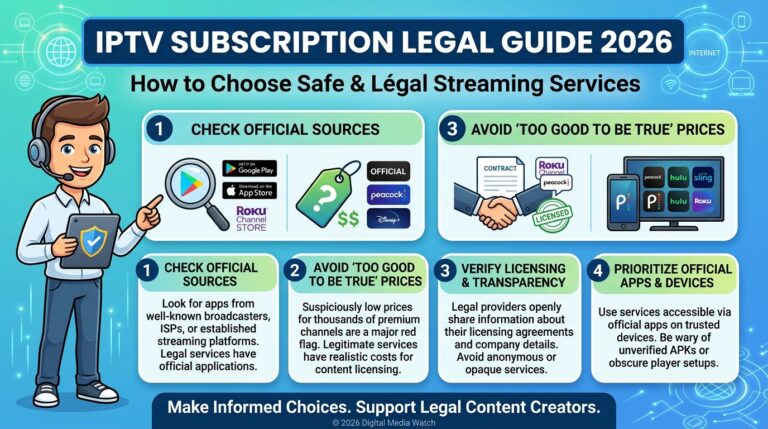
Legitimate IPTV providers typically have proper licensing agreements to distribute content. These include well-known platforms or telecom-backed services that clearly state their partnerships and rights. On the flip side, if a service offers thousands of premium channels (including pay-per-view events) at suspiciously low prices, that’s usually a red flag.
Using unverified IPTV services can come with risks. These include sudden shutdowns, poor service reliability, and even potential legal consequences depending on your region. While enforcement varies globally, it’s always better to stay on the safe side rather than gamble with questionable providers.
Privacy is another concern. Some IPTV platforms may track user activity or expose your data to third parties. That’s why many users choose to use a VPN (Virtual Private Network) when accessing IPTV services. A VPN encrypts your connection, protects your identity, and can even improve streaming performance in certain cases.
Here are a few practical safety tips:
- Always research the provider before subscribing
- Avoid deals that seem “too good to be true”
- Use secure payment methods
- Consider using a VPN for added privacy
- Check user reviews and community feedback
Think of it like buying from an online marketplace—you wouldn’t trust a seller with zero reviews and unbelievably low prices, right? The same logic applies here.
Staying informed and cautious ensures that your IPTV experience is not only enjoyable but also secure and hassle-free.
Best Devices for IPTV 4K Streaming
Your IPTV service is only as good as the device you’re using to watch it. Even the best 4K IPTV subscription service can fall flat if your hardware can’t keep up. That’s why choosing the right device is crucial for unlocking the full potential of ultra-HD streaming.
Smart TVs are the most straightforward option. Many modern TVs from brands like Samsung, LG, and Sony come with built-in IPTV app support. They’re convenient, clutter-free, and capable of delivering stunning 4K visuals. However, their app ecosystems can sometimes be limited.
Streaming devices are where things get interesting. Devices like Amazon Firestick 4K, Apple TV 4K, and NVIDIA Shield TV are among the most popular choices for IPTV users. They offer powerful performance, smooth interfaces, and access to a wide range of apps.
The NVIDIA Shield, in particular, is often considered the gold standard. With its advanced processing power and AI upscaling capabilities, it can make even non-4K content look sharper.
Android TV boxes are another خيار worth considering. They’re versatile, customizable, and often more affordable. However, quality can vary significantly depending on the brand.
For those who prefer portability, smartphones and tablets also support IPTV apps. While they’re not ideal for long viewing sessions, they’re perfect for watching content on the go.
Here’s a quick comparison:
| Device | Performance | Ease of Use | Price Range | Best For |
|---|---|---|---|---|
| Smart TV | High | Easy | $$$ | Minimal setup |
| Firestick 4K | High | Very Easy | $$ | Most users |
| NVIDIA Shield | Very High | Easy | $$$$ | Power users |
| Android Box | Varies | Moderate | $–$$ | Budget flexibility |
| Mobile Devices | Moderate | Easy | $ | On-the-go viewing |
Choosing the right device is like choosing the right engine for a car—you need something powerful enough to handle the journey smoothly.
Tips to Improve IPTV Streaming Quality
Even with a great IPTV service and device, there’s always room to optimize your setup. Small tweaks can make a big difference in your 4K streaming experience.
First, prioritize your internet connection. If possible, use a wired Ethernet connection instead of Wi-Fi. It provides a more stable and consistent signal, which is crucial for high-resolution streaming.
If Wi-Fi is your only option, make sure you’re using a modern router—preferably one that supports Wi-Fi 6. Position it close to your streaming device and minimize interference from other electronics.
Clearing app cache regularly can also improve performance. Over time, cached data can slow down your IPTV app and cause glitches.
Another useful tip is to close background apps on your device. This frees up system resources and ensures smoother playback.
If you experience buffering, try lowering the stream quality temporarily. Many IPTV apps allow you to switch between HD and 4K depending on your connection.
Using a VPN can sometimes help bypass network throttling imposed by ISPs, leading to smoother streaming.
Lastly, keep everything updated—your IPTV app, device firmware, and router software. Updates often include performance improvements and bug fixes.
Think of these optimizations as tuning a musical instrument. Everything might already work, but with a little adjustment, it can sound (or in this case, look) significantly better.
Conclusion
The world of IPTV subscription services has evolved rapidly, and in 2026, it’s clear that this technology isn’t just an alternative to traditional TV—it’s becoming the preferred choice for millions of viewers. With the ability to stream thousands of channels, access massive on-demand libraries, and enjoy stunning 4K resolution, IPTV offers a level of flexibility and quality that cable simply can’t match.
But not all IPTV services are created equal. As we’ve seen, the best providers combine strong server performance, high-quality streams, user-friendly apps, and reliable customer support. Services like PremiumStream IPTV and UltraView IPTV stand out for their exceptional 4K capabilities, while options like StreamMax and VisionFlow offer great value for different types of users.
Choosing the right service ultimately comes down to your priorities. Are you looking for the best picture quality? The most channels? The lowest price? Or a balance of everything?
At the same time, it’s important to stay mindful of legal and security considerations. A little research goes a long way in ensuring a safe and enjoyable streaming experience.
As internet speeds continue to improve and 4K content becomes the norm, IPTV is only going to get better. It’s not just about watching TV anymore—it’s about creating a personalized entertainment experience that fits your lifestyle.
FAQs
1. What is the best IPTV subscription service for 4K streaming?
The best IPTV service depends on your needs, but PremiumStream IPTV and UltraView IPTV consistently rank among the top for their reliable 4K streaming, minimal buffering, and extensive content libraries.
2. How fast should my internet be for 4K IPTV?
For smooth 4K streaming, you should have at least 25 Mbps per device, though 50 Mbps or higher is recommended for optimal performance, especially in multi-device households.
3. Is IPTV legal to use?
IPTV itself is legal, but the legality depends on the provider. Licensed services are legal, while unverified providers offering premium content at very low prices may operate illegally.
4. Do I need a VPN for IPTV?
A VPN isn’t mandatory, but it’s highly recommended for privacy, security, and sometimes improved streaming performance by avoiding ISP throttling.
5. Can I watch IPTV on multiple devices?
Yes, most IPTV services support multiple devices, including smart TVs, smartphones, tablets, and streaming devices. Some even allow simultaneous streaming on multiple screens.