
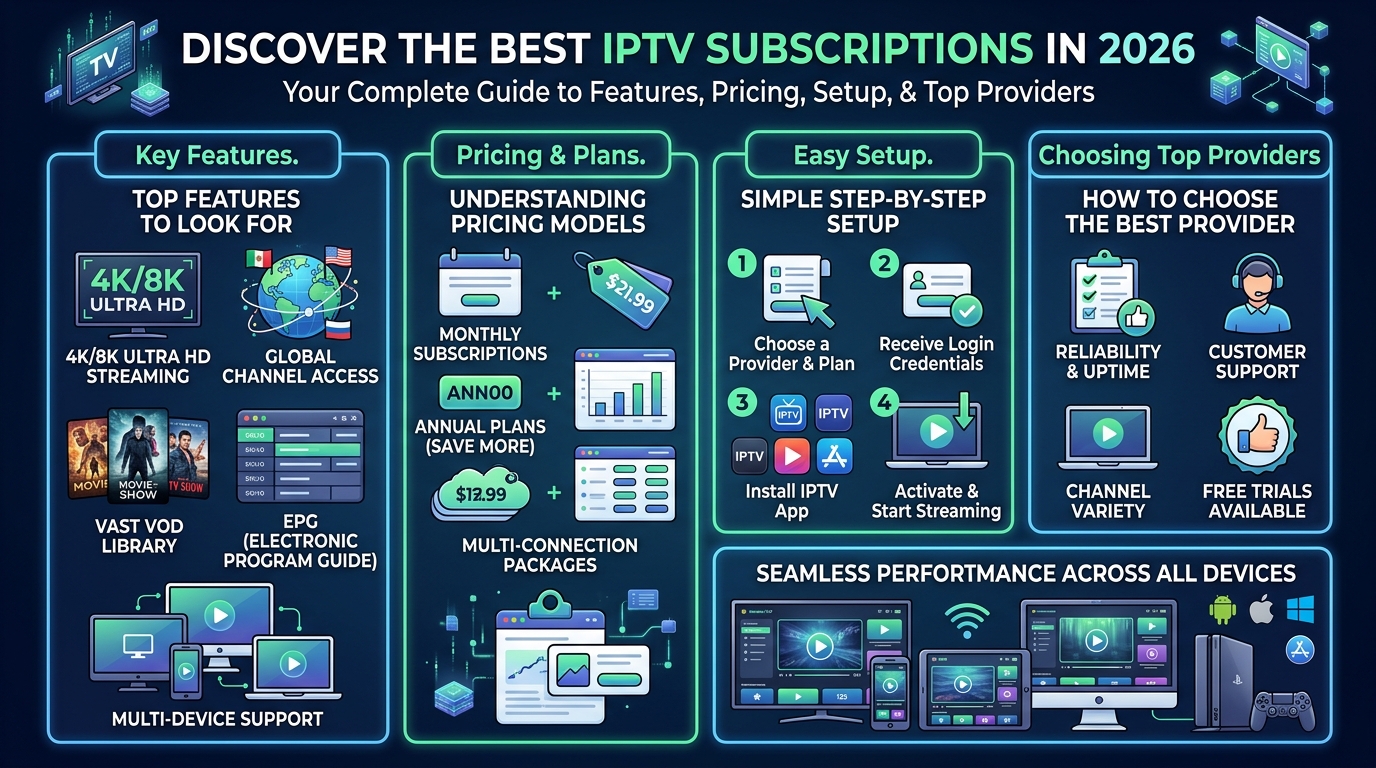
Article Outline
- H1: Reliable IPTV Subscription for USA, UK & Worldwide Channels (2026)
- H2: What Is IPTV and Why It’s Taking Over in 2026
- H3: Understanding IPTV Technology
- H3: Why Traditional Cable Is Losing Ground
- H2: Key Features of a Reliable IPTV Subscription
- H3: Channel Variety and Global Access
- H3: Streaming Quality and Stability
- H3: Device Compatibility
- H2: IPTV Subscription for USA – What You Need to Know
- H3: Popular USA Channels Available
- H3: Legal Considerations in the USA
- H2: IPTV for UK and International Viewers
- H3: Accessing UK Premium Channels
- H3: Worldwide Channel Coverage Explained
- H2: Benefits of Choosing IPTV Over Cable
- H3: Cost Comparison Table
- H3: Flexibility and On-Demand Content
- H2: How to Choose the Best IPTV Provider in 2026
- H3: Reliability and Server Uptime
- H3: Customer Support and User Experience
- H2: Common Issues with IPTV and How to Fix Them
- H3: Buffering Problems
- H3: Connection and App Issues
- H2: Best Devices for IPTV Streaming
- H3: Smart TVs and Streaming Devices
- H3: Mobile and Desktop Options
- H2: Setting Up IPTV Subscription Step-by-Step
- H3: Installation Guide
- H3: Optimization Tips
- H2: Conclusion
- H2: FAQs
- H2: What Is IPTV and Why It’s Taking Over in 2026
Reliable IPTV Subscription for USA, UK & Worldwide Channels (2026)
What Is IPTV and Why It’s Taking Over in 2026
Understanding IPTV Technology
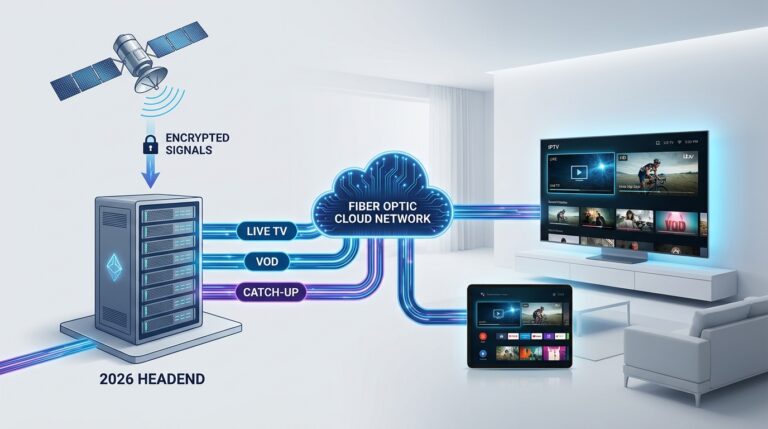
If you’ve ever wondered how people are watching thousands of channels without a bulky cable box, you’re already brushing against the idea of IPTV (Internet Protocol Television). Instead of relying on satellite signals or traditional cable infrastructure, IPTV delivers content through your internet connection. That simple shift changes everything—how you watch, what you watch, and how much you pay.
Think of IPTV like Netflix on steroids. Instead of just movies and series, you get live TV channels, sports, news, and international content streamed directly to your device. The magic lies in data packets traveling over the internet, which allows providers to deliver content almost instantly and with remarkable flexibility. You’re no longer tied to rigid schedules or limited channel bundles.
What makes IPTV especially powerful in 2026 is how far the technology has evolved. With widespread fiber internet and 5G networks, streaming high-definition and even 4K content has become seamless. Many providers now offer anti-freeze technology, adaptive streaming, and cloud-based servers to ensure smooth playback even during peak hours.
Another reason people are switching is control. You’re not just consuming content—you’re choosing it on your terms. Want to pause live TV? Rewind a match? Access a show from another country? IPTV makes that possible without jumping through hoops.
At its core, IPTV represents a shift toward user-driven entertainment, where convenience, customization, and cost-efficiency all come together. And honestly, once you experience it, going back to traditional cable feels like stepping into the past.
Why Traditional Cable Is Losing Ground
Cable TV had a good run, but let’s be real—it’s struggling to keep up. Rising subscription costs, long-term contracts, and limited flexibility have made it less appealing, especially to younger viewers who expect instant access and personalization.
One of the biggest pain points with cable is the lack of customization. You often pay for hundreds of channels you never watch just to access a handful you care about. IPTV flips that model completely, offering tailored packages or even all-in-one solutions at a fraction of the price.
Then there’s the issue of accessibility. Cable requires physical installation, hardware, and often geographical limitations. IPTV, on the other hand, works anywhere with a stable internet connection. Whether you’re in New York, London, or traveling abroad, your content travels with you.
Statistics from recent industry reports suggest that over 60% of households in developed countries are shifting toward internet-based TV services. That’s not just a trend—it’s a full-blown transformation.
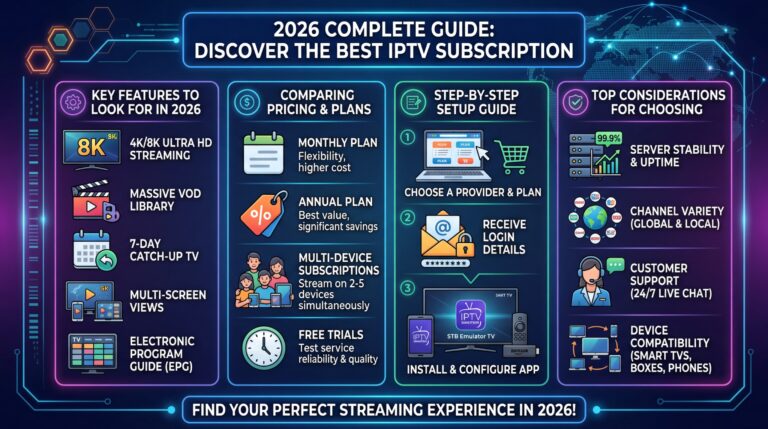
Another factor is innovation. Cable providers have been slow to adapt, while IPTV services continuously evolve. Features like Video on Demand (VOD), Catch-Up TV, multi-screen viewing, and cloud DVR have become standard in IPTV but are still limited or expensive in traditional cable setups.
In simple terms, cable feels rigid, while IPTV feels fluid. And in a world where flexibility is everything, it’s no surprise which one is winning.
Key Features of a Reliable IPTV Subscription
Channel Variety and Global Access
One of the biggest selling points of a reliable IPTV subscription for USA, UK, and worldwide channels is the sheer volume of content available. We’re not talking about a few hundred channels—we’re talking about thousands of live TV options spanning sports, movies, documentaries, kids’ programming, and international networks.
Imagine having access to ESPN, HBO, Sky Sports, BBC, CNN, and regional channels from Europe, Asia, and the Middle East—all in one place. That’s the kind of global reach IPTV brings to the table. It breaks down geographical barriers, allowing viewers to explore content from different cultures and languages effortlessly.
For expats and international viewers, this is a game-changer. You can stay connected to your home country’s media while living abroad. No more relying on unreliable streams or missing out on important broadcasts. IPTV delivers consistency and convenience.
Another important aspect is how content is organized. A good IPTV service offers well-structured categories, search functions, and electronic program guides (EPG). This ensures you’re not overwhelmed by the massive selection but instead can navigate it easily.
The diversity also extends to on-demand content. Many IPTV subscriptions include massive libraries of movies and TV series, updated regularly. It’s like having a cinema and TV network rolled into one.
At the end of the day, channel variety isn’t just about quantity—it’s about accessibility, usability, and the ability to find exactly what you want, when you want it.
Streaming Quality and Stability
When it comes to IPTV, all the channels in the world won’t mean much if the stream keeps buffering every few minutes. That’s why streaming quality and stability are the backbone of any reliable IPTV subscription, especially for users in the USA, UK, and other high-demand regions. A good IPTV provider doesn’t just promise HD or 4K—it consistently delivers it without hiccups.
Think about watching a live sports match. The last thing you want is for the stream to freeze right before a goal or a critical play. High-quality IPTV services use advanced server infrastructure, often distributed across multiple locations globally, to reduce latency and prevent overload. This is sometimes referred to as load balancing, where user demand is spread across several servers to maintain smooth playback.
Another important factor is adaptive bitrate streaming. This technology automatically adjusts the video quality based on your internet speed. So if your connection dips slightly, the stream won’t cut out—it will simply lower the resolution temporarily to keep things running. It’s a small detail, but it makes a massive difference in real-world usage.
Reliable IPTV providers also incorporate anti-freeze technology, which minimizes interruptions by preloading small portions of the stream. Combined with a stable internet connection—typically at least 15–25 Mbps for HD and 50+ Mbps for 4K—you get a viewing experience that rivals or even surpasses traditional cable.
User reviews and uptime statistics matter here. Top-tier IPTV services boast 99.9% uptime, meaning downtime is extremely rare. That kind of reliability is essential, especially if IPTV is your primary source of entertainment.
At the end of the day, streaming quality isn’t just about resolution—it’s about consistency, responsiveness, and the ability to enjoy your content without constantly troubleshooting. And when you find a provider that gets this right, it completely transforms how you experience TV.
Device Compatibility
One of the most underrated advantages of IPTV is how flexible it is across devices. You’re no longer tied to a single TV in your living room. A reliable IPTV subscription lets you watch your favorite content on almost anything with a screen and an internet connection.
Let’s start with the obvious—Smart TVs. Most modern TVs from brands like Samsung, LG, and Sony support IPTV apps or allow installation via app stores. This means you can stream directly without needing extra hardware. Then there are streaming devices like Amazon Fire Stick, Roku, Apple TV, and Android TV boxes, which are incredibly popular for IPTV due to their ease of use and affordability.
But it doesn’t stop there. IPTV works seamlessly on smartphones and tablets, both iOS and Android. Imagine watching live sports during your commute or catching up on a show while lying in bed. It’s that level of convenience that makes IPTV so appealing.
For those who prefer a larger screen or multitasking, IPTV is also accessible on desktop and laptop computers. Many providers offer web-based players or support apps like VLC and Kodi, giving users multiple ways to stream.
Here’s a quick comparison of device compatibility:
| Device Type | IPTV Support | Ease of Use | Portability |
|---|---|---|---|
| Smart TV | High | Very Easy | Low |
| Fire Stick/Roku | Very High | Easy | Medium |
| Smartphones | High | Very Easy | Very High |
| Desktop/Laptop | High | Moderate | Medium |
This level of compatibility means you’re never locked into one way of watching. You can switch devices effortlessly, pick up where you left off, and tailor your viewing experience to your lifestyle.
In a world where people expect everything on-demand and on-the-go, IPTV fits perfectly. It’s not just about watching TV—it’s about watching your TV, your way.
IPTV Subscription for USA – What You Need to Know
Popular USA Channels Available
When people search for an IPTV subscription for USA, they’re usually looking for access to familiar, high-demand channels—and IPTV delivers that in abundance. From major networks to niche content providers, a quality IPTV service covers nearly everything you’d expect from traditional cable and more.
Some of the most popular USA channels typically included are:
- Entertainment: HBO, AMC, FX, Showtime
- News: CNN, Fox News, MSNBC
- Sports: ESPN, NFL Network, NBA TV, MLB Network
- Kids & Family: Disney Channel, Nickelodeon, Cartoon Network
What makes IPTV stand out is that these channels are often available in multiple resolutions, including HD and 4K, and sometimes even with catch-up features. That means if you miss a show or game, you can go back and watch it later—something cable rarely offers without additional fees.
Another big advantage is the inclusion of pay-per-view (PPV) events, especially for sports and entertainment. Boxing matches, UFC fights, and special events are often bundled into IPTV packages, saving users significant money.
For sports fans, IPTV is particularly attractive. Instead of juggling multiple subscriptions to watch different leagues, you can access everything in one place. It’s like having a sports bar in your living room, minus the noise and overpriced snacks.
The variety doesn’t just stop at mainstream channels. Many IPTV services also include local USA channels, giving you access to regional news and broadcasts, which is especially useful if you want to stay connected to a specific city or state.
Ultimately, IPTV provides a comprehensive entertainment ecosystem, making it a strong alternative to traditional cable for viewers across the United States.
Legal Considerations in the USA
Now here’s where things get a bit nuanced. IPTV itself is completely legal—it’s simply a method of delivering television content over the internet. However, the legality depends on how the content is sourced and distributed by the provider.
Legitimate IPTV services, like those offered by recognized companies, have proper licensing agreements to distribute content. These are similar to platforms like Hulu Live, YouTube TV, or Sling TV. On the other hand, some IPTV providers operate in a gray area by offering copyrighted content without authorization.
For users in the USA, it’s important to choose a reputable IPTV provider that complies with copyright laws. This not only ensures you’re on the right side of the law but also guarantees better service quality and reliability. Unauthorized services often face shutdowns, leading to sudden loss of access.
Another aspect to consider is privacy. Many IPTV users opt to use a VPN (Virtual Private Network) to enhance security and maintain anonymity. While this isn’t mandatory, it adds an extra layer of protection, especially when accessing international content.
Regulatory bodies in the USA have been increasing efforts to crack down on illegal streaming services. According to recent reports, millions of dollars in fines and numerous service shutdowns have occurred over the past few years. This highlights the importance of making informed choices.
The key takeaway? IPTV is a powerful and legitimate technology—but like any tool, it depends on how it’s used. Stick with trusted providers, do a bit of research, and you’ll enjoy a seamless and worry-free experience.
IPTV for UK and International Viewers
Accessing UK Premium Channels
If you’ve ever tried to watch UK television from outside the country, you already know how frustrating geo-restrictions can be. That’s where a reliable IPTV subscription for UK channels completely changes the game. Instead of dealing with blocked content or limited access, IPTV opens the door to a full lineup of premium British programming—no matter where you are in the world.
We’re talking about top-tier channels like BBC One, BBC Two, ITV, Channel 4, Channel 5, and Sky Sports, all accessible in one place. For many viewers, especially expats, this isn’t just entertainment—it’s a connection to home. Whether it’s catching up on British dramas, watching Premier League matches, or staying updated with UK news, IPTV makes it seamless.
What really stands out is the consistency of access. Traditional streaming platforms often restrict content based on location, requiring workarounds like VPNs. While those can still be used with IPTV, many providers already offer global server access, reducing the need for extra steps. You simply log in and start watching.
Another huge benefit is the inclusion of catch-up TV and recording features. Missed last night’s episode of your favorite UK show? No problem—you can rewind or replay it at your convenience. This flexibility mirrors (and often surpasses) what local UK cable services offer.
There’s also a cultural richness to UK content that IPTV preserves. From documentaries and panel shows to sports and reality TV, the diversity is impressive. And because IPTV services frequently update their libraries, you’re not stuck with outdated programming.
For viewers who want a borderless entertainment experience, IPTV removes limitations and delivers UK content exactly how it should be—accessible, high-quality, and on demand.
Worldwide Channel Coverage Explained
One of the most powerful aspects of IPTV is its ability to bring the world to your screen. A global IPTV subscription isn’t just about USA and UK channels—it’s about accessing content from Europe, Asia, Africa, the Middle East, and beyond, all from a single platform.
Imagine flipping through channels from France, Germany, India, Pakistan, Canada, Australia, and the UAE without switching services or devices. It’s like having a global TV passport. This is particularly valuable for multicultural households or anyone interested in international news, sports, and entertainment.
But it’s not just about quantity—it’s about curated diversity. Many IPTV providers organize channels by country and category, making it easy to explore content without feeling overwhelmed. You can jump from a Spanish football match to a Korean drama or a Middle Eastern news broadcast in seconds.
Language accessibility is another key feature. Subtitles, multi-language audio options, and region-specific programming make IPTV inclusive and user-friendly. This is especially important for families with diverse linguistic backgrounds.
Here’s a simple breakdown of what global IPTV coverage often includes:
| Region | Content Type | Popular Channels |
|---|---|---|
| Europe | Sports, News, Entertainment | Sky, Canal+, RTL |
| Asia | Movies, Dramas, Variety Shows | Star Plus, Zee TV |
| Middle East | News, Religious, Cultural Programs | MBC, Al Jazeera |
| North America | Sports, News, Entertainment | ESPN, CNN, HBO |
This level of access turns IPTV into more than just a TV service—it becomes a global entertainment hub. Whether you’re exploring new cultures or staying connected to your roots, IPTV makes it effortless.
Benefits of Choosing IPTV Over Cable
Cost Comparison Table
Let’s talk numbers, because this is where IPTV really grabs attention. Traditional cable subscriptions in the USA and UK can easily run between $80 to $150 per month, depending on the package. Add premium channels, sports packages, and equipment rentals, and the cost climbs even higher.
Now compare that to IPTV. Most reliable IPTV subscriptions range from $10 to $25 per month, often including thousands of channels, VOD libraries, and premium content. That’s a massive difference—not just in price, but in value.
Here’s a clear comparison:
| Feature | IPTV Subscription | Traditional Cable |
|---|---|---|
| Monthly Cost | $10 – $25 | $80 – $150+ |
| Channel Count | 5,000+ | 200 – 500 |
| On-Demand Content | Included | Limited / Extra Cost |
| Contract Required | No | Yes |
| Device Flexibility | High | Low |
The savings aren’t just financial—they’re psychological. You’re no longer locked into long-term contracts or hidden fees. You pay for what you use, and you can cancel anytime.
For families, this can translate into hundreds or even thousands of dollars saved annually. And with inflation and rising living costs, that kind of efficiency matters more than ever.
IPTV doesn’t just compete with cable—it redefines the value equation, offering more content, more flexibility, and significantly lower costs.
Flexibility and On-Demand Content
If cable TV feels like a rigid schedule you have to follow, IPTV feels like a library that waits for you. That’s the fundamental shift—you’re in control, not the broadcaster.
With IPTV, you get access to massive Video on Demand (VOD) libraries filled with movies, TV series, documentaries, and even exclusive content. Want to binge-watch a series over the weekend? Go ahead. Prefer to watch a movie at 2 AM? It’s there waiting.
Live TV is still part of the experience, but it’s enhanced with features like pause, rewind, and catch-up TV. This means you’re not tied to a fixed schedule. Missed a live broadcast? Just rewind or replay it later.
Another layer of flexibility comes from multi-device support. Start watching on your TV, continue on your phone, and finish on your laptop. It’s a seamless transition that fits modern lifestyles perfectly.
There’s also the benefit of customization. Many IPTV services allow you to create favorite channel lists, set reminders, and personalize your viewing experience. It’s like having your own curated TV network.
For busy individuals and families, this flexibility is invaluable. Life doesn’t revolve around TV schedules anymore—and with IPTV, it doesn’t have to.
How to Choose the Best IPTV Provider in 2026
Reliability and Server Uptime
Choosing an IPTV provider isn’t just about picking the cheapest option or the one with the most channels. If the service isn’t reliable, everything else becomes irrelevant pretty quickly. That’s why server uptime and overall reliability should be at the top of your checklist when selecting an IPTV subscription in 2026.
Think of IPTV servers as the engine behind your entire viewing experience. If that engine stutters, overheats, or crashes, your stream suffers. The best IPTV providers invest heavily in high-performance servers, often spread across multiple geographic regions. This setup reduces lag and ensures that users from the USA, UK, and other parts of the world experience smooth, uninterrupted streaming.
A key metric to look for is uptime percentage. Premium providers typically offer 99.9% uptime, meaning downtime is almost nonexistent. While that might sound like a small detail, it makes a huge difference during live events like sports or breaking news, where even a few seconds of interruption can ruin the experience.
Another factor is bandwidth capacity. Reliable providers maintain strong bandwidth to handle thousands of users simultaneously without slowing down. This is especially important during peak hours when demand spikes. Ever noticed how some streams work perfectly during the day but buffer endlessly at night? That’s usually a bandwidth issue.
User reviews and trial periods can give you real insight into reliability. Many reputable IPTV services offer 24–48 hour trials, allowing you to test performance before committing. Take advantage of that—it’s like test-driving a car before buying it.
At the end of the day, a reliable IPTV provider feels invisible. You don’t think about servers or uptime—you just press play, and everything works. That’s exactly how it should be.
Customer Support and User Experience
Let’s be honest—no technology is perfect. Even the best IPTV services can run into occasional hiccups. When that happens, customer support becomes your safety net, and it can make or break your overall experience.
A strong IPTV provider offers 24/7 customer support, typically through live chat, email, or even messaging apps like WhatsApp or Telegram. The speed and quality of responses matter. You don’t want to wait hours—or worse, days—for a solution when your service isn’t working.
But support isn’t just about fixing problems—it’s also about guidance and onboarding. Good providers offer clear setup instructions, tutorials, and FAQs that help you get started بسهولة (yes, some even cater to multilingual audiences). This reduces frustration and makes the entire process smoother, especially for beginners.
User experience goes beyond support. It includes the interface design, navigation, and overall usability of the IPTV app or platform. A clean, intuitive interface makes it easy to browse channels, search for content, and manage settings. On the flip side, a cluttered or confusing layout can turn even the best content into a headache.
Another underrated aspect is the Electronic Program Guide (EPG). A well-designed EPG shows what’s currently playing and what’s coming up next, just like traditional TV guides—but often more detailed and interactive.
In a competitive market, providers that prioritize user experience stand out. They understand that it’s not just about delivering content—it’s about making that content easy and enjoyable to access.
Common Issues with IPTV and How to Fix Them
Buffering Problems
Buffering is probably the most common complaint among IPTV users—and understandably so. There’s nothing more frustrating than a stream that keeps pausing every few seconds. But here’s the thing: buffering isn’t always the provider’s fault. It’s often a combination of factors, and the good news is that many of them are fixable.
First, check your internet speed. For smooth IPTV streaming, you generally need:
- 15–25 Mbps for HD content
- 50+ Mbps for 4K streaming
If your speed falls below these thresholds, buffering is almost inevitable. Running a quick speed test can help you identify if this is the issue.
Another common culprit is Wi-Fi instability. While wireless connections are convenient, they’re not always reliable. Switching to a wired Ethernet connection can significantly improve stability and reduce buffering.
Server load can also play a role. If too many users are connected to the same server, performance may drop. This is why choosing a provider with multiple server options is crucial—you can switch servers if one becomes overloaded.
Sometimes, the issue lies in the app or device. Clearing cache, updating the app, or restarting your device can work wonders. It’s simple, but surprisingly effective.
Buffering might feel like a dealbreaker, but in most cases, it’s a solvable problem. With the right setup and a reliable provider, you can enjoy smooth, uninterrupted streaming.
Connection and App Issues
Beyond buffering, users occasionally face issues related to app crashes, login errors, or connection failures. While these can be annoying, they’re usually easy to troubleshoot if you know where to look.
Start with the basics—double-check your login credentials. It sounds obvious, but incorrect usernames or expired subscriptions are common causes of access problems. If everything looks correct, try logging out and back in again.
App compatibility is another factor. Not all IPTV apps work perfectly on every device. Make sure you’re using a recommended or officially supported app, such as IPTV Smarters, TiviMate, or a provider-specific application.
If the app keeps crashing, it might be due to outdated software. Updating both the app and your device’s operating system can resolve many issues. If that doesn’t work, reinstalling the app is often the next step.
Network restrictions can also interfere with IPTV connections. Some internet service providers (ISPs) throttle or block certain types of traffic. In such cases, using a VPN can help bypass these restrictions and restore access.
Here’s a quick troubleshooting checklist:
- Restart your device and router
- Update or reinstall the IPTV app
- Check subscription status
- Switch servers if available
- Use a VPN if needed
Most issues have straightforward solutions. The key is to approach them methodically rather than assuming the service is broken.
Best Devices for IPTV Streaming
Smart TVs and Streaming Devices
When it comes to enjoying IPTV at its best, your choice of device plays a bigger role than you might think. While IPTV can run on almost anything, certain devices are specifically optimized to deliver a smoother, more immersive experience.
Smart TVs are the most straightforward option. Modern TVs come with built-in app stores, allowing you to install IPTV apps directly. This eliminates the need for extra hardware and keeps your setup clean and simple. Brands like Samsung and LG are particularly popular for IPTV due to their user-friendly interfaces.
Then there are streaming devices, which are arguably the most popular choice among IPTV users. Devices like the Amazon Fire Stick, Roku, and Apple TV offer excellent performance, portability, and ease of use. The Fire Stick, in particular, has become a favorite because of its affordability and compatibility with a wide range of IPTV apps.
Android TV boxes are another strong contender. They provide more flexibility and customization options, making them ideal for advanced users who want greater control over their setup.
The key advantage of these devices is their ability to handle high-resolution streaming with minimal lag. They’re designed for media consumption, which means better performance compared to general-purpose devices.
Choosing the right device is like choosing the right screen for a movie—it doesn’t change the content, but it definitely enhances the experience.
Mobile and Desktop Options
Not everyone wants to be tied to a TV screen, and that’s where mobile and desktop IPTV options shine. These platforms offer unmatched convenience, allowing you to watch your favorite content wherever you are.
Smartphones and tablets are perfect for on-the-go viewing. Whether you’re commuting, traveling, or just relaxing in bed, you can access your IPTV subscription with just a few taps. Most IPTV apps are optimized for mobile use, offering intuitive navigation and responsive design.
Desktops and laptops, on the other hand, provide a more traditional viewing experience with added flexibility. You can multitask, switch between tabs, or even connect your computer to a larger screen for a better viewing setup.
One of the biggest advantages of these options is portability. Your entire entertainment library fits in your pocket or backpack. No cables, no installations—just log in and start watching.
They also serve as great backup options. If your main device isn’t available or runs into issues, you can quickly switch to another without missing a beat.
In today’s fast-paced world, flexibility is everything. And with IPTV, your content isn’t tied to a place—it moves with you.
Conclusion
The rise of IPTV subscriptions for USA, UK, and worldwide channels in 2026 isn’t just a trend—it’s a reflection of how people want to consume content today. Flexible, affordable, and packed with features, IPTV has redefined what it means to watch television. From thousands of global channels to on-demand libraries and multi-device compatibility, it offers a level of control that traditional cable simply can’t match.
At the same time, choosing the right provider is critical. Reliability, streaming quality, and customer support all play a role in shaping your experience. When done right, IPTV doesn’t just replace cable—it improves on it in almost every way.
FAQs
1. What internet speed do I need for IPTV in the USA?
For smooth streaming, you’ll need at least 15–25 Mbps for HD and 50 Mbps or higher for 4K content. A stable connection is just as important as speed.
2. Is IPTV legal in the USA and UK?
Yes, IPTV is legal as long as the provider has proper licensing agreements. Always choose reputable services to stay compliant.
3. Can I use IPTV on multiple devices?
Most IPTV subscriptions support multiple devices, but the number of simultaneous connections depends on your plan.
4. Do I need a VPN for IPTV?
A VPN isn’t required, but it can improve privacy and help bypass network restrictions or throttling.
5. What is the best device for IPTV streaming?
Popular choices include Amazon Fire Stick, Smart TVs, and Android TV boxes due to their performance and compatibility.